
For many travellers, exploring forests, mountains and tropical landscapes offers unforgettable experiences. However, some of the world’s most beautiful destinations are also home to highly venomous snakes. While the chances of being bitten remain low for tourists who follow safety guidelines, certain regions report significantly higher numbers of snakebite cases each year due to their climate, wildlife and large rural populations.The World Health Organisation classifies snakebite envenoming as a Neglected tropical diseases (NTDs). By its estimates, somewhere between 1.8 and 2.7 million people worldwide are bitten by venomous snakes every year, a toll that translates into tens of thousands of deaths and countless cases of lasting disability. The vast majority of those affected are locals working in agriculture or spending long hours outdoors, but travellers heading into remote or rural terrain shouldn’t assume they’re exempt from the risk.
South Asia remains the world’s snakebite capital
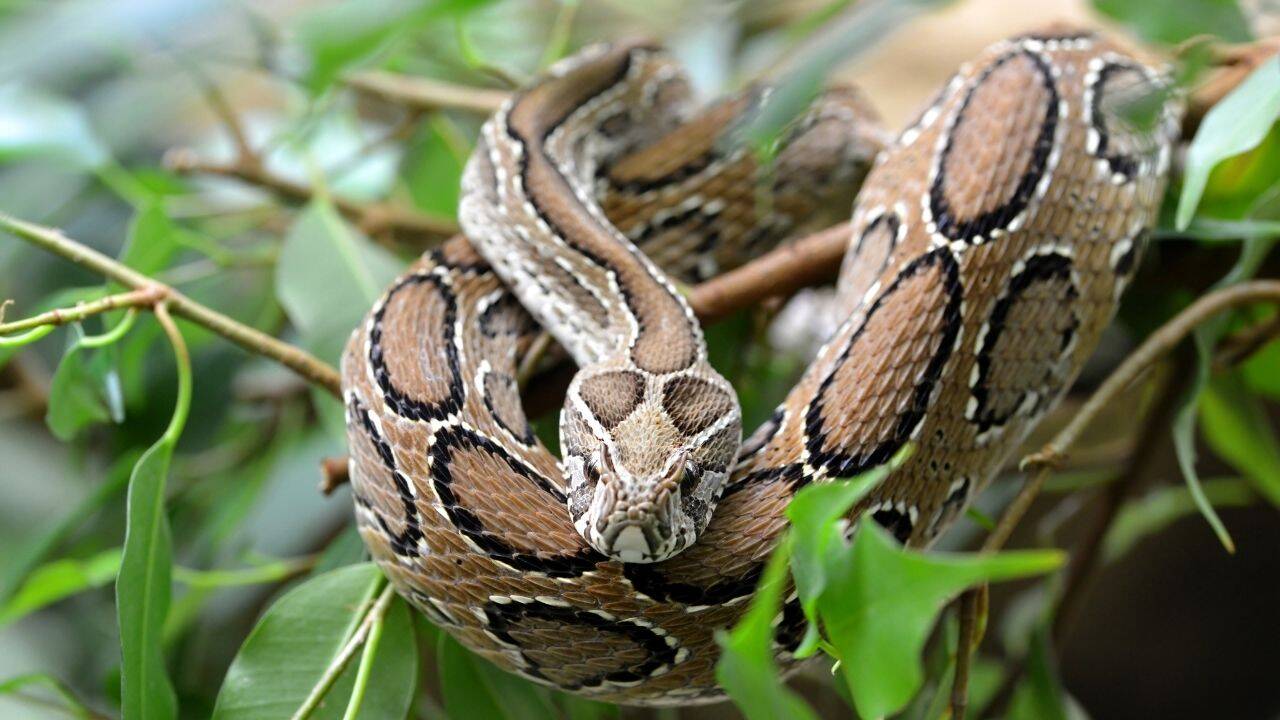
Russell’s viper (Image Credit: Canva)
No region on earth logs more snakebite fatalities than South Asia, and India alone accounts for a disproportionate share of them. The combination of a hot climate, sprawling farmland and an unusually diverse snake population makes human-snake encounters almost inevitable in many parts of the country.Four species in particular are responsible for the bulk of serious, medically significant bites: the Indian cobra, the common krait, Russell’s viper and the saw-scaled viper. Together they’ve earned the nickname India’s “Big Four” for their outsized role in envenoming cases nationwide.The problem isn’t confined to India, though. Bangladesh, Nepal, Pakistan and Sri Lanka all report considerable snakebite numbers of their own, with cases spiking during monsoon season, when floodwaters and heightened farming activity push people and snakes into closer contact.Anyone planning to hike, camp or explore rural areas in this part of the world would do well to wear sturdy, closed footwear, stick to marked trails, carry a flashlight for after dark, and steer clear of tall grass or blind reaches into holes and rock crevices.
Tropical regions of Africa and Southeast Asia face major risks
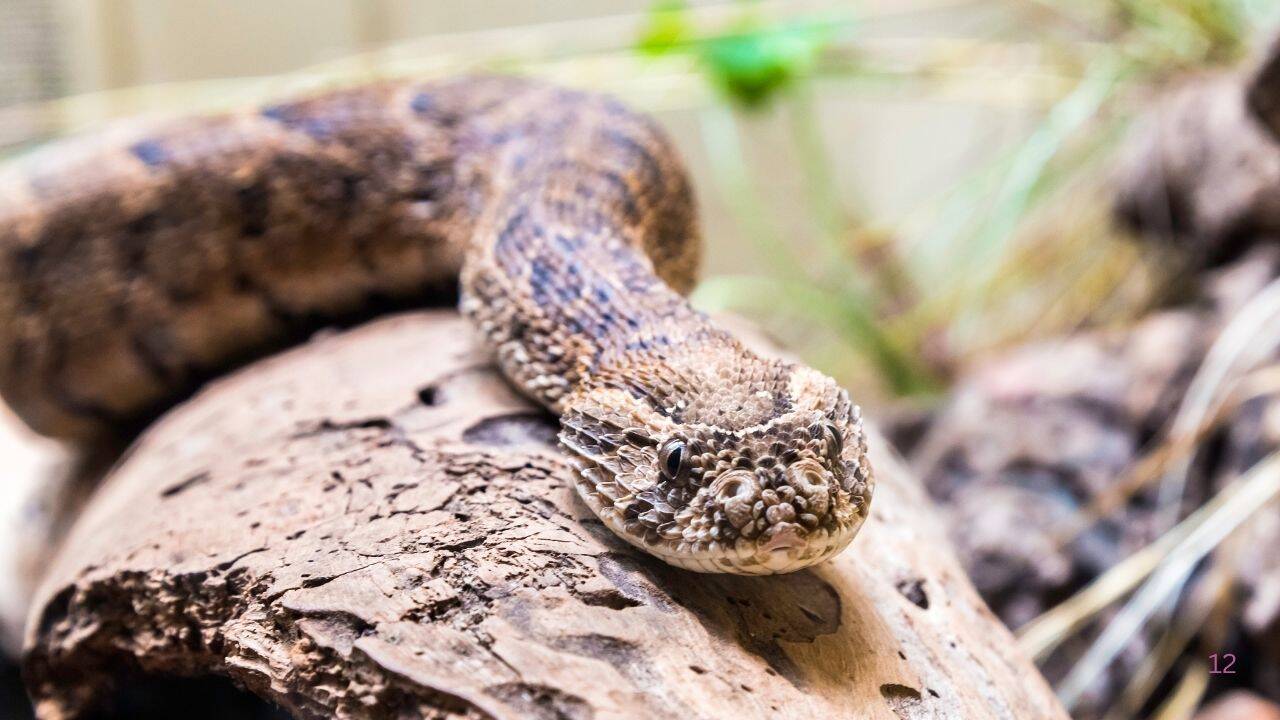
Puff adder (Image Credit: Canva)
Sub-Saharan Africa ranks among the world’s other major hotspots. Many rural communities are situated right on the edge of snake habitat, and in some areas, timely access to emergency care and antivenom simply isn’t guaranteed. The continent’s most notorious species include the black mamba, puff adder, boomslang and various cobra species. Interestingly, while the black mamba tends to grab headlines for its speed and potent venom, it’s actually the puff adder that causes more bites overall – it relies on blending into its surroundings and often stays motionless rather than fleeing when people get close.Southeast Asia carries its own significant burden. Thailand, Myanmar, Indonesia, Malaysia and Vietnam all host large populations of venomous species, from pit vipers to king cobras to kraits, aided by dense rainforest, expansive rice paddies and plantation land that all make excellent snake habitat.A large share of bites in this region happen simply because someone accidentally stepped on a snake or disturbed one while working in the fields or walking through dense vegetation. Anyone visiting national parks or remote islands here should heed local guidance, stay on marked paths and resist the urge to handle any wildlife they come across. Australia is also worth flagging, even though its snakebite death toll is comparatively low. The country happens to host some of the most venomous snakes on the planet – the inland taipan, eastern brown snake and tiger snake among them, but a combination of strong public awareness campaigns, fast emergency response systems and broad antivenom availability keeps fatalities rare.
How travellers can reduce their risk
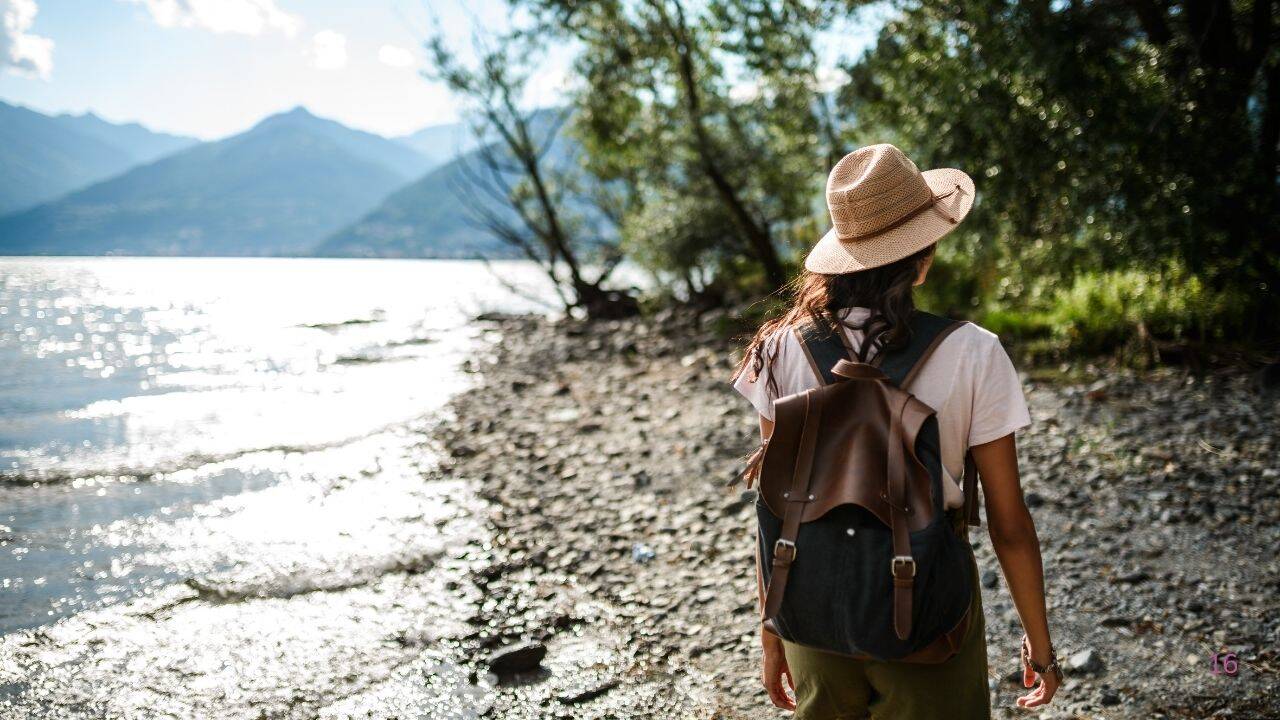
Image Credit: Canva
Despite how alarming snakebite headlines can sound, experts are quick to point out that most bites are entirely preventable. Snakes generally want nothing to do with humans and only strike when they feel cornered or threatened.A handful of simple habits go a long way toward staying safe: closed-toe shoes and long pants on hikes, never walking barefoot outdoors, sticking to established paths, and staying conscious of exactly where your hands and feet land.It’s also worth resisting the temptation to get close to a snake for a photo or a better look. Provoking or attempting to handle one, even for seasoned wildlife experts, carries real risk, since a threatened snake will defend itself regardless of who’s approaching.Should a bite happen anyway, getting medical help immediately is critical. The person bitten should try to stay calm and limit movement, since this helps slow how quickly venom spreads through the body. Older remedies like applying a tight tourniquet, cutting into the wound or trying to suck out the venom are now discouraged – they tend to cause more harm than good without actually improving the outcome. Before heading to any remote region known for venomous snakes, it’s wise to research the nearest hospitals or clinics in advance and look into travel insurance that covers emergency evacuation.None of this should put travellers off visiting these destinations. With a solid understanding of local wildlife, respect for natural habitats and a few sensible precautions, it’s entirely possible to enjoy these remarkable places while keeping the odds of a dangerous encounter as low as possible.