


Keeping the kitchen clean does not always require a shelf full of specialised cleaners. A small piece of tamarind in the pantry can also become a useful cleaning aid for certain everyday kitchen messes. Tamarind contains natural acids that can help loosen stubborn stains, food residue, and tarnish from some surfaces. Its slightly coarse pulp can also provide gentle scrubbing action when rubbed over dirty areas. From dull metal utensils to stained vessels and sticky kitchen surfaces, tamarind can be used in several simple ways with ingredients already available at home. The key is to use it on suitable surfaces and rinse everything well afterwards. It is especially useful when you want to tackle small cleaning surfaces without reaching for strong chemical cleaners. Here are some practical ways to use tamarind around the kitchen, along with surfaces where it is better to avoid using it.
5 ways tamarind can clean your kitchen beyond chutneys and curries
1. Remove stains from stainless steel utensils
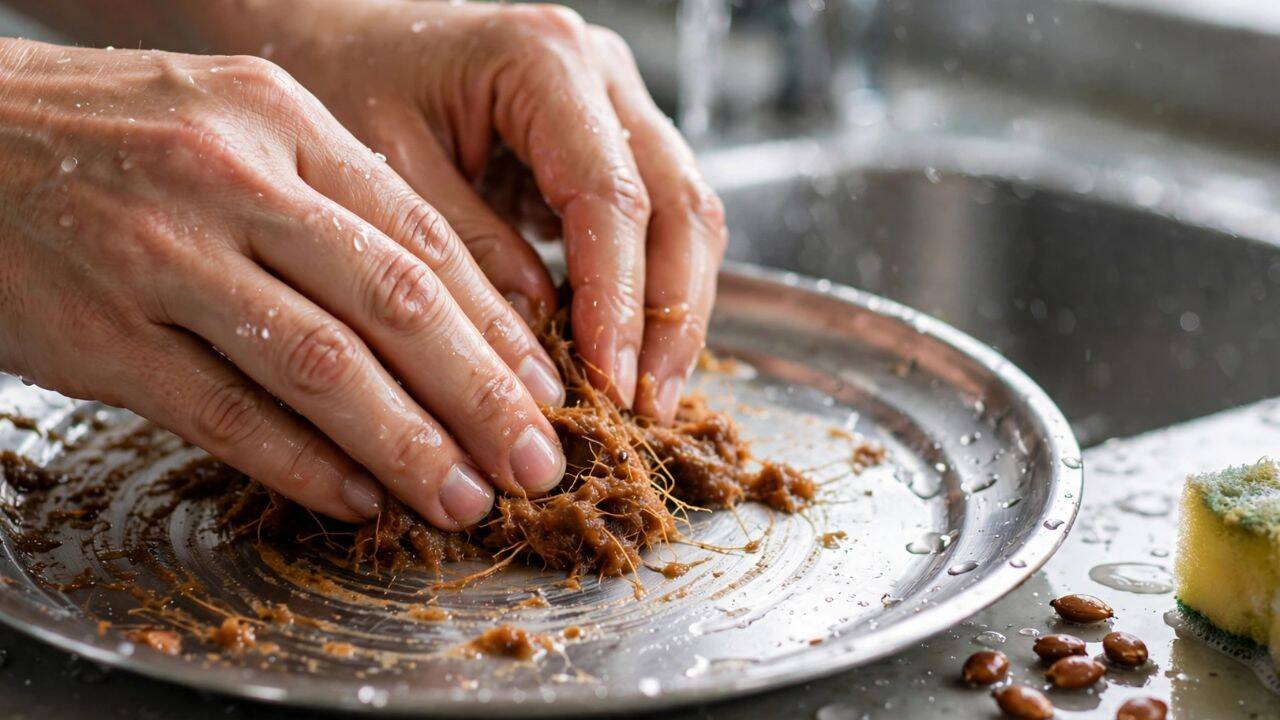
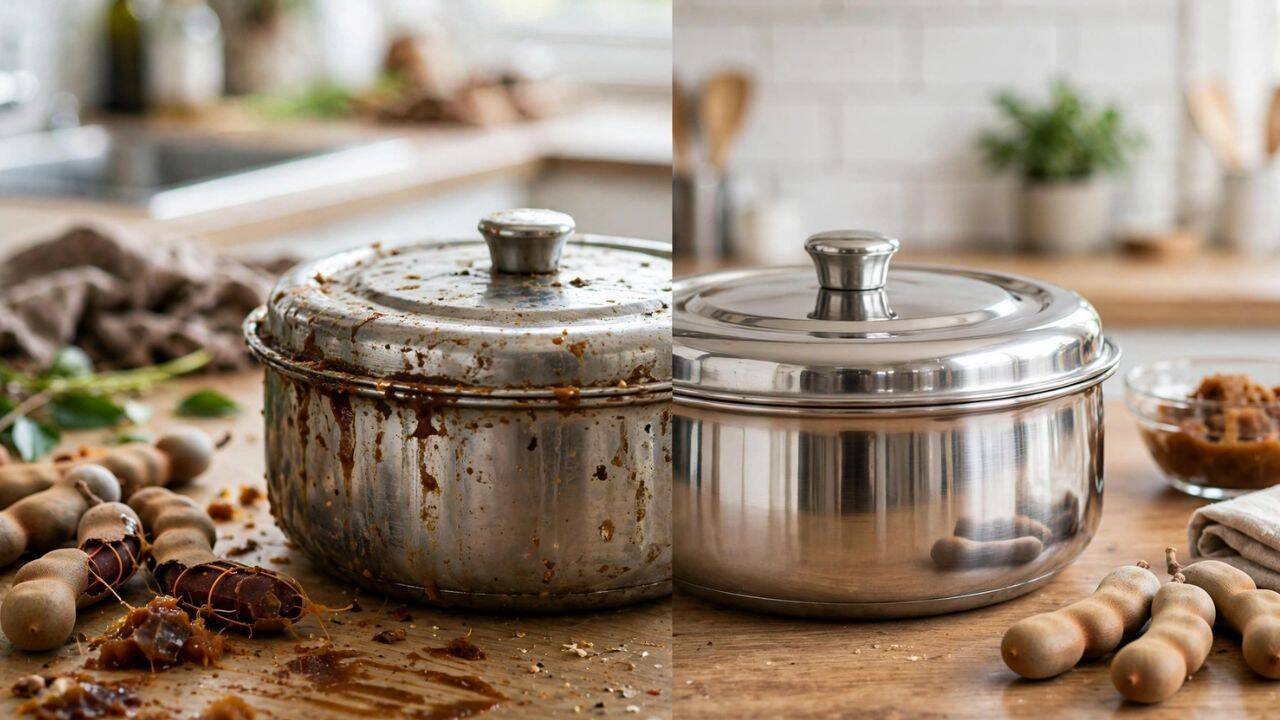
Take a small piece of tamarind and remove the seeds and fibres. Add a few drops of water and rub the pulp directly over stains or dull patches on stainless steel utensils. Leave it for a few minutes before scrubbing gently with a soft sponge. Rinse thoroughly with clean water and dry the utensil. This can help with food stains and marks left after cooking.
PC: AI Generated
2. Clean darkened copper utensils
Tamarind can be useful for cleaning copper that has become dull or dark. Mix tamarind pulp with a little water to make a thick paste. Apply it over the tarnished area and gently rub with a soft cloth or sponge. Leave it briefly before rinsing well. Wipe the utensil completely dry to prevent water spots.
3. Brighten brass kitchenware
For brass bowls, containers, or decorative kitchen pieces, make a paste using tamarind pulp and a little water. Spread a thin layer over the dull areas and rub gently. Avoid aggressive scrubbing because it can leave scratches. Rinse the brass thoroughly and dry it with a clean cloth.
4. Loosen dried food on vessels
Dried food stuck to the bottom of a vessel can be difficult to remove without repeated scrubbing. Apply tamarind pulp over the residue and leave it for several minutes. Add a little warm water and scrub with a non-abrasive sponge. Repeat if needed rather than using excessive force.
5. Clean stained kitchen containers
Tamarind can also help tackle stubborn food marks inside some metal containers. Rub a little tamarind pulp over the stained area and leave it for a few minutes. Scrub gently with a sponge before washing the container with dish soap and water. Rinse thoroughly so no tamarind residue remains.
PC: AI Generated
Important things to remember before cleaning with tamarind
Do not use it on delicate stone surfaces
Avoid applying tamarind to marble, limestone, and other acid-sensitive natural stone surfaces. Its acidity may damage or dull the finish. For these surfaces, use a cleaner recommended specifically for the material.
Always test a hidden area
Before cleaning a new utensil or surface, test a small hidden section first. This is particularly important for coated, polished or decorative items. Stop using tamarind if the surface changes colour or loses its finish.
Do not leave the pulp on for too long
Tamarind is acidic, so there is no benefit in leaving it on a surface for a long period. Apply it, rub gently and rinse thoroughly. This is especially important when cleaning metal objects with a polished finish.
Avoid rough scrubbing
The aim is to loosen the dirt, not to scratch the surface. Use a soft sponge, cloth or suitable non-abrasive scrubber. Avoid steel wool and harsh scouring pads on polished metal and coated utensils.