
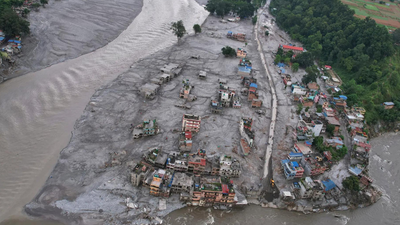
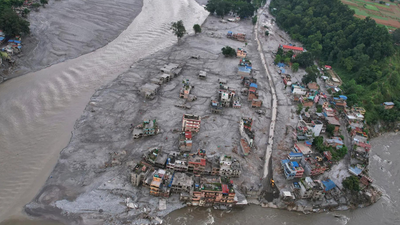
TRISHULI BAZAAR: A disaster-linked service economy has sprung up across Trishuli Bazaar, Bidur and Dhunche after the Aug 26 flash floods, as journalists from across the world, aid workers, engineers, insurance and loss assessors and families searching for missing relatives crowded the broken Bhote Koshi-Trishuli corridor, filling available rooms and sharply driving up the cost of transport, shelter and local “assistance”.Hoteliers in Trishuli Bazaar and settlements further north told TOI they had received more guests in the past week than they had seen in the previous four to five years. Hotels, guesthouses and homestays on higher and relatively safer ground filled first, with several operators saying rooms were booked soon after international teams began arriving.As regular accommodation ran out, demand spilled into lower-lying areas where residents still feared another flood. Some visitors paid premium rates even to stay in partially damaged houses, while others took whatever space was available despite concerns over the river and further rain. “People are paying premium rates to sleep on the floor in the lower bazaar, even with the river still running dangerously high,” a guesthouse owner in Bidur said on condition of anonymity.The squeeze has extended to transport. With bridges washed away and roads badly damaged, movement through several stretches is now restricted to jeeps and 4×4 vehicles capable of negotiating mud, broken roads, steep approaches and risky detours.Residents said “businessmen” are not differentiating between families looking for loved ones who are missing and those who have trooped in for work. “A jeep driver asked for a month’s wages just for a ride across a damaged ridge,” said a local man in Trishuli Bazaar who was searching for his sister. “The outsiders take all the vehicles because they have the budget. We are left walking in the mud.”Demand also surged for bilingual translators, guides and fixers familiar with the terrain, villages and local administration. They help visiting teams locate relief camps, arrange vehicles and passes, secure village access, establish contacts and organise and translate interviews.Local guides and fixers said that international media organisations were paying as much as $150 a day for people who could navigate difficult access routes. “A foreign network paid me over $100 just to get them past the blockades and translate interviews at a shelter,” a fixer in Dhunche said. “I am making more in a day than I usually make in a month, but the result is that many local people are left out in the cold.”