
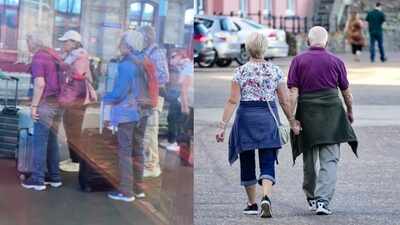
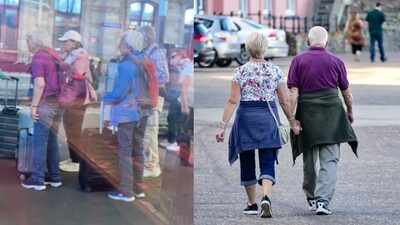
A recent video has gone viral online, all because one Indian woman noticed something striking while traveling in Europe: Everywhere she went, she saw older people, folks in their seventies or eighties, moving around independently, handling their own luggage, and walking long stretches without breaking a sweat. This sight made her pause and rethink what it means to age well, especially when she compared it to how she saw older people live and move back in India.
What happened?
The woman posted her thoughts and a photo on X, where she goes by @Kavitastocks, saying how often she would see these energetic seniors walking everywhere, alone or together, carrying their bags and looking, in her words, “incredibly fit.”“These are the ‘old people’ I keep seeing while travelling in Europe, and many of them are well over 70 or even 80, travelling alone, carrying their own suitcases, walking everywhere, and looking incredibly fit,” she wrote, adding, “It honestly makes me wonder: there is something terribly wrong with Indian lifestyle when it comes to our diet, and physical activity?”
How the internet reacted
That one post set off a wave of online discussion. People didn’t just talk about exercise and food; they brought up everything from city infrastructure and income levels to healthcare and the sheer luck of being healthy enough to travel at all. Some felt that Indians really do need to move more, while others pointed out that you can’t judge an entire population based on who you spot at tourist destinations. After all, the older travelers she saw in Europe represented people healthy and wealthy enough to be traveling, not everyone.One user wrote, “Madam fitness and sedentary lifestyle is not a country symbol.. it’s a generational practice we inculcated in the minds of young.. unfortunately most of the population of Indians are what you think is. They are still in the dark web of “hum se nahi hoga.””Another commented, “This is a cultural difference as well. Walking in Europe is much more preferred compared to travel by car and people are used to this since they are young. In India, the weather conditions, road conditions are not much that promote walking. Dont think this is a fair comparison.”A third user mentioned, “They eat protein, fiber rich food with every meal. Most Indians have carbs heavy meals because that’s the only thing they can afford. There is also inequality in how much each spouse can eat in a household.”But the real question behind all this is pretty simple: What actually helps people stay independent and active as they get older? Because “fitness” isn’t just about looking good in old age; it’s about being able to take care of yourself, walk to the store, navigate an airport, or travel to new places without help.
Beyond the competition of aging
But the real point here isn’t just some competition between Europeans and Indians. It’s about what being fit means for everyday life. Is it about the number of years you live, or about being able to truly enjoy those years? Research backs this up. The US National Institute on Aging and the World Health Organization both say that when older folks stay physically active, it helps them keep their independence. They’re less likely to fall, their bones stay stronger, and little things like getting out of a chair or carrying groceries aren’t as daunting. That’s what experts call “functional fitness”: you use your strength and flexibility to get through daily life, not just to break a record at the gym.A lot of people commented online that maybe Europeans simply walk more in their daily lives, and that adds up. Physical activity isn’t just gym memberships or organized sports. It’s walking to the corner shop, gardening, doing chores, or even using the stairs instead of the elevator. The WHO recommends 150–300 minutes of moderate aerobic activity every week for older adults, plus muscle-strengthening exercises a couple of days a week. That doesn’t have to mean paying for a fitness class; just moving more in daily life makes a big difference.Diet plays its part too. The original post questioned whether what’s on our plates influences how easily we move as we age. But you can’t look at a photo and say, “Aha! European food is obviously better!” Indian food can be, and often is, packed with healthy ingredients: lentils, vegetables, grains, and spices. The real challenge is how much processed, sugary, or fatty food people eat, which is a problem in cities everywhere, not just India. It also depends on how active someone is. After all, a healthy diet and movement go hand in hand.Of course, there’s a limit to what you can learn from watching older travelers zip through a foreign airport. The people we see walking energetically with their suitcases aren’t a cross-section of everyone their age. Less healthy or less wealthy older adults may not be traveling at all. Plus, things like public transport, walkable cities, and even the weather can make it easier or harder for people to stay active.Still, the point is worth thinking about. In India, as in other parts of the world, not enough adults meet recommended physical-activity guidelines, and that raises the risk of all kinds of non-communicable diseases. Exercise isn’t just about preventing heart disease or diabetes. It’s about keeping the basics: standing up, balancing, carrying things, and being able to go where you want without help.