
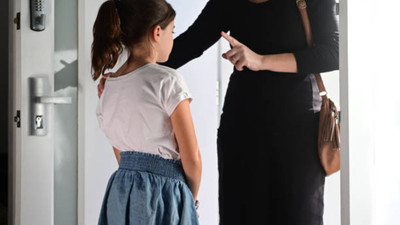
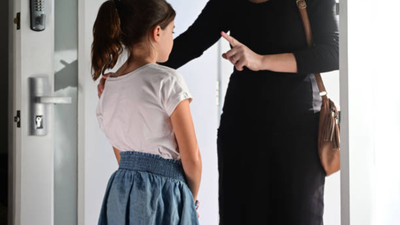
Picture a busy kitchen on a weekday morning. One child packs their bag without a word, eyes down, moving like a quiet little machine. Another asks why the blue shirt is better than the red one today, then decides for themselves and heads out with a skip. Both look “good” on the surface. But one is easy, one is alive. That quiet difference sits at the heart of how we raise kids, whether we aim for obedience or for confidence.Parents everywhere feel the pull. We want kids who listen, who stay safe, who don’t push every boundary. Yet more and more voices, from living rooms to research labs, are asking a harder question: what kind of adult grows from a childhood built mainly on “because I said so”?
28 Jul 2026 | 16:22
How do you teach children about money and financial responsibility?
What drives them day to day
Obedient children often move because someone else is watching. They finish homework to avoid a scolding. They share toys so the grown-up stays happy. The fuel is outside their approval or the fear of losing it. Over time that can leave a child scanning the room for clues about how to act, rather than checking in with themselves.Confident children learn a different engine. They try things because the attempt itself feels worthwhile. They speak up because their voice has already been welcomed at home. The drive comes from inside. Parents who raise this way still set clear limits, but they explain the “why” and leave room for the child’s own sense of right and wrong to grow.Research on parenting styles going back to psychologist Diana Baumrind has shown this pattern for decades: warmth mixed with firm expectations builds children who regulate themselves rather than simply following orders.
How they handle choices and mistakes
When every decision is handed down from above, a child can grow skilled at compliance but shaky at choosing. Faced with a new situation with no parent in sight they may freeze or look for the nearest adult to tell them what to do. Mistakes feel dangerous because they once brought sharp corrections. So the safer path is to stay small and careful.A confident child has practiced deciding within safe boundaries. They pick their clothes, solve a playground squabble, or try a new food and discover they dislike it. When they stumble, the conversation at home is more “What can we learn?” than “You should have known better.” That practice builds a quiet belief: I can figure things out. Studies tracking authoritative homes; homes that balance warmth and clear standards, find these children later show stronger problem-solving and higher self-esteem.
The shape of their relationships
Obedience can look like respect, but it sometimes masks fear. A child who never disagrees may also never learn how to disagree kindly. Later they might struggle to say no to friends, or they might swing the other way and push back hard against any authority. The relationship with parents can stay polite yet distant; the child never quite trusts that love remains when they push or question.Confidence grows in relationships that feel two-way. Parents listen, explain, and still hold the line. The child learns that their feelings matter even when the answer is still no. That experience carries outward. These kids tend to form friendships based on mutual respect rather than people-pleasing, and they are better at standing up to peer pressure because they have already practiced speaking their mind at home.
What the years ahead look like
Children raised mainly for obedience often arrive at adulthood skilled at following rules yet unsure how to set their own. Some become high achievers who quietly burn out trying to meet every external standard.Others carry anxiety or low self-worth that traces back to years of measuring themselves by how well they pleased the adults in charge. UNICEF and other child-development groups have pointed out that strict, fear-based approaches can raise the risk of these struggles.Confident children leave home with a different toolkit. For instance, they know how to listen, how to decide, and how to recover from getting it wrong. They still respect rules, they simply understand the purpose behind them. The result is usually greater resilience, healthier relationships, and a steadier sense of who they are when no one is telling them what to do.None of this means rules disappear or that parents stop being in charge. It means the goal shifts from producing quiet compliance to raising a person who can think, feel, and choose with growing skill. The kitchen still gets busy. The bag still gets packed. But the child packing it is learning something deeper than how to follow instructions. They are learning they can trust themselves.