
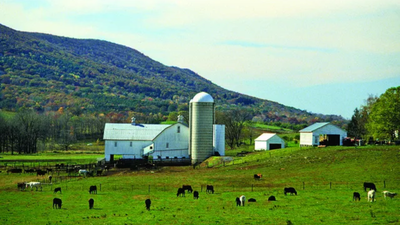
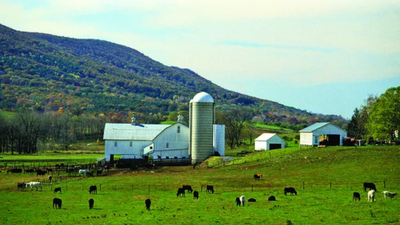
A Pennsylvania appeals court has upheld an order blocking the sale of a 60-acre family farm. The ruling stops a deal that would have allowed one sister living on the property to sell the land for $250,000 while continuing to live there under a 99-year lease. The Pennsylvania Superior Court upheld an injunction issued by a lower court at the request of the property’s co-owners. The legal dispute shows how informal living arrangements involving family property can fall apart when one relative tries to sell the land without the agreement of other heirs. The case involves a rural 60-acre property in western Pennsylvania that has been in the family for generations. According to court records, one sister had lived in a house on the property for 22 years without interruption. She maintained the residential area and treated the farm as her long-term home.
The proposed property transaction
Tensions grew when the sister living on the property reached an agreement to sell the entire 60-acre farm to an outside buyer for $250,000. Under the proposed deal, the buyer also agreed to give her a 99-year lease at a nominal rent. This would allow her to continue living on the land for the rest of her life while receiving money from the sale of the property. After learning about the planned sale, her siblings filed an emergency petition in the local Court of Common Pleas. They asked the court to issue an injunction to stop the transaction. They argued that the farm had been passed down through the family and that the resident sister owned only an undivided share of the property. They said she did not have the legal authority to transfer full ownership of the entire farm to an outside buyer on her own. The trial court granted a preliminary injunction. It barred the sister and the potential buyer from completing the sale or changing the property title until the court could fully review the ownership rights and claims to divide the property.
Appeal and legal findings
The sister living on the farm appealed the injunction to the Superior Court of Pennsylvania under docket number 369 WDA 2026. She argued that her 22 years of living on the property and her continued maintenance of the land gave her the legal and financial grounds to arrange the sale. She also argued that fairness-based legal principles should prevent her co-owners from blocking the agreement. After reviewing the appeal, the Superior Court rejected her arguments and kept the injunction in place. The judges confirmed that under established Pennsylvania property law, people who own property as tenants in common each hold an undivided share of the entire property. This means that one co-owner cannot sign a sales contract that claims to transfer full ownership of the entire property, free of other ownership interests, without the agreement or participation of all the other co-owners. The court also found that allowing the sale to proceed with a 99-year lease would cause serious harm to the other siblings. Such a long-term lease could greatly reduce the property’s value, create uncertainty over its legal title, and make any future court-ordered division of the property more difficult. The appeals court stressed that living on a property for many years does not automatically give a co-owner the right to sell the real estate alone or place long-term lease obligations on family land without proper legal authority or a court-ordered division of the property.
Next legal proceedings
With the appeals court keeping the sale blocked, the dispute will return to the trial court. The co-owners are expected to seek a formal partition, a legal process under Pennsylvania law in which jointly owned property is either physically divided among its owners or ordered to be sold through a public or private sale supervised by the court. The proceeds are then distributed according to each heir’s legally documented share. Until the court proceedings are completed or the siblings reach an agreement, the injunction will remain in effect. This prevents the sale of the 60-acre family farm and blocks the proposed 99-year residential lease.