
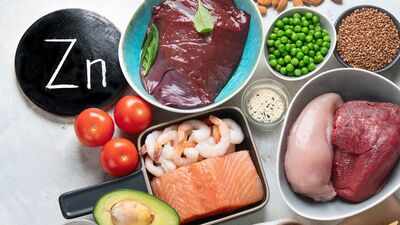
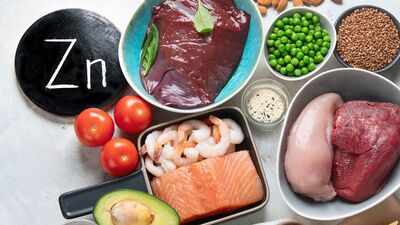
When it comes to vitamins and minerals, zinc doesn’t get as much attention as iron or vitamin C, but your body needs it every single day to carry out all essential functions! It helps your immune system stay strong and fight off infections. It also speeds up wound healing. Supports your sense of taste and smell. Adults should aim for 8 to 11 mg of zinc each day as mentioned in the National Institutes of Health. Many people, especially those who eat mostly plant-based diets, don’t get enough. Here are six foods that can help you meet that goal.OystersWhen it comes to zinc oysters are one of the best choices; a 100-gram portion can have between 78 and 90 mg of zinc based on USDA data. That’s an amount compared to most other foods. One study in the journal Nutrients looked at how the body absorbs zinc from different sources. It found that shellfish, oysters are among the best because the zinc in them are easily absorbed.Pumpkin seedsFor plant-based eaters, pumpkin seeds are a good option. A 100-gram serving has 7.5 mg of zinc. A study published in the Journal of Food Science and Technology also noted zinc content and the presence of fewer absorption-inhibiting compounds in pumpkin seeds.Chickpeas and lentilsLegumes are a source of zinc too. A cooked cup of chickpeas gives you around 2.5 mg. A tip backed by research in the British Journal of Nutrition is to soak or sprout lentils and chickpeas before cooking. This helps your body absorb more of the zinc they contain.CashewsCashews are another plant-based choice. They offer 5.6 mg of zinc per 100 grams. A study in the Journal of the American College of Nutrition found that people who eat nuts like cashews often have good zinc mineral levels.BeefBeef is an effective way to get zinc. A 100-gram serving of cooked beef chuck provides about 6 to 7 mg of zinc according to USDA reports. Research in the American Journal of Clinical Nutrition shows that zinc from meat is absorbed better than zinc from plant foods. This is useful if you are trying to increase your zinc intake.Cheese and yogurtDairy is not usually the thing people think of for zinc but it still helps. A slice of cheddar cheese gives you 1 mg. Research from Advances in Nutrition shows that zinc from dairy is well absorbed by the body. That makes dairy a way to meet your daily needs.The bottom lineLow zinc levels often show up in ways. You might catch colds frequently, wounds heal slower, or food might taste a little flat. Eating a mix of these foods regularly can help. Pairing plant-based sources with vitamin C like citrus or bell peppers can improve absorption. This kind of diet can truly support your body’s need for zinc.