
Welcome back to another edition of My Take 5, your weekly round-up of top international news. This week we are covering Zelenskyy’s open letter to Putin, EU’s unveiling of the 21st sanctions package against Russia, Pashinyan wins Armenia’s election, tensions flare up again in the US-Israel war against Iran, and the Trumpian Fifa World Cup readies for kick off. So, let’s get to it.
Zelenskyy’s open letter to Putin:
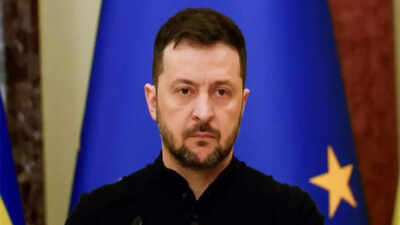
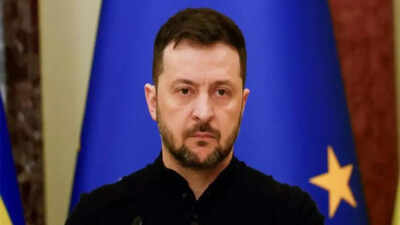
In a bold move, Ukraine’s President Zelenskyy wrote an open letter to Putin asking for a direct meeting between the leaders to end Russia’s war on Ukraine.Zelenskyy even suggested the venue for such a meeting – Turkey, Switzerland, or one of the Gulf Arab states. He also proposed setting a date for such a meeting. After all, all wars finally end in negotiations and a political settlement. So, it would be logical for Zelenskyy and Putin to meet to resolve all issues and put a permanent end to this horrible war.But what was Russia’s answer? Nyet. Putin dismissed the letter as “rude” and extolled Russian soldiers to “carry on their work”. He also said that he sees no point in meeting Zelenskyy. This was followed by Kremlin officials saying that developments on the battlefield, and not negotiations, would determine the course of the war.This totally busts all the assertions by Moscow and its apologists that Russia actually wants peace. This is the clearest signal yet that Russia has no intention of ending this war. Let this be on record. Here was Zelenskyy clearly stipulating a way to end this madness – a leaders’ summit to be immediately followed by a ceasefire, an all-for-all prisoners exchange and negotiations based on the current line of contact. Nothing could be more fair. But no, Moscow wants to send more of its men to the Ukrainian meat grinder, despite the fact that in recent months the frontline is practically frozen, Ukraine has seized the momentum with its long- and medium-range drone and missile strikes, and has even liberated some of its territories.In fact, not only has Russia lost more territory than it has gained in Ukraine in recent months, it is also losing soldiers at a terrifying rate. Russia lost more than 30,000 soldiers in May with 63% killed and 37% injured. At this rate, Russia can’t recruit enough men to replace the ones it is losing. And another round of mobilisation would be politically disastrous for Putin. Add to this Ukraine’s strikes on Russia’s energy assets – last week’s St Petersburg Economic Forum was preceded hours before with a Ukrainian strike on oil depots in the city – and Moscow’s increasing costs of carrying out this war. This war is becoming unsustainable for Russia. But Putin appears too proud to admit it.
EU unveils 21st sanctions package:
The EU unveiled its 21st sanctions package against Russia, proposing measures that further tighten existing restrictions on Russian energy and movement of its personnel. Notably, this includes a freeze on the current pricing mechanism for Russian energy imports, so that Russia can’t benefit from the rise in energy prices due to the situation in the Strait of Hormuz with the Iran war.The new measures also build upon previous efforts to target third countries that help Russia evade sanctions and fuel its war machinery. There are also proposals targeting Russia’s financial sector and drone production, and new restrictions on crypto – EU is proposing for the first time a full ban on crypto-asset services linked to third countries that facilitate Russian sanctions evasion. Plus, current and former Russian military personnel will be denied entry to EU. There’s also a proposal to ban import of Russian fish.All in all, EU continues to tighten the screws on Russia to deny it the resources for continuing the war against Ukraine. This solidarity with Ukraine is undeniably vitally important.
Armenia’s Pashinyan wins:
In a big victory, Armenia’s PM Nikol Pashinyan secured a majority in parliamentary elections in his country. These were crucial polls with high stakes for Russia, US and EU. As I wrote in my previous weekly wrap, Pashinyan has been trying to move Armenia closer to EU and US, much to Russia’s chagrin. In fact, Putin has even directly threatened Pashinyan over this, as Moscow essentially sees Armenia as its own strategic backyard.But Pashinyan has been a champion of Armenian democracy, freezing his country’s membership of the Russia-led Collective Security Treaty Organisation, and even inking a framework peace deal with Azerbaijan brokered by US. Actually, just days before the polls, US and Armenia elevated their ties to a Comprehensive Strategic Partnership.But Russia was trying to influence these elections by backing pro-Russia Armenian candidates and parties. And given Russia’s history of interference in neighbouring countries, we know how far Moscow can go. Yet, Pashinyan emerged victorious. This is a huge blow for Russia for now. For, a pro-Russia camp remains in the Armenian parliament, and they may do Moscow’s bidding by putting obstacles in Pashinyan’s path to move towards EU, or even seal a permanent peace with Azerbaijan. But that’s for later. For the time being, Pashinyan and supporters of Armenian democracy will rejoice.
Another spike in Iran war:
As the US-Israel war against Iran marked its 100th day this past Sunday, tensions spiked as Israel targeted Lebanon’s capital Beirut, leading Iran to launch missiles directedly at Israel for the first time in two months. This in turn saw Israel launch attacks in Iran’s central and western regions. Tehran responded for the second time with another barrage against Israel. But just as the tit-for-tat strikes between Tehran and Tel Aviv threatened another round of all-out conflict, Trump intervened and reportedly told both sides to hold fire. Forty eight hours on, Israel and Iran hadn’t attacked each other directly again.But what led to this sudden spike in conflict? Iran has tied negotiations with US on a peace deal to a ceasefire in Lebanon as well. However, both US and Israel don’t want to play this game. In fact, the US has tried to broker a separate ceasefire between Israel and Lebanon. But Iran-backed Lebanese militia, Hezbollah, has rejected such arrangements. This in turn has created a rift between Beirut and Hezbollah, with Lebanese President Joseph Aoun accusing Iran of using Lebanon as a bargaining chip via Hezbollah.In short, there cannot be a ceasefire in Lebanon unless Hezbollah agrees. Israel is willing to negotiate a ceasefire with Beirut, but not with Hezbollah. Hence, it is continuing to carry out its military operations in southern Lebanon, which have already resulted in the deaths of more than 3,500 Lebanese citizens and displaced tens of thousands.Iran, meanwhile, is using the Hezbollah as a thorn in the side of Israel. Simultaneously, Tehran is using the Lebanese situation to indirectly pressure US in the negotiations. The aim is to get Washington to rein in Tel Aviv and de facto recognise Iran’s regional strategic assets. But, of course, Israel will not accept this. So, all the actors are going around in circles.With just hours to go for the beginning of the Fifa World Cup that will see US co-host the mega tournament, there is no end in sight for this war. US, Iran and Israel are locked in a game of chicken. And no one is willing to blink first.Update: US and Iran have engaged in direct strikes after Washington accused Tehran of shooting down an American Apache military helicopter. US reportedly hit some sites in southern Iran in retaliation, which in turn saw Iran target US bases in Bahrain, Kuwait and Jordan. Trump has now threatened more military action saying Iran took too much time to negotiate a deal. If he resumes full-scale attacks on Iran, there’s no telling where things will go next.
Fifa World Cup to kick off:
Despite all the geopolitical turmoil in the world, the Fifa World Cup is set to kick off in North America (US, Canada and Mexico). But the situation, indeed, is far from normal. US and Iran are at war even though Iran is participating in the tournament. Plus, Trump’s tough anti-immigration stance means there’s no telling how visiting foreign fans will be treated upon their arrival to US.In fact, already there are reports that some European fans and a Somalian referee have had their US travel permits revoked just before they were to board flights or at the time of reaching the US. So, this World Cup is certainly not feeling welcoming. That said, one hopes things will calm down once the matches begin and, at least for a brief time, see the world forget about the chaos surrounding us.