
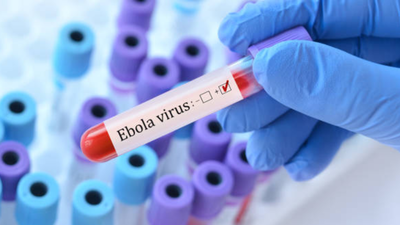
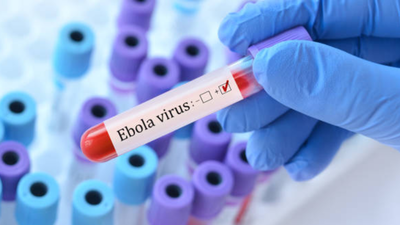
The World Health Organization (WHO) added the first molecular diagnostic test for Bundibugyo Ebola virus to its Emergency Use Listing Thursday, giving responders in Congo and Uganda a faster way to confirm infections in the middle of a growing outbreak.The test works by picking up the virus’s genetic material straight from a blood sample, which means confirmed results come back quicker and more reliably than older methods allowed. WHO’s Emergency Use Listing process checks a product’s quality, safety and performance against international standards before clearing it for use, with a particular focus on getting reliable tools into low- and middle-income countries fast.As of Thursday, the Democratic Republic of the Congo had recorded 1,406 laboratory-confirmed cases and 438 deaths from the outbreak, numbers that keep climbing as the virus spreads through Ituri Province.
Why this listing matters
WHO Director-General Dr. Tedros Adhanom Ghebreyesus declared this outbreak a public health emergency of international concern back on May 17. Bundibugyo virus behaves differently enough from the more familiar Zaire strain of Ebola that existing treatments, developed and certified for Zaire, don’t automatically work here. Diagnostics have had to catch up too, since older testing tools weren’t built with this specific strain in mind.“The outbreaks of hantavirus, Ebola and Marburg all show why there is no alternative to international cooperation in the face of international threats,” Tedros said, addressing the broader response effort. “No country alone can fight.”
A new crisis
This is DRC’s 17th Ebola outbreak since the virus was first identified in the country back in 1976. Ituri Province combines insecurity, large refugee populations and heavy cross-border movement tied to mining and trade, all of which make contact tracing harder than it already is.There’s no licensed vaccine or approved treatment built specifically for Bundibugyo virus yet. WHO’s Strategic Advisory Group of Experts on Immunization has been reviewing candidate vaccines and therapeutics since late May, and a clinical trial testing two potential treatments enrolled its first patient this week.Uganda offers a rare bright spot. No new cases have been reported there since June 21, and health officials point to stronger contact tracing and expanded treatment capacity as reasons the country appears to have gotten ahead of further spread, at least for now. The outbreak in DRC, though, is still expanding, and Thursday’s diagnostic listing is meant to help responders keep pace with it.