
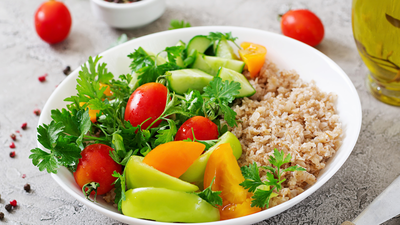
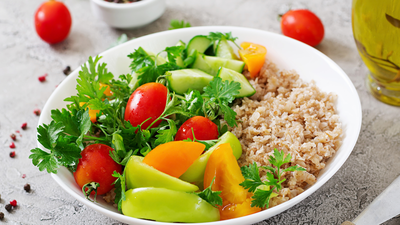
In most Indian households, roti and rice reign as everyday staples, making any departure from them feel almost sacrilegious. However, with a rise in dietary awareness, the demand for nutrient-dense alternatives increases; both oats and quinoa have emerged as powerful options that bring diversity to the desi thali. What’s more, far from being mere substitutes to satisfy hunger, these grains bring distinct nutritional profiles, metabolic benefits, and culinary flexibility to the table. Well, here’s a simple guide to understand which one is best and more specific for individual health goals.Which has more nutrition?Both oats and quinoa are loved for their health benefits, yet their basic biological makeup is very different. Oats are mainly a carbohydrate source full of special dietary fiber giving a moderate amount of protein and essential vitamins and minerals. Quinoa is a seed and quinoa stands out because quinoa protein quality is better. Quinoa is one of the plant foods that qualifies as a complete protein supplying all nine essential amino acids that the human body cannot make on its own. Beyond protein quinoa provides amounts of tiny nutrients like iron, magnesium, zinc and folate more than standard oats. Research published in the journal of Food Chemistry shows that quinoa amino acid mix closely matches the balance needed for nutrition, making quinoa an excellent addition to plant-based diets for muscle recovery and, overall, tissue repair.Fiber and digestive functioningThe way fiber affects the system depends on the type of fiber in each food. Oats are very rich in beta‑glucan, a type of fiber that turns into a thick gel inside the gut. This gel slows how fast the stomach empties, traps bile acids and helps lower the amount of cholesterol that stays in the blood. A study in the American Journal of Clinical Nutrition showed that eating beta‑glucan from oats each day can lower low‑density lipoprotein (LDL) cholesterol, which’s good for long‑term heart health. Quinoa on the hand has more insoluble fiber. Insoluble fiber makes the stool bulkier speeds up the movement of food through the intestines and helps keep bowel movements regular. Both oats and quinoa feed the bacteria in the gut but oats are better for controlling cholesterol and protecting the heart while quinoa is stronger for keeping the digestive system moving smoothly.Response and metabolic controlManaging blood sugar depends on how quickly a food releases sugar into the blood. Oats have a low to glycemic index (GI) because beta‑glucan digests slowly so it keeps sugar from spiking too fast after a meal. This steady release gives lasting energy. Keeps hunger at bay. Quinoa also has a GI but it has more protein compared to carbs. The mix of protein, good fats, and fiber in quinoa slows the GI even more. A study in the Journal of Medicinal Food found that eating quinoa regularly can reduce the rise in blood sugar after meals and improve how the body uses insulin in people with prediabetes. For people who care about metabolic health, losing weight, or controlling diabetes: both oats and quinoa are very good. Quinoa has a small advantage in keeping you full because of its protein.Gluten and SensitivityIn their pure, harvested form, both oats and quinoa are naturally gluten-free, rendering them safe options for individuals navigating celiac disease or non-celiac gluten sensitivity. However, real-world processing creates distinct considerations for each. Oats are often grown, harvested, and processed near wheat, barley and rye. This can lead to cross-contamination. That means even if oats do not have gluten they might still contain traces of gluten unless they are certified gluten-free. Also a few people with disease can react to avenin. Avenin is a protein found naturally in oats. So even if oats are labeled gluten-free some individuals may still need to avoid them.Quinoa comes from a different plant family. It belongs to the Amaranthaceae family. Because of this quinoa is less likely to be contaminated by grains. It is usually safe for people who’re sensitive to gluten. Quinoa also tends to be tolerated by many people with digestive sensitivities.. It’s important to rinse quinoa before cooking. Rinsing removes saponins. Saponins are naturally occurring compounds on the surface of quinoa. They can cause stomach discomfort in some people.So which one to choose?The choice between oats and quinoa depends on your health goals, how you live your life and what you like to cook. If your main goal is to lower LDL cholesterol support heart health and keep your energy steady in the morning oats are a pick. Oats have a kind of fiber called viscous soluble fiber. This fiber helps with heart health. Keeps blood sugar levels more balanced.If your goals include getting complete protein, building muscle while following a plant-based diet keeping blood sugar stable after meals or finding a good low-GI alternative to rice at dinner then quinoa is the better option.Quinoa has all nine amino acids that makes it a complete protein. It’s especially helpful for people who don’t eat meat or animal products. You can also use both oats and quinoa in your diet. Rotating between them gives you the benefits of both. You get heart- fibers from oats and complete proteins from quinoa. This mix supports long-term health. Keeps your meals interesting.