
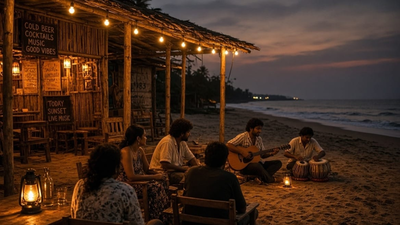
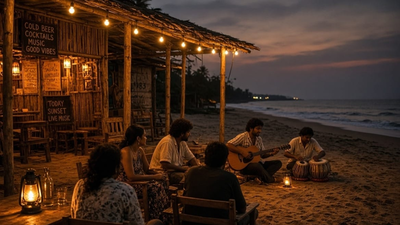
Goa in the 1980s was a different place. It was not yet a long list of resorts and crowded spots. People who went there came back talking about empty beaches, slow days, and a kind of freedom that felt rare even then.AI assistant recreated some old vintage Goa moments photos. Looking at those old photographs, you can still feel the heat, the salt in the air, and the easy way strangers became friends.
Soft afternoons on the beach
The first thing most people remember is the beach itself. Wide stretches of sand, coconut trees leaning toward the water, and the sea a clear blue-green. In the pictures you see travellers sitting on simple clothes, some reading, some just watching the waves.Clothes were loose cotton kurtas, faded jeans, and headscarves. No one was checking a phone. Time moved with the sun. You could walk for a long time and meet only a handful of people. The light in those old photos is soft and golden, the kind that makes everything look warmer than it probably was.
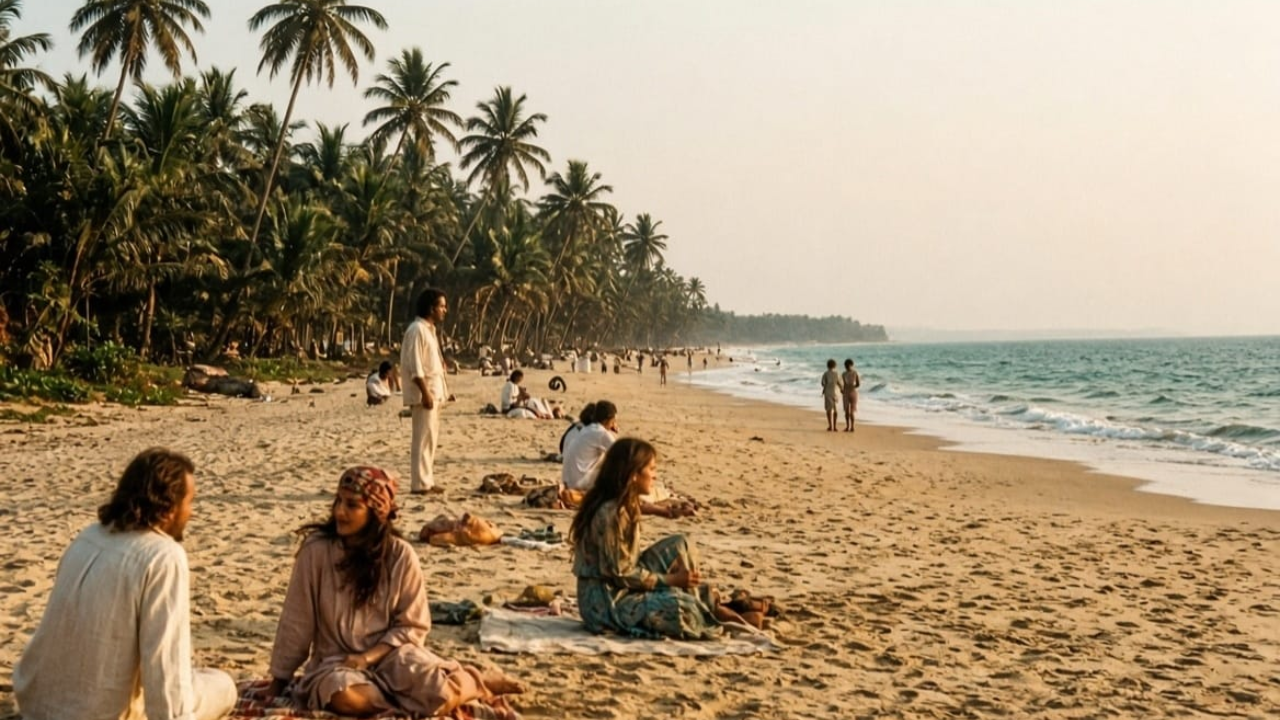
Image credit: AI generated
The market that felt like a village fair
Anjuna flea market was already famous by then, but it still felt small and personal. Stalls under bright cloth roofs sold silver jewellery, embroidered bags, old books, and incense. Travellers moved slowly between the stalls, trying on rings or bargaining with a smile.The ground was dusty, the air smelled of spices and smoke, and conversations went on for ages. Looking at those market scenes now, you notice how little plastic there was. Everything felt handmade and a little worn, which somehow made it better.
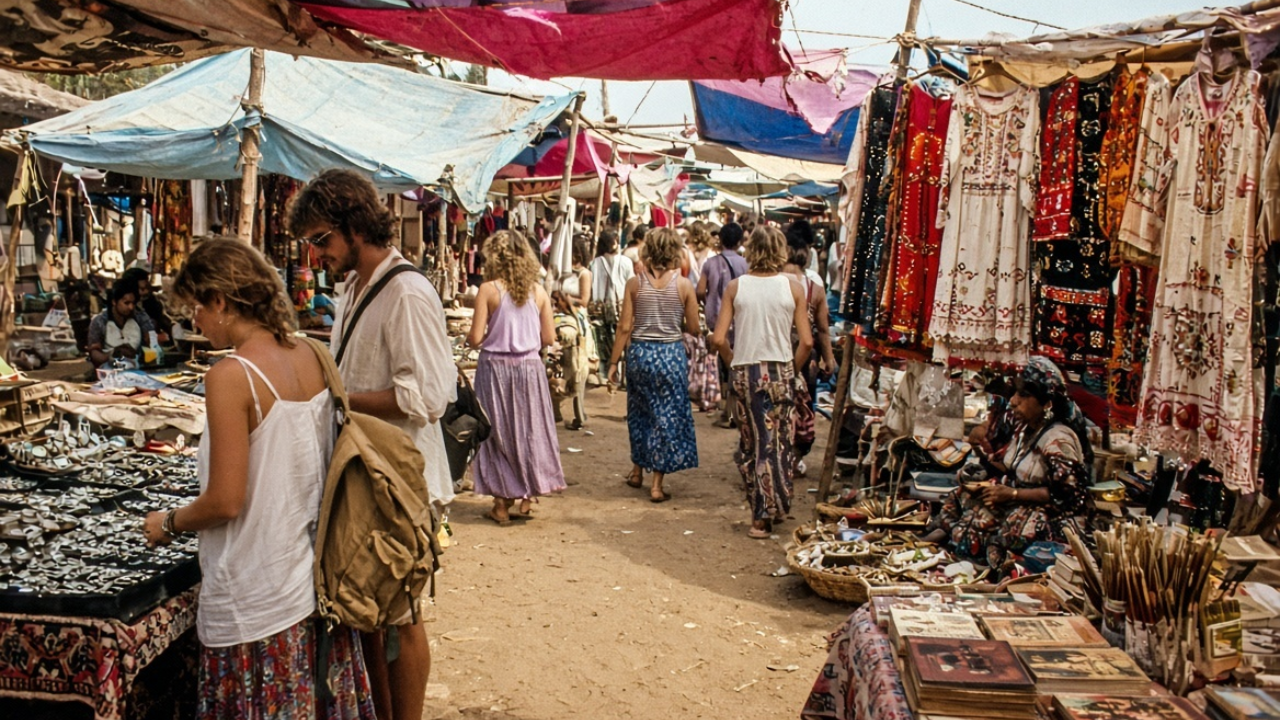
Image credit: AI generated
Walking through old streets
Away from the beach, the towns kept their own quiet. Panaji’s Portuguese houses stood in soft colours, pinks, yellows, blues, with red-tiled roofs and wooden balconies. A few Ambassador cars and scooters waited along the side of the road. People walked without hurry.The photos from those streets show a place that had not yet been polished for tourists. You could sit on a step, drink a glass of fresh lime soda, and watch the day go by. The buildings looked lived-in, slightly faded by the sun and rain, and that only added to their charm.Long drawn-out evenings The beach shacks were slowly waking up as the sun set. Simple bamboo structures, a few tables on the sand, a string of warm bulbs. Local musicians played guitar and tabla while people shared food and stories.No big sound systems, no crowded dance floors. Just the sound of the waves and soft conversation. In the photographs the light is low and golden, faces relaxed. These evenings were the heart of many trips. You met people from different countries, stayed late, and somehow never felt the need to rush back.
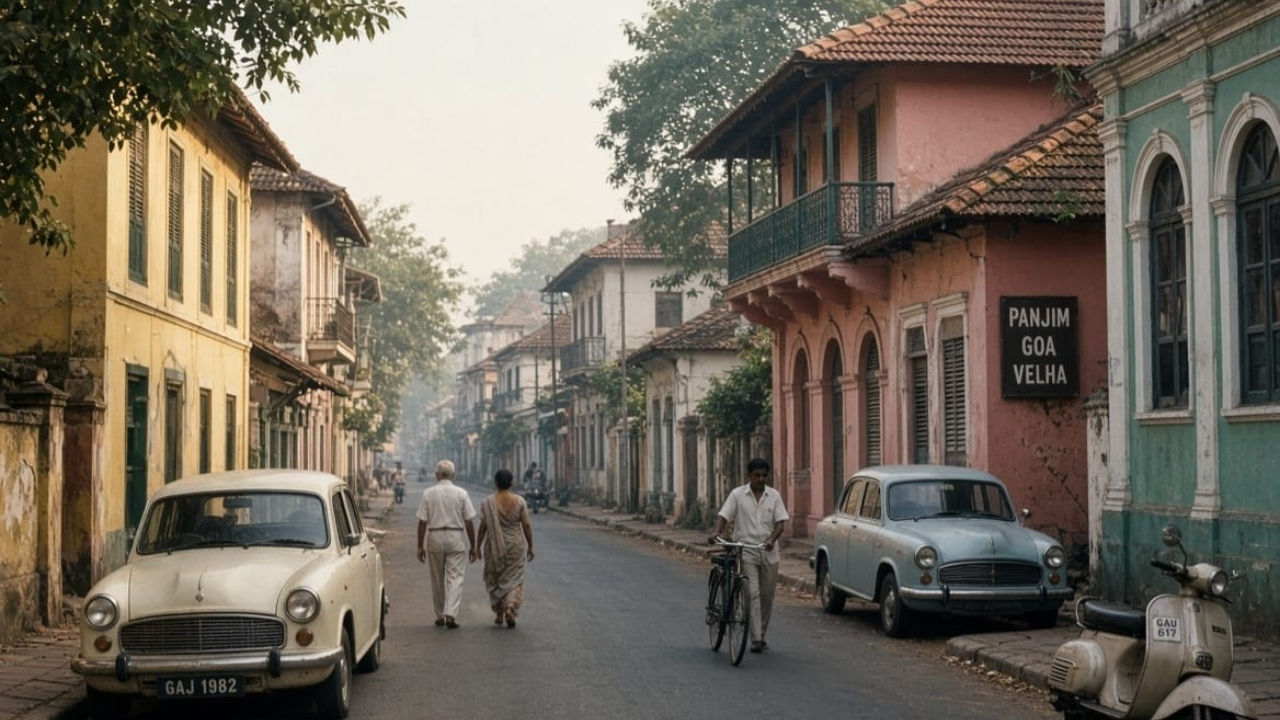
Image credit: AI generated
The roads between places
Getting around was part of the adventure. Many travellers hired old Royal Enfield motorcycles or small scooters and rode along the coastal roads. The AI curated photographs show two people on a bike, backpacks tied on, palms and open fields on both sides. The road was quiet.
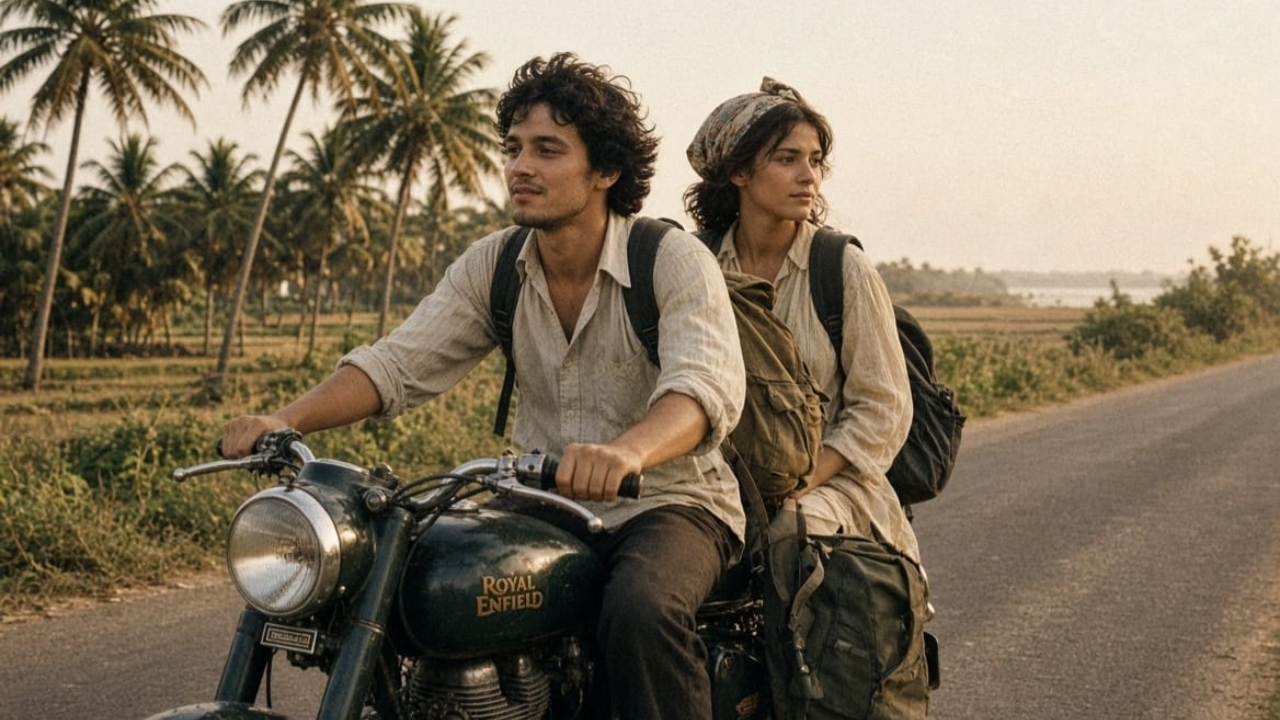
Image credit: AI generated
You could stop wherever you liked for a view, for a cup of tea, or just because the light looked good. Those rides linked the different beaches and towns and made the whole trip feel like one long, continuous day.Looking at these images together, something clear comes through. A 1980s trip to Goa was less about ticking off sights and more about slowing down. The beaches were emptier, the markets smaller, the nights simpler. People came with backpacks and left with stories that stayed with them for years.