
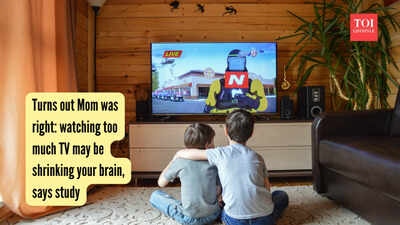
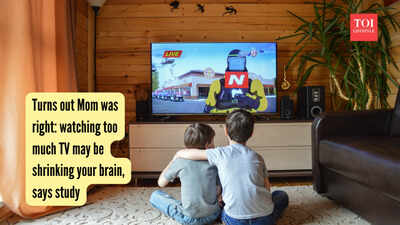
Ever since we were children, hooked to watching cartoons on television, followed by heaps of scoldings from parents, we’ve heard the old warning about television rotting your brain, usually said half-jokingly by parents trying to get us off the couch.It turns out that the offhand line might be closer to the truth than anyone realised. New research is putting real numbers and real brain scans behind an idea that used to live purely in the realm of folk wisdom and guilt trips.
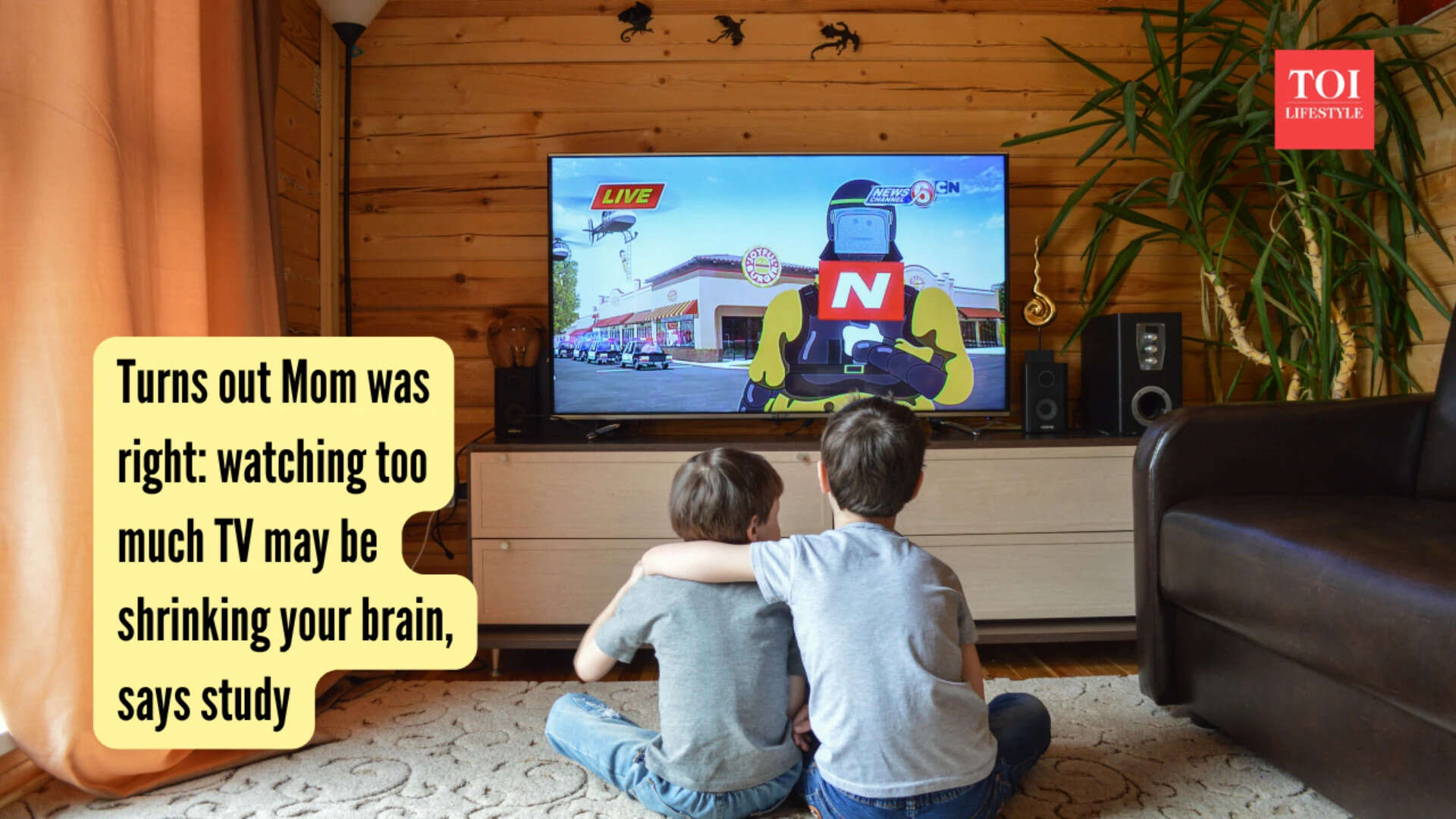
Representative Image
How was the study conducted?
Researchersat USC Dornsife analysed two decades of data from roughly 1,700 adults enrolled in the long-running Atherosclerosis Risk in Communities study. Participants, whose average age was 53 at enrollment, reported how often they watched television during their leisure time. Decades later, they underwent brain MRI scans. The study appeared in Alzheimer’s and Dementia: Journal of the Alzheimer’s Association, giving the findings real scientific weight rather than casual speculation.
What does heavy TV viewing do to the brain?
People who reported watching television “very often” in midlife showed noticeably smaller frontal and occipital lobes decades later, which impacted decision-making and visual processing, compared with those who rarely watched.Scans also revealed reduced gray matter volume in areas linked to early Alzheimer’s changes, along with higher white matter hyperintensities, a marker of small blood vessel damage connected to stroke risk and cognitive decline. These differences held even after adjusting for physical activity levels.
Men appear more affected than women
When the team broke the data down by sex, an unexpected pattern emerged. Most of the brain changes, both the harmful ones tied to TV watching and the protective ones tied to desk work, showed up predominantly in men. The researchers haven’t fully explained why, and it remains one of the open questions the study raises rather than answers, pointing to a need for further sex-specific research.
What this could mean for future health advice
Study author David Raichlen has suggested that public health guidance may need to begin focusing from simply telling people to sit less toward encouraging more cognitively engaging activity during downtime, like reading or puzzles.The researchers do caution that the study relied on self-reported viewing habits and lacked an early baseline MRI, so it shows association rather than proof of cause.