
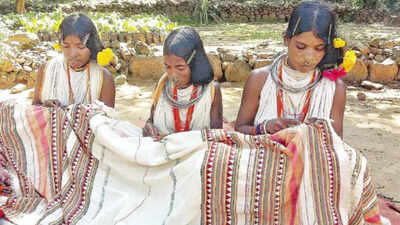
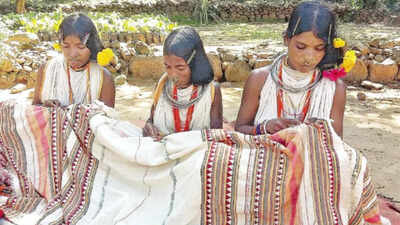
BHUBANESWAR: From addressing the raw material challenge to creating a pool of trained artisans, the handlooms, textiles & handicrafts department has drawn up a roadmap for the development of Kapdaganda and ensuring that its weavers benefit from the embroidery tradition, considered one of the oldest in the state, Guha Poonam Tapas Kumar, commissioner-cum-secretary of the department, said.Kumar, who was instrumental in securing the Geographical Indication (GI) tag for the unique shawl in 2024, said ensuring a steady supply of the coarse, off-white cloth on which the embroidery is done is among the department’s top priorities.After weavers in Jhigidi village in the district stopped weaving the fabric, a similar variety was procured from Mayurbhanj for some time. The department is now planning to source it from Koraput.However, procuring the cloth from outside the district is not proving to be a sustainable arrangement as it adds to the production cost.“Since procuring the coarse cotton cloth is now becoming increasingly difficult, we are planning to create a weaving cluster and train the local population to create a pool of weavers who can supply the cloth to women of the tribal community engaged in embroidery. This will help create a sustainable local supply chain for the craft. If this does not work out, the cloth will be procured from weavers in Koraput to ensure the craft is sustained,” Kumar said.For this, the department has directed its State Agency for Development of Handloom Clusters (SADHC) to set up the weaving cluster. The handicraft directorate will train women from the community in design development.The department is also looking to expand Kapdaganda beyond its traditional shawls through product diversification. “The training programme will be entrepreneurship-based. We plan to deploy a designer who would train the women in creating other products such as bags, dupattas and apparel from Kapdaganda,” she said.A mini garmenting unit and sales outlet will form part of the initiative which will help in entrepreneurship and product diversification.As part of efforts to create a cadre of craftspersons within the community, three women master craftspersons – Lahari Kundika, Murudi Wadaka and Bangari Wadaka of Khambesi village – have been selected to train local women in Kapdaganda embroidery.The department has sought a detailed project report for the initiative from Rayagada collector Ashutosh Kulkarni and it is expected to be submitted within the next fortnight.