
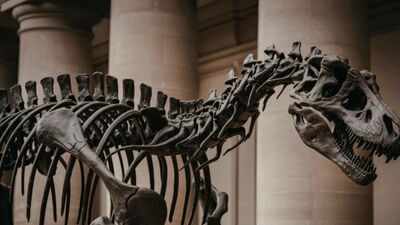
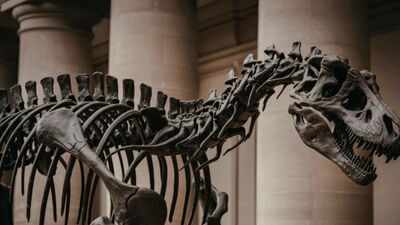
Deep in the heart of Thailand’s northeastern Kalasin Province, a quiet hillside has just rewritten a chapter of the prehistoric era. Paleontologists have officially uncovered a brand-new species of dinosaur that roamed the Earth roughly 150 million years ago. Named Uragasaurus kalasinensis, this massive, plant-eating giant stretched an impressive 20 meters in length—about the size of a cricket pitch—and navigated its Late Jurassic world with an exceptionally long neck.The journey to this discovery started with a resident who was very curious. This person found some old fossil pieces in 2008 that looked like scales from a snake. The person wanted to know more so they started an investigation at a place called Phu Noi. It turned out that Phu Noi was a place to find old fossils. In fact, ninety percent of the fossils found there were from dinosaurs, including a lot of teeth and bones.One special bone caught the attention of the researchers. It was a dorsal vertebra, which is a bone from the middle or upper back of a dinosaur. The researchers thought this bone was unusual so they did a CT scan on it. The results were amazing. The scan showed that the dinosaur was a Mamenchisauridae, a type of dinosaur with a long neck. These dinosaurs could eat plants from high up because of their necks. While we know a lot about these dinosaurs in China this was the time one was found in Thailand.The CT scan also showed some features that we had never seen before in dinosaur fossils. This dinosaur is called Uragasaurus as it had a Y-shaped arrangement of bones called laminae. It also had an air-cavity structure that we had never seen before. The Uragasaurus had these features that made it different from other dinosaurs. According to Dr. Apirut Nilpanapan of Mahasarakham University, the lead author of the study, these anatomical quirks make the dinosaur unlike anything else on the planet. The sheer weight of the realization even led Dr. Nilpanapan to accidentally smash his own computer in a wave of overwhelming exhilaration and relief when the discovery finally clicked.The monumental study, which was published earlier this week in the prestigious scientific journal Nature, cements Thailand’s growing reputation as a hotspot for ancient giants. The announcement comes closely on the heels of another massive find in May: the Nagatitan, a colossal 27-tonne, 27-metre herbivore that currently holds the title of the largest dinosaur ever discovered in South-East Asia.