
As Europe edged toward World War II in 1939, Switzerland was faced with a dilemma that went far beyond defending the country’s borders, with them needing to safeguard one of its most strategic assets, that is, the gold reserves. New historical research shows that the Swiss National Bank responded to this apprehension by moving large quantities of gold into fortified Alpine infrastructure, thus transforming a military ammunition depot carved into the Bernese Alps into a highly secured underground vault. A study published in the Journal of Contemporary History uncovered the previously undocumented details from the Swiss National Bank’s archives. These archives showed how wartime fears reshaped the country’s financial infrastructure, with them decentralising gold storage beneath solid mountain rocks instead of solely relying on urban vaults in Zurich and Bern. Notably, these underground vaults created networks that supported both national security and the country’s financial system during the war.Military bunker transformed into wartime treasuryAccording to historian Ludo Groen of ETH Zurich, the transformation started in 1939 when a military ammunition depot in the Bernese Alps was adapted to house the Swiss National Bank’s domestic gold reserves. This underground location offered a combination of protection, secrecy, and security that the urban city vaults could not match during increasingly stressful periods. Furthermore, the study explained that the mountain vault was initially seen as an emergency evacuation site should Switzerland ever be attacked, but with the war progressing, the country’s gold bar holdings expanded rapidly, and the Alpine facility was transformed into a permanent storage centre capable of accommodating reserves that no longer fit in the vaults of Bern and Zurich.
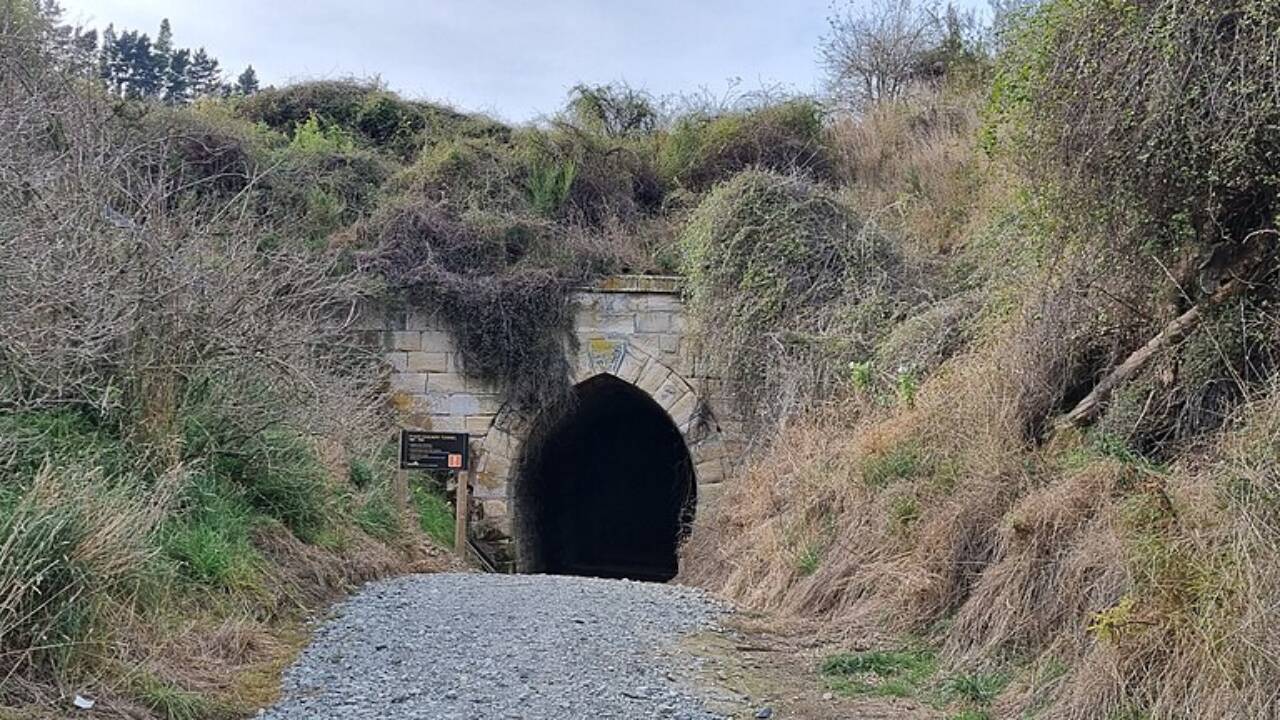
Representative image of a tunnel. Image credit: Wikimedia Commons
This new research challenges the long-held belief that Swiss gold was stored primarily beneath major banking centres. In contrast to that belief, archival evidence shows that increasing wartime inflows of precious metals required an entirely new storage infrastructure. Thus, by relocating to the Alps, Switzerland effectively expanded its storage capacity while reducing the risks associated with concentrating reserves in densely populated cities. Notably, these underground vaults formed part of a broader network which included security, transport routes and administrative systems designed to manage the country’s growing gold stocks throughout the Second World War. The Alps became part of Switzerland’s financial infrastructureThe mountain terrain had long been central to Switzerland’s national defence strategy, with underground fortifications and military installations forming part of the country’s National Redoubt concept. Research shows that financial security became intertwined with the defensive landscape, with the converted mountain vault not being just a security vault but also an important component of the Swiss National Bank’s wartime operations. With the increase in gold reserves, the decentralised Alpine storage helped Switzerland to continue managing its bullion while adapting to the quickly changing geopolitical situation across the continent. The study shows extensive archival research from the Swiss National Bank and analyses the surviving underground structure to reconstruct how the mountain vaults functioned during wartime. It is worth noting that rather than presenting the vaults in the Alps as legends or symbols of Swiss secrecy, the research shows how the country carefully planned an infrastructure to respond to wartime pressure. These findings offer historians new insight into how Switzerland protected its financial reserves while maintaining neutrality during one of the most turbulent periods in world history.