


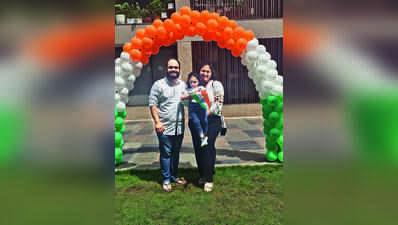
Ketul Surati spent nearly a decade building his career in US, eventually rising to the position of vice-president at a leading global financial services multinational. Yet, despite his professional success, he had no certainty about when he would receive his green card.In Dec 2025, Surati returned to Ahmedabad with his wife Saloni and their three-year-old daughter Aarya. The family now lives in Shantigram, and Surati has taken up a position with a leading IT multinational in India.Surati is among several professionals who have returned from US after spending years establishing their careers there. Their reasons vary. Many are finding it increasingly difficult to cope with the unpredictability of the US immigration process. Some wish to reunite with ageing parents, raise their children in India, or pursue promising business ventures in their homeland. These choices are being made against a backdrop of stricter US immigration policies and ongoing delays in the path to permanent residency.“I had applied for a green card, but the policies and rules kept changing frequently. Even after putting in so much effort and time, I had no clarity on when I would get my green card. I kept wondering whether staying longer would be worthwhile in the long run. That was the trigger,” Surati said.
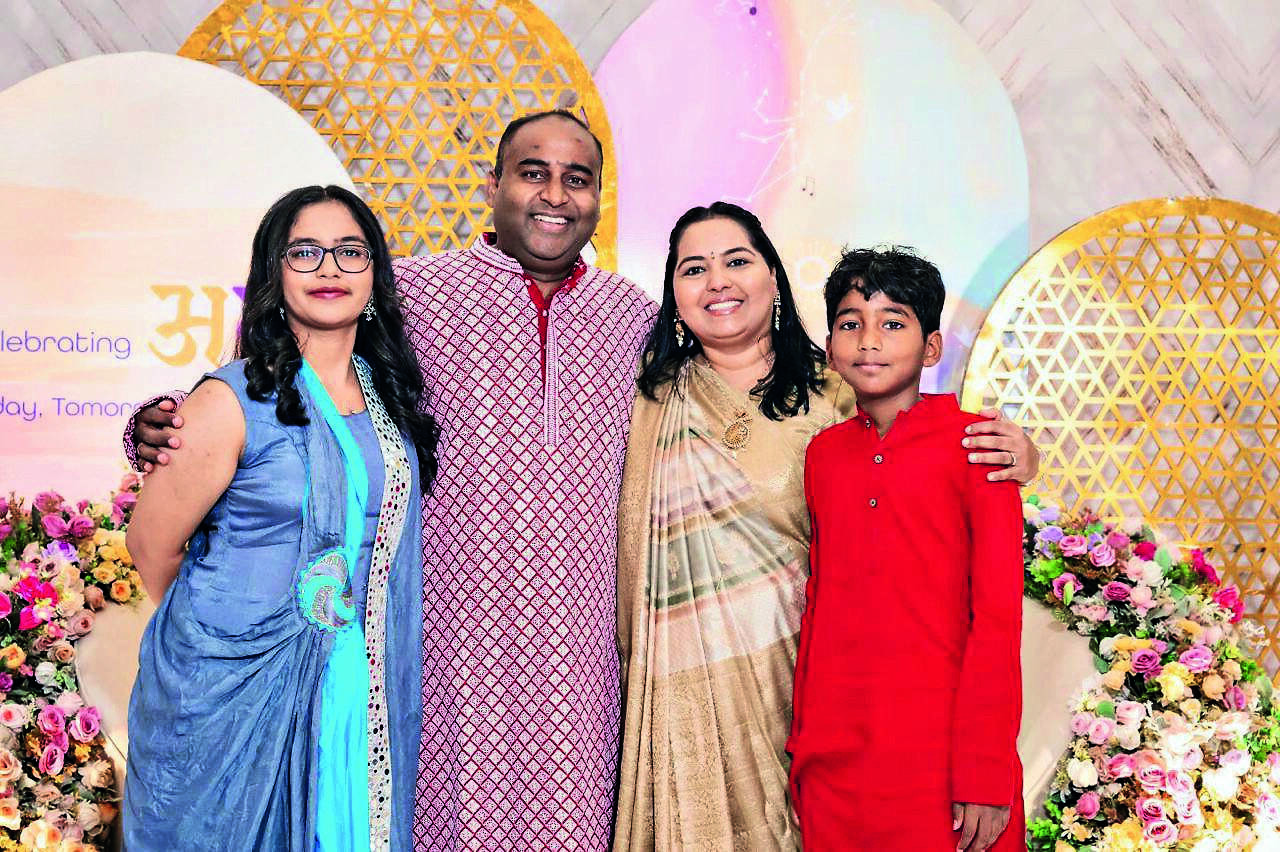
Pranav Shah returned home with family around three years ago without giving up his US employment. An American citizen, Shah chose to come back to be with his parents
An American citizen, Pranav Shah chose to come back to be with his parents
He moved to US for his master’s degree, landed a job and gained exposure to global practices while rising through the IT ranks. But annual visits to Ahmedabad, usually in Dec or Jan, were no substitute for living near relatives.“My daughter, Aarya, is now three years old, and I wanted her to grow up with the same culture and values that I grew up with. In India, a joint-family upbringing makes a big difference to a child’s overall development,” he said. While his pay package has changed significantly since returning from US, Surati feels he has “managed a good one” in terms of pay parity.He has also noticed how drastically Ahmedabad has changed. His first Navratri here in a decade surprised him with its scale and spending. Saloni, who worked in talent sourcing and recruitment in US, has paused her career. “In US, socialising was possible only on weekends, but here, it happens frequently,” she said.While the couple misses America’s “greater respect for law and order,” they appreciate the freedom from constantly monitoring shifting visa regulations, consulting immigration experts, and scheduling stamping appointments. This newfound ease allows them to devote more energy to their careers and community.The long road to residencyFor Indian professionals, getting to America and securing the right to settle there permanently remain two very different challenges. While the H-1B programme has an annual worldwide ceiling of 85,000 visas, with no separate quota for Indians, employment-based green cards are constrained by country-specific limits.US immigration law generally caps a country’s share at 7% of the combined annual family-sponsored and employment-based preference visa allocations, subject to exceptions. US State Department’s Nov 2026 Visa Bulletin shows final action dates of Nov 1, 2013, for Indian applicants in the EB-2 category and Jan 22, 2014, for those in EB-3, reflecting longstanding backlogs.Meanwhile, the Trump administration introduced wage-weighted H-1B selection and announced a suspension of green card labour certification processing involving eight major technology companies in Oct 2026. The $100,000 fee imposed on certain new H-1B petitions in Sept 2025 remains blocked by federal courts, despite its extension until Sept 2027.Giving up the green card chaseTejas Patel, who earned his engineering degree in 2005, moved to US for work in 2010 and built a thriving IT career. In June 2026, he chose to return to Ahmedabad after withdrawing his green card application. “I had applied for a green card, but I withdrew my application because I decided that I wanted to live in India,” the Ambli resident said. Patel experiences the true rewards of returning in the simple moments spent with his family each day.“The quality of life is better in Ahmedabad, especially with parents around. We have a good social life too. Besides, it is easier for my wife to get household help,” he said.
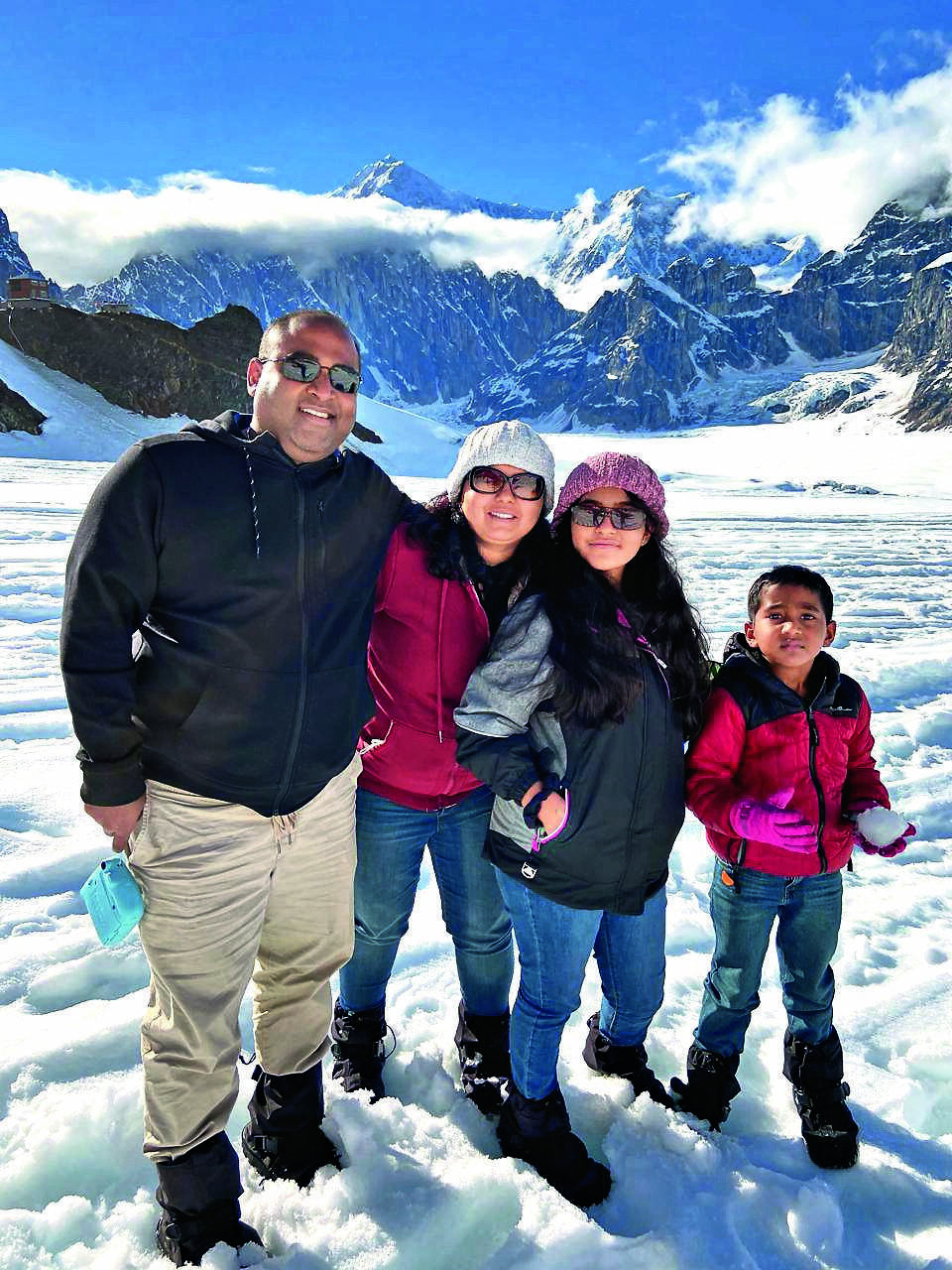
Tejas Patel returned after 16 years, so his children could be with their grandparents
Moving while his children were still young helped too, as they “settled into their new school and environment quickly”. He wants them to grow up with their grandparents around, experiencing Indian festivals and culture as part of everyday life rather than just during holidays.He is exploring technology and manufacturing ventures, convinced that India offers more growth opportunities. He said jobs for young graduates in America have become harder to secure: “AI has made the market more competitive.” Some firms, he said, offer transfers to India at locally adjusted salaries to retain staff.Patel has also run into an unexpected bureaucratic hurdle since returning. “I was issued a PAN card around 2005–06 before moving to US, and my old investments are linked to it. When Aadhaar was introduced, I did not link it with that PAN. Later, another PAN card was issued in my name, leaving me with two PANs. I cannot complete KYC formalities or open accounts because of this issue,” he said. Despite these hurdles, Patel remains convinced of his decision to return, though he has yet to persuade his parents.A family emergency brings him homeSamar Oza, a resident of Shantigram, had moved to US in 2014. He spent around 11 years in the technology sector before returning to Ahmedabad in 2025.“I went with the clear intention of returning to India after a few years, but I ended up spending more than a decade there and even applied for a green card,” he said. Oza had long considered returning to India. When his father suffered a heart attack, he decided the time had come.

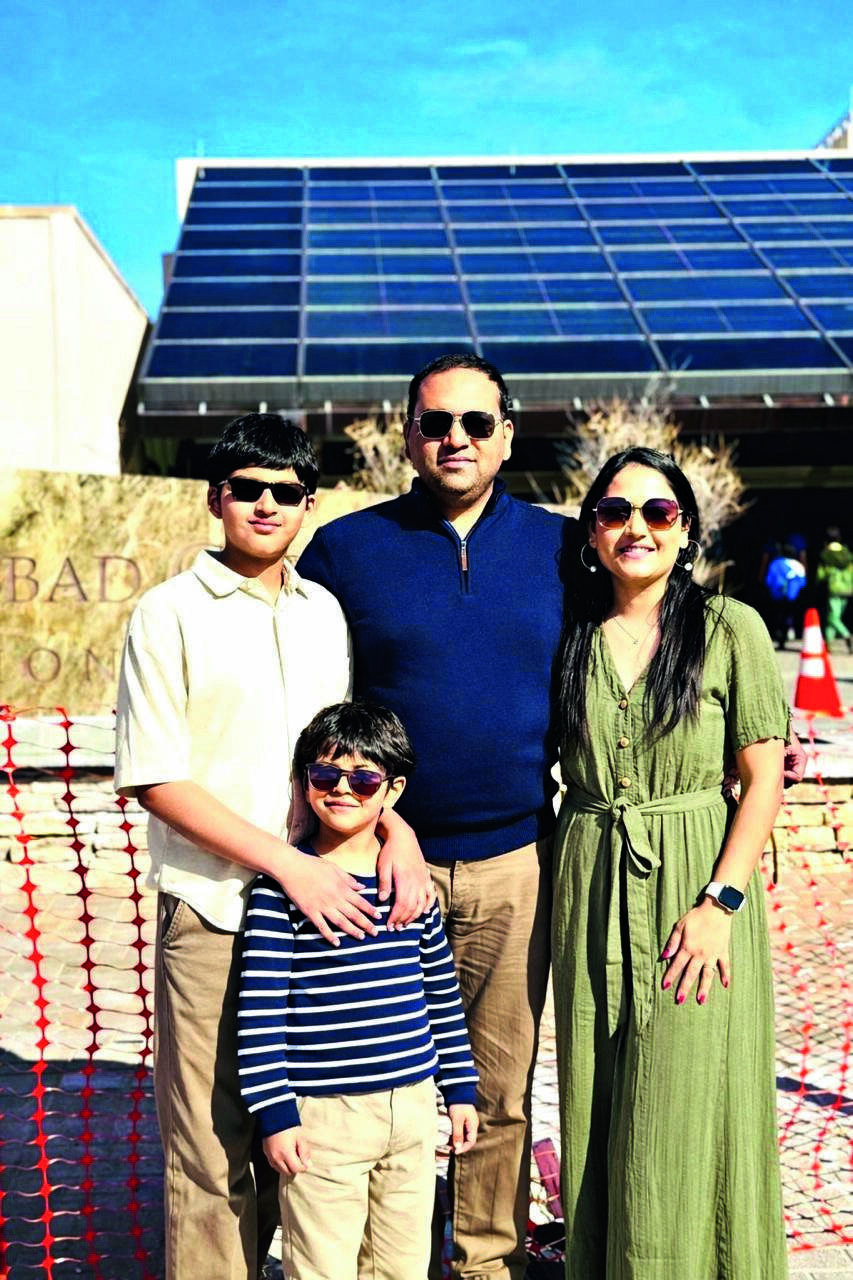
Samar Oza and his family returned to Ahmedabad after 11 years in the US
Oza wanted to move while his children were young and could settle easily. He values India’s social fabric and now works as chief product officer at an IT company in Ahmedabad. “If someone on an H-1B visa loses their job and cannot find another within 60 days, they have to leave US. That pressure makes people less willing to take risks in their careers, and they end up working for survival,” he said. “In India, I can take bigger risks because my family’s future is not tied to a visa.”For his wife, Arya Desai, the return has also meant an opportunity to resume working. A chemical engineering graduate from Gujarat, she worked at a leading refinery in the state before marriage. After moving to US, she could not work because she did not have a work permit.“After returning, I began thinking about working again. I am also a Bharatanatyam teacher, so instead of returning to the industrial sector, I decided to teach dance and worked with a school. I have currently taken a break,” she said.After nearly a decade in America, moving back was a major challenge, she said, but family and friends helped them settle. “Life feels easier here, and I can focus on work. We returned before our children started school, so they have had no difficulty adjusting to the curriculum, study pattern or making friends. In fact, they have more friends to play with here,” she said. Oza said he respects American work culture and talent but said lower-skilled workers face greater uncertainty. He said India should invest more in product development.Before returning, Oza spoke to five people to assess his job prospects in India. More recently, after he shared his experience on a podcast, he got calls from people asking for further guidance. He now helps others considering the move with practical questions, including where to live in Ahmedabad and which schools to choose for their children. Taxation is another concern for professionals planning their return. CA Rinkesh Shah, chairman of the ICAI Ahmedabad branch and an adviser on NRI taxation, said, “Inquiries from Indians wanting to return from US have risen by about 20%. Most are IT professionals on H-1B visas, uncertain about green card timelines. They want advice on how a change in residential status would affect taxation of US salaries, business earnings, rental income and retirement benefits.”Many also hold American stocks, mutual funds, ETFs, bonds, property and retirement accounts, raising concerns about taxation in both countries. Understanding the India-US Double Taxation Avoidance Agreement (DTAA), foreign tax credits and cross-border reporting requirements is another major concern, he said.Working for America, living in AmdavadPranav Shah went to US in 2000 to study IT, settled there and became a US citizen. He returned to Ahmedabad three years ago to be closer to his parents, but still works as an SAP consultant for the same US company. “US offers good opportunities, but India now also has great potential,” he said. His children are interested in higher studies in US. Shah says competition for good jobs in US has intensified, while India’s expanding global capability centres offer new opportunities.Leaving Silicon Valley behindParth Desai of Nehrunagar went to US in 2009-10 for a master’s degree in chip designing and landed a coveted Silicon Valley job as a chip designer. “Coming from a business family, I felt I had better opportunities in Ahmedabad. Also, my fiancee was a dentist, and she did not want to leave India. I decided to leave my job in Silicon Valley and return,” he said.
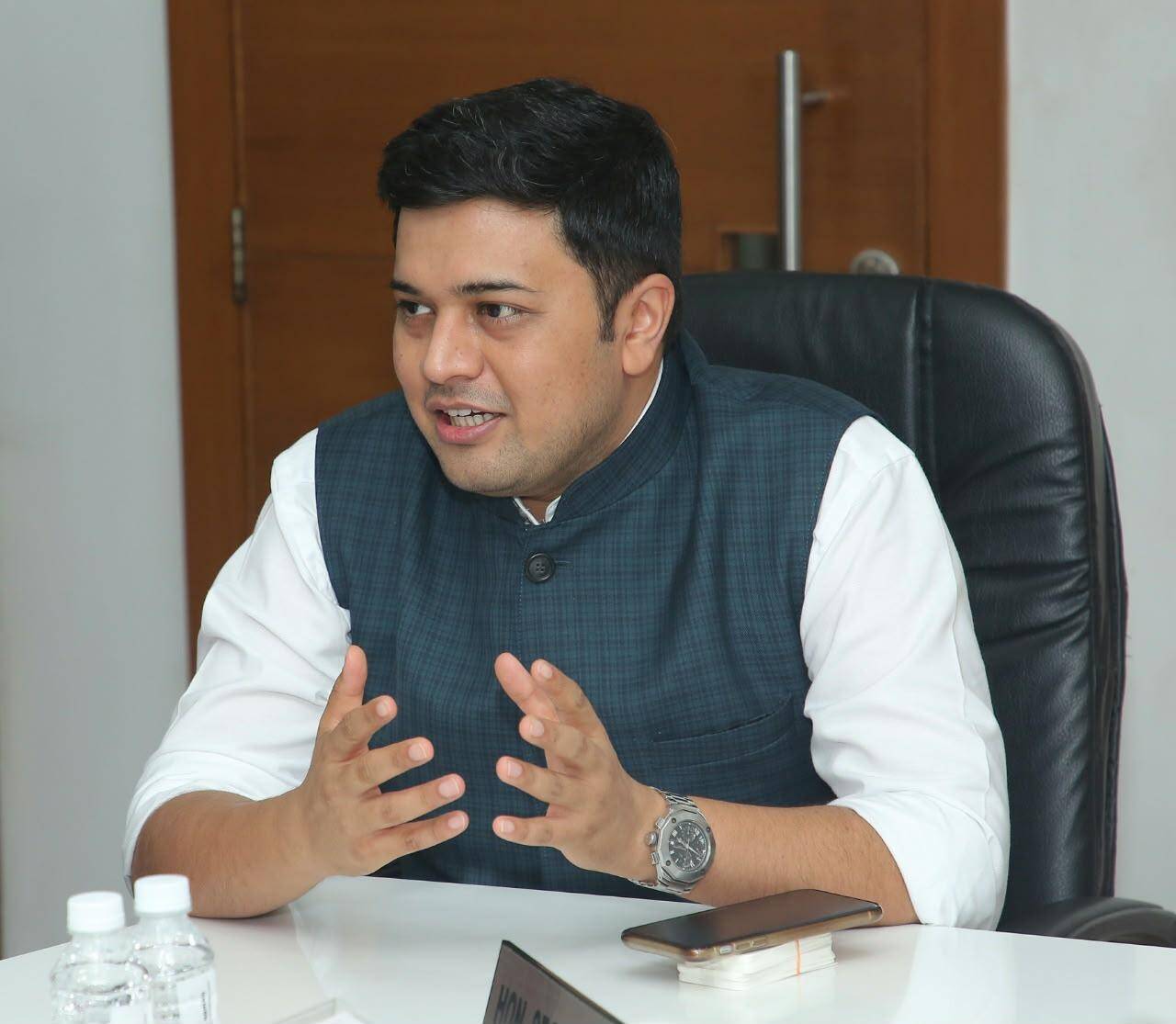
Parth Desai left his Silicon Valley job and moved back to Ahmedabad. He still feels Americans are ahead in work ethics, commitment and dedication, but says Ahmedabad lets him contribute to local organisations in ways he could not in US
His father had a long-standing insurance business, which the family expanded by adding engineering and car workshop operations. Desai credits American exposure to global professional standards for helping him do better in India. He still feels Americans are ahead in work ethics, commitment and dedication, but says Ahmedabad lets him contribute to local organisations in ways he could not in US.These returnees have no illusions about life in India, but they don’t regret their years abroad either. For now, they have found enough reasons to call Ahmedabad home again.