
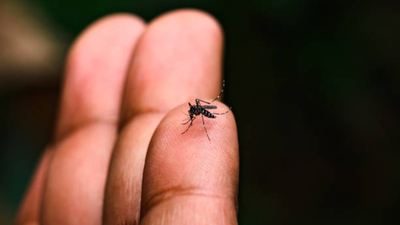
Nitish Kumar, 22, a student from Nawada, Bihar, first relied on over-the-counter medicines when he began experiencing symptoms of chikungunya in February last year. For almost a week, he believed it was an ordinary viral fever.“I did not immediately go to a doctor. I bought some medicines from a pharmacy to treat the symptoms of what I thought was a viral fever and made some changes to my diet.”Even after seeing a doctor, the mosquito-borne viral disease went undetected. “One day, I noticed a sudden eruption of red spots on my body, and I suspected I was infected with chikungunya. I went to AIIMS Bhopal to see a doctor, but the doctor handed me a list of medicines prescribed for viral fever.
CJP Jantar Mantar Protest Updates
Even the doctor could not diagnose it initially despite the rash.”The World Health Organization (WHO) notes that chikungunya symptoms — abrupt fever, swelling, muscle pain, headache, nausea, fatigue — overlap with those of other infections, making misdiagnosis common. If the illness lacks severe joint pain, it may go unnoticed because symptoms in many infected individuals are mild.This is hardly an outlier. The initial symptoms of most monsoon-related illnesses closely overlap with those of common viral fever. “This is a typical situation observed during the rainy season. We come across many cases of patients who present with symptoms such as fever, sore throat, or general body weakness and are treated as viral infections. But after 2 to 3 days, if the high fever persists, body pains, or low platelets indicate influenza or dengue,” said Dr. M. J. Jayakanth, Consultant — Internal Medicine, SPARSH Hospital, Sarjapur Road, Bangalore.For dengue, WHO says most people are asymptomatic, while symptomatic cases experience high fever, headache, body aches, nausea and rash. Malaria’s mild symptoms are similar: fever, chills and headache.The monsoon brings relief from summer heat, especially in northern India, but also a hidden cost: a surge of infections. Pools of stagnant water left by heavy downpours become mosquito breeding grounds, fueling spread of vector-borne illnesses like malaria, dengue and chikungunya. Heavy rainfall and high humidity also allow airborne viruses, including influenza, to linger longer, and as people retreat indoors, close contact in poorly ventilated spaces facilitates transmission. Because many monsoon illnesses begin with fever and headache — symptoms associated with viral fever — delayed detection can allow them to worsen into life-threatening conditions.
Impact on newborns
Dr Manish Mittal, senior consultant paediatrician at Cocoon Hospital in Jaipur, says newborns and toddlers are more vulnerable during the monsoon because of immature immune systems. “The combination of high humidity, pollution through dirty water, a moist environment, and mosquitoes increases their susceptibility to lung infections, diarrhoea, skin infections, and vector-borne diseases. Even a small infection may develop into something serious in infants.”Delayed detection is common in children because they cannot always communicate symptoms clearly. “Parents sometimes seek medical care only after dehydration, persistent fever, or unusual lethargy develops, which can delay timely diagnosis and treatment.”Dr. Mittal recommends parents ensure hygiene at home: keep surroundings dry, use clean water, protect babies from mosquitoes, and continue breastfeeding if feasible. “If the infant has fever, poor feeding, lethargy, vomiting, diarrhoea, low urine output, or difficulty breathing, prompt medical care is required.”
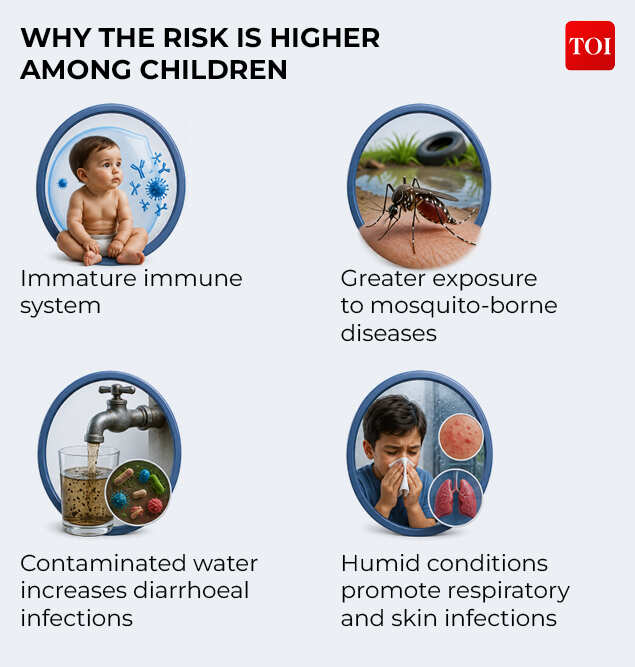
Why the risk is higher among children
Contribution of climate change
On the UNDP blog, Kathryn Johnson, a policy specialist in HIV and health for the UNDP regional office for Asia-Pacific, writes that changing rainfall patterns and rising temperatures increase the risk of vector-borne diseases in rapidly urbanising regions with weak health infrastructure. “Warmer climates extend the breeding seasons and geographical range of many vectors, while increased rainfall or poor water management in urban settings provides ideal conditions for their spread.”This complicates diagnosis, as these diseases are no longer confined to the monsoon season.Abhay Tripathi, 22, a journalism student at Central University of Odisha, says he contracted chikungunya last May in Bhopal, a month of high temperatures. Because it wasn’t monsoon, he assumed it was ordinary fever. “I did not go to the doctor on the first day because, being a student living away from home, I thought it was just a fever. I took a paracetamol that I had in my room and rested for a day. But on the second day, the fever didn’t break, and I noticed minor rashes on my hand. I got worried and decided to see a doctor.”Government data show rising malaria cases in pre- and post-monsoon months. The National Centre for Vector-Borne Disease Control’s monthly report records a slight rise in positive malaria cases in 2025 during pre-monsoon months compared with 2024. Mapped against the three-year average, the increase is significant, especially in months approaching peak summer.
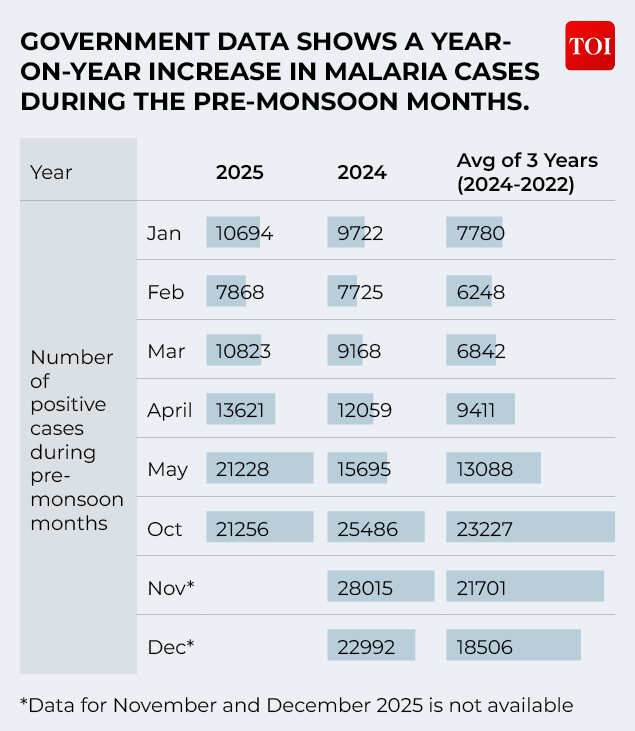
Government data reflects rise in malaria cases during the pre-monsoon months
Dr. Jayakanth says climate change is not the sole contributor. Improved testing and surveillance have picked up cases that earlier went unreported. “Urban water storage, construction sites, poor drainage, and changing human movement patterns also create year-round breeding habitats.”“So, this trend is probably not due to a single factor; it reflects a combination of climate change, environmental changes, urbanisation, and better disease detection systems,” he adds.
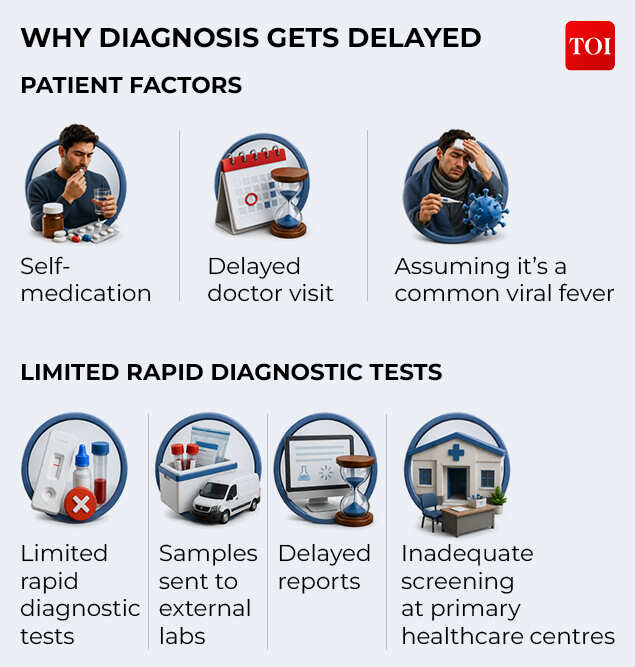
Why diagnosis gets delayed
Gaps remain in diagnostic infrastructure and mechanisms, including low availability of rapid diagnostic tests in peripheral areas, delays in laboratory results, poor early screening, and limited healthcare infrastructure in both urban and rural areas. “Most primary hospitals do not have the infrastructure to conduct tests on-site, meaning that the samples will be taken to external laboratories, hence causing a delay,” he says.Ultimately, this escalating public health challenge is more than a seasonal inconvenience. Climate change is reshaping environmental patterns and vector habitats, while access to advanced diagnostics remains unequal — a convergence that is intensifying the risk and reach of these illnesses.