
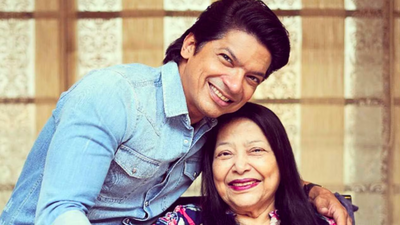
Popular singer Shaan recently shared a small moment from his childhood that ended up leaving a lasting impression on him. Speaking on the podcast Between 2Notes, Shaan recalled a time when he came home and saw a song playing on television. He felt frustrated that other people were getting opportunities while he was sitting at home.“I was like, ‘Did you see? They all are singing a Bengali song on TV and your son is sitting at home watching TV,’” he recalled. His mother did not argue with him or tell him that he was being ungrateful. She simply held his hand, smiled and said: “We have plenty. Don’t complain, okay.”
28 Jul 2026 | 16:22
How do you teach children about money and financial responsibility?
She added, “Yeh kya hai, woh kya hai mat karo. We must be grateful.” Shaan said the simplicity of her words stayed with him. “Bohot mila hai,” she told him, you have received so much. “She said it so simply and then carried on watching the show,” Shaan recalled. “But that stayed with me. Count your blessings. What you got is so much.”
A child does not have to be taught gratitude through a lecture
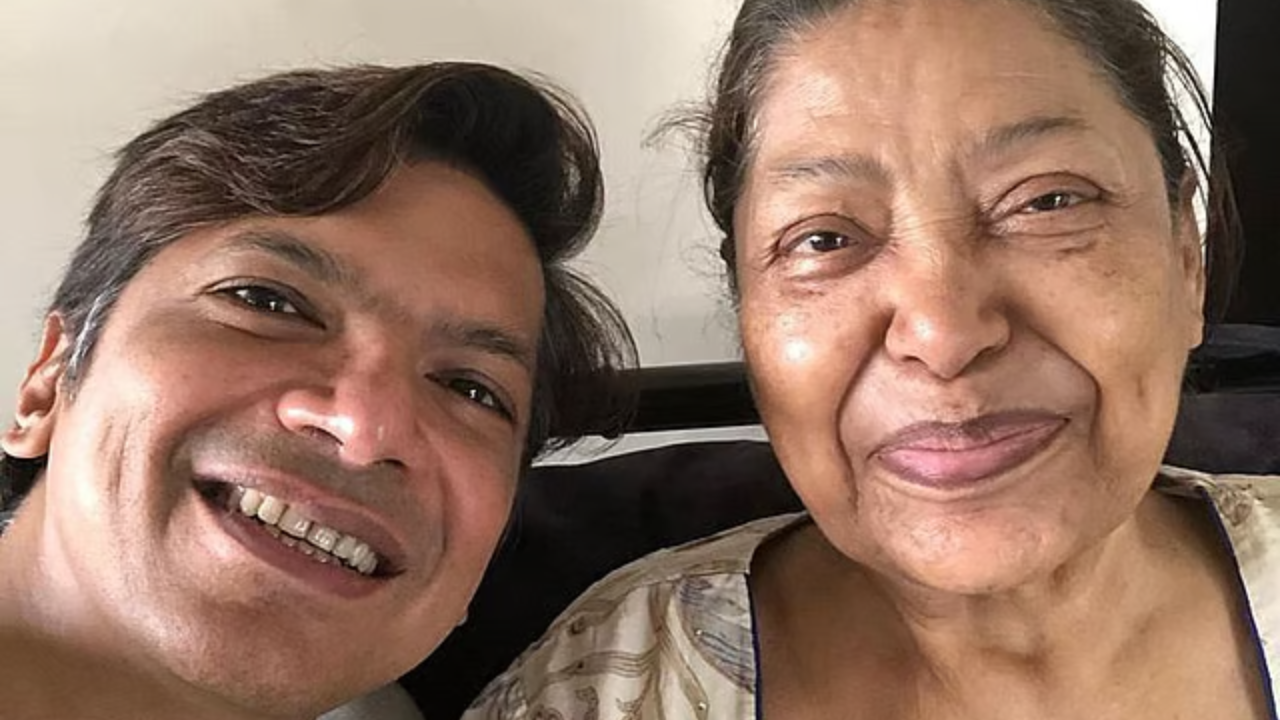
Shaan with his late mother. (Instagram/singer_shaan/)
Shaan’s mother did not try to convince him that his disappointment was invalid. She simply shifted his attention from what he did not have to what he already had. That is an important distinction for parents.Children naturally notice what is missing. Another child has the latest phone or sneakers, a classmate scores higher, someone gets selected for the school team or a sibling gets a bigger birthday gift. The comparison can happen in seconds.Parents often respond with another comparison: “You should be thankful. Do you know how many children don’t have what you have?” But gratitude rarely grows well under guilt. A more useful approach may be to help children notice abundance without dismissing disappointment. A child can be upset about not getting something and still learn to appreciate what they have.
Instead of “Be grateful”, ask children to notice
One practical way to build gratitude at home is to make it less of a moral instruction and more of a habit of observation. If a child complains, parents can pause before saying, “You have so much.”Try asking: “What are three things that are going well for you right now?”Or, if the child is upset about losing something: “I know you’re disappointed. Apart from this, what is something you are happy you have?”The point is not to shut down the complaint. It is to teach children that one disappointment does not erase everything that is going right.This is particularly relevant for Indian children growing up in an environment where comparison is almost unavoidable: marks, schools, clothes, gadgets, holidays, extracurricular activities and eventually colleges and careers.
Gratitude should not become another performance
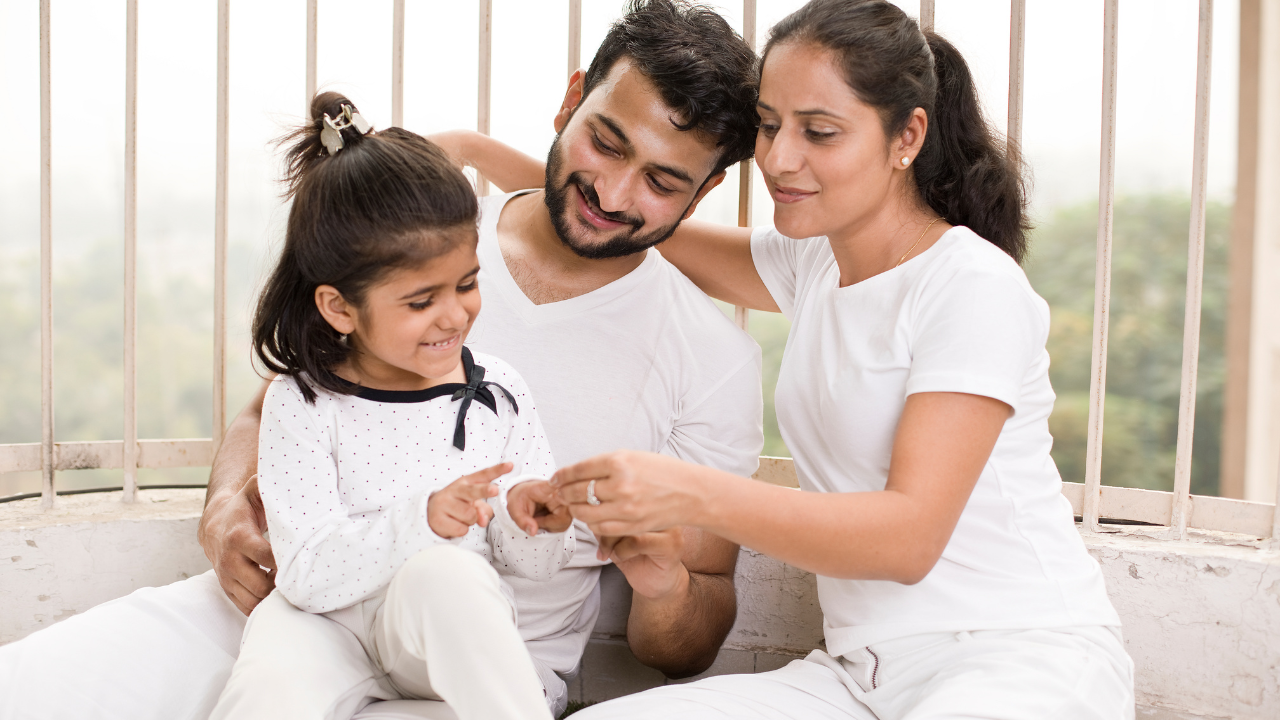
Image: Canva
There is also a trap parents should avoid. The moment gratitude becomes another item on a child’s achievement list, say thank you, write your gratitude journal, name five things every night children can start performing it for adults rather than feeling it.Sometimes the more powerful lesson is what children see their parents do. A parent who says, “The traffic was terrible, but at least we reached safely,” is a good example for kids. A parent who says, “This was not what I wanted, but we can still make the best of the day,” is teaching the kids resilience. A parent who genuinely appreciates the domestic help, the security guard, a teacher, a grandparent or a colleague is showing a child that gratitude is not reserved for big things.Children learn the emotional meaning of gratitude by watching how adults talk about what they have.
Teach children the difference between wanting more and having less
One of the most useful conversations parents can have with older children is about the difference between ambition and dissatisfaction.Wanting to improve is not a bad thing. A child can want to get better marks, make the team, buy something expensive or pursue a bigger dream. Gratitude does not mean telling children to stop wanting more. The healthier message is: “You can want more without believing that what you have is worthless.”
Try the “plenty” conversation at home
Parents can turn Shaan’s mother’s simple idea into a small family habit. At dinner or during a car ride, instead of asking children only about school, ask: “What is something you have plenty of today?”It could be friends, food, time with grandparents, books, a favourite sport, a safe home, laughter, a sibling, a teacher who helps them or simply someone who listens to them.The answers will change with age. A six-year-old might say, “I have plenty of chocolates.” A teenager might initially roll their eyes. But occasionally, they may surprise you. And perhaps that is the point. Gratitude does not need to be dramatic to become part of a child’s thinking. Sometimes it starts with a parent gently helping a child look at the same life from a different angle.