
From Inception’s dream worlds to Interstellar’s Tesseract, Christopher Nolan has literally built fantastical sets for all his films – each more unbelievable than the last. So, it came as no surprise to Nolan fans that when it came to the monsters and myths of The Odyssey, he decided to make things as real as possible.Tricks are central to The Odyssey. Not just Homer’s – Nolan’s too. The director has spoken repeatedly about how he used every trick in the book to pull off the film’s practical visual effects. None of those tricks involved CGI.As Matt Damon put it, if there were 1,000 people fighting in a scene, then there were 1,000 people fighting. Nolan said in an interview, “My rule of thumb for everything in this movie – we have to give the audience reasons to believe.”Nolan pulled in the finest craftsmen in the world, then pushed every one of them to the edge – find the in-camera solution. Every department faced the same challenge: make it real.Many of the techniques he used in this film – like using puppets to create monsters – are either tricks borrowed from older directors, from a time before visual effects even existed in cinema, or inventions like the IMAX camera case: a blimp created just for this film.Almost everyone who was a part of The Odyssey shoot calls it the hardest of their career and producer Emma Thomas and Damon compared it to making seven ambitious films at once. Cast and crew crossed deserts, mountains, seas, landscapes, often reaching the set only by helicopter or a long hike.Over a month after the film’s release, the secrets of filming it continue to be revealed – the poster which shows Odysseus facing the giant Laestrygonians? That’s not Matt Damon, but rather his four-foot female stunt double. John Leguizamo, who played the blind servant Eumaeus, could not see for up to 14 hours a day due to the contact lenses he had to wear, the Hades scene with the dead rising from the earth? The actors were actually buried in sand, breathing through snorkels.
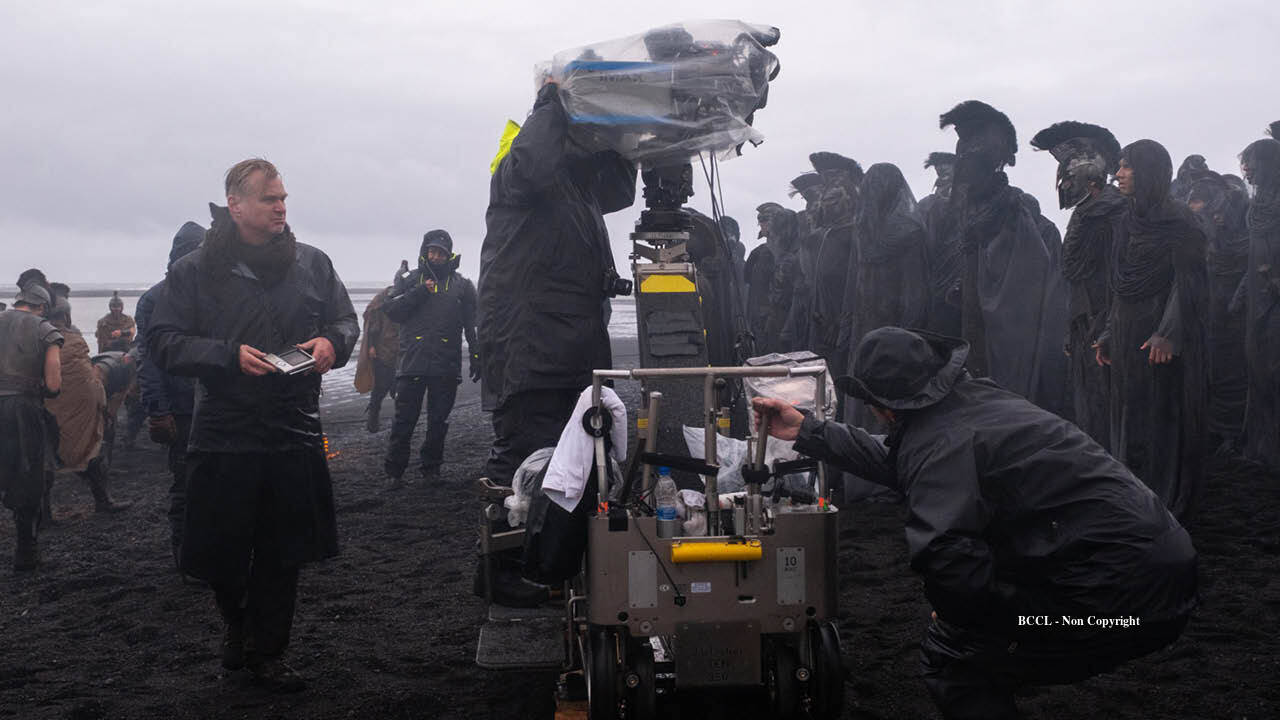
The Hades scene
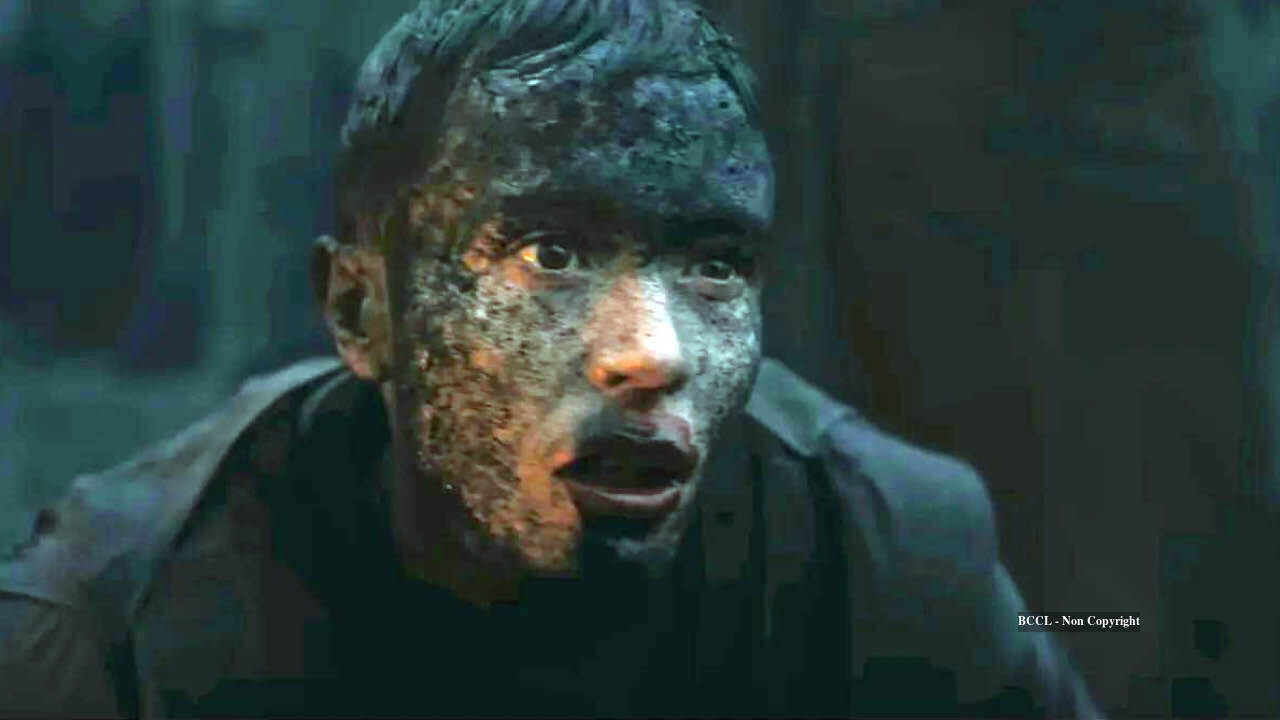
Elliot Page played the role of Sinon in the film
Actors were buried in black sand with a timer for Hades sceneIn the Hades scene, Odysseus and his surviving crew visit the Underworld to speak to the dead and to hear blind Tiresias’ prophecy. Filmed on the black sands of Iceland with practical effects, the scene is a visual marvel and showed the fallen soldiers rise from the ground. For the scene, the actors were actually buried in the ground, breathing through snorkels. Matt explained in an interview, “They were stunt people. When we did that shot, obviously safety is the first thing. So some people were buried, and everyone had a safety person on them, and they set a timer for when the first person got covered (in sand), just in case the snorkel didn’t work. They all worked fine, but it was a redundancy to make sure everyone was okay, and just in case someone couldn’t come out. And then we shot that, and so when you see these shades – they’re ghosts, basically – rising up out of the black sand, they were really buried.“
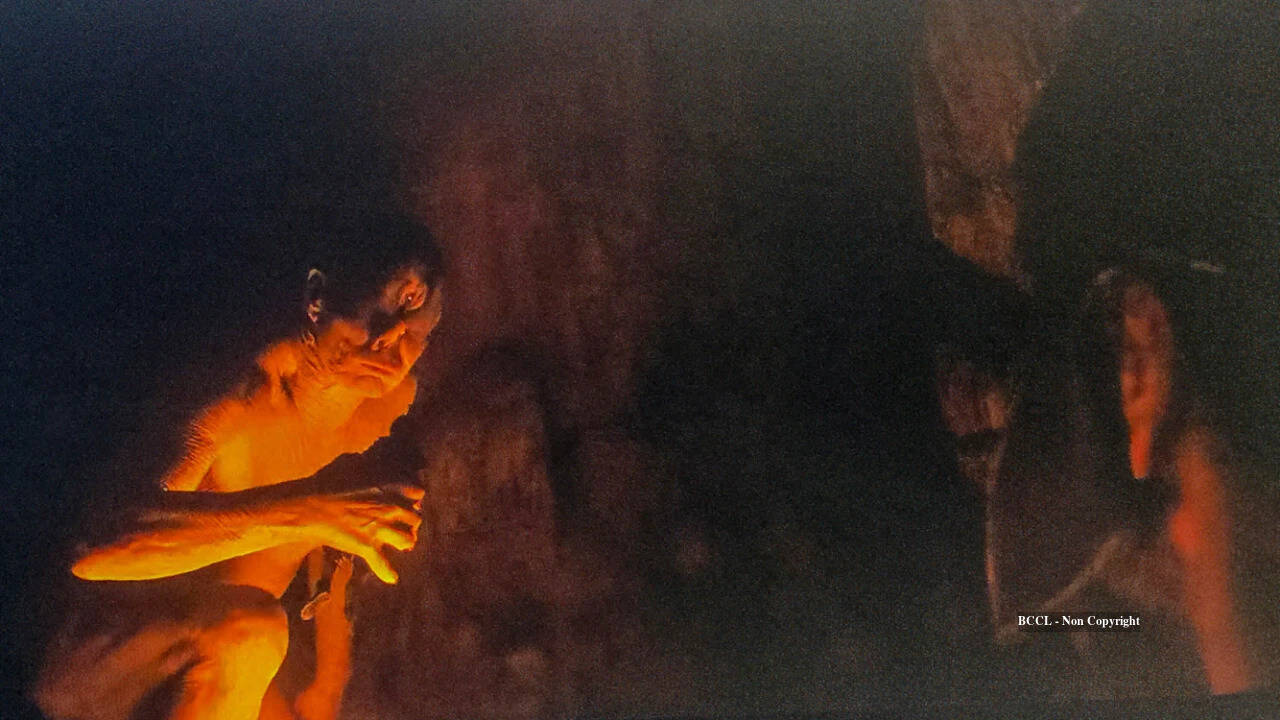
Cyclops
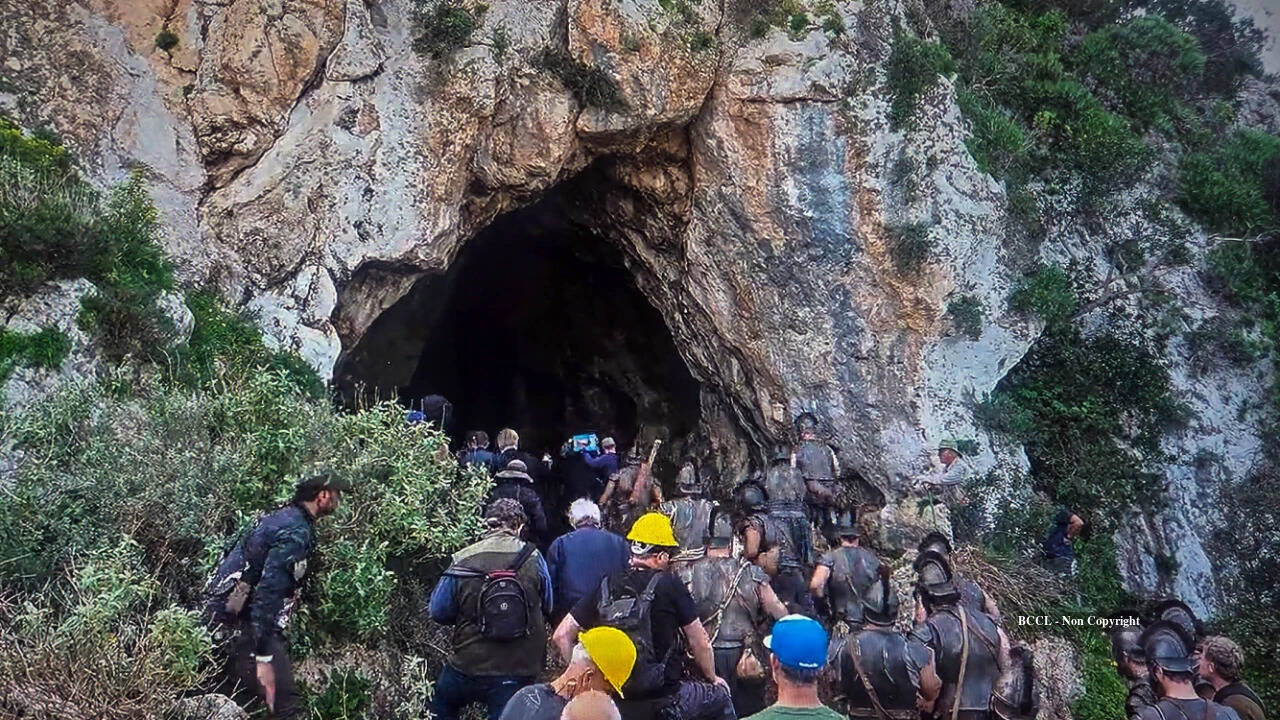
The production also filmed inside Nestor’s Cave in Greece, turning the natural space into a kind of soundstage. The crew installed rigging inside the cave so it could accommodate the demands of filming while retaining its natural character.
‘The Cyclops scene, shot in a real cave, gave a very oppressive, dark, and real sense to it’Searching for food and supplies after the Trojan War, Odysseus and his men enter a cave and are trapped with the man-eating Cyclops named Polyphemus and his sheep. The one-eyed giant was created using multiple techniques, from animatronics to puppetry. The sequence was shot inside Nestor’s Cave in Messenia, Greece, where the crew walked in through thousands of bees at the cave entrance. Nolan used a 60-foot puppet to create the Cyclops, with Bill Irwin portraying and voicing the giant. Nolan and Irwin have yet to reveal in detail how the sequence was filmed – how much of it was the actor and how much the puppet.Nolan said in an interview, “Everything about the Cyclops sequence is aimed at trying to imagine: what would this be like in real life? Not approaching it from a storybook or cartoony point of view, but really trying to be in there with Odysseus and his men. It’s a horrifying situation.”He said, “We need a performer at the heart of it. It’s one of the most challenging things that I’ve been involved with. I learned from my friend Guillermo del Toro that a monster is never just a monster – and that’s something he’s brought to his own work in a major way. It’s really about finding the individual behind that, and, in that way, presenting a more real and a more threatening (character). The Cyclops is a real individual, a real character that Bill’s been able to create with everybody else involved in the film. I’ve built a lot of caves before – but shooting in a real cave, the feeling is utterly different. Once the rock is moved across the door and you’re in the dark, it’s very, very oppressive. It gave it a sense of reality.”
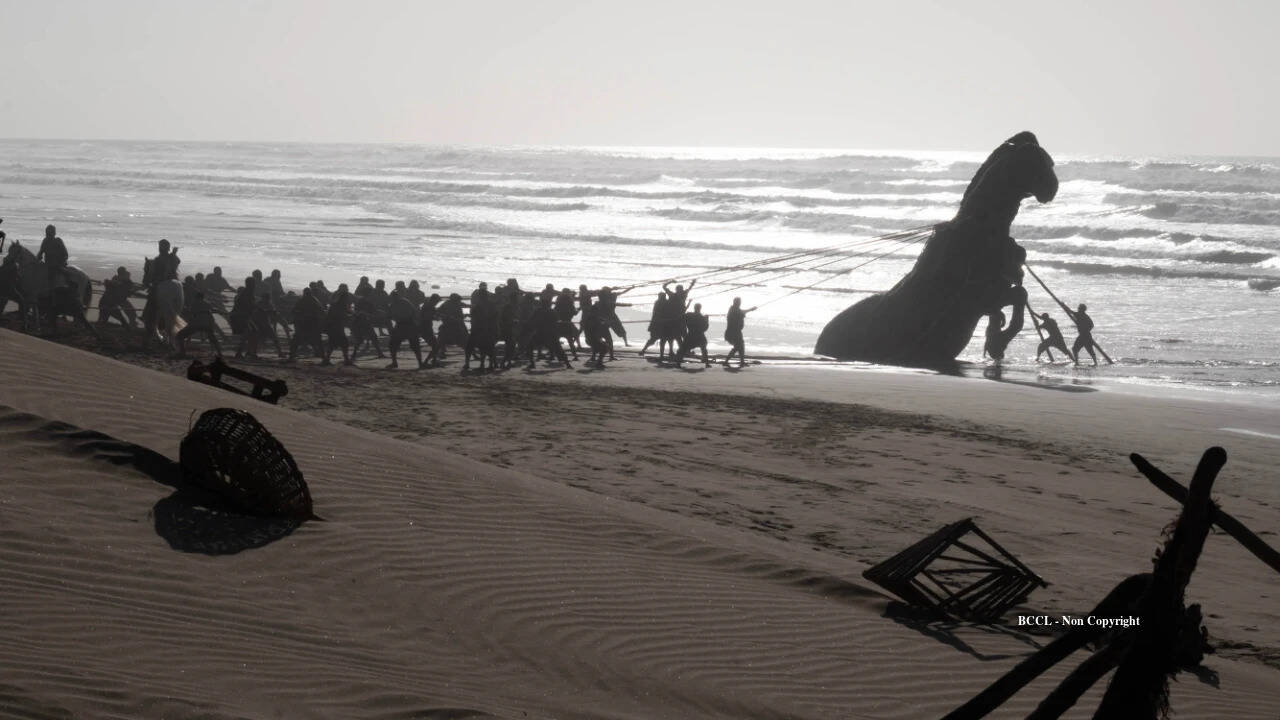
The Trojan horse scene
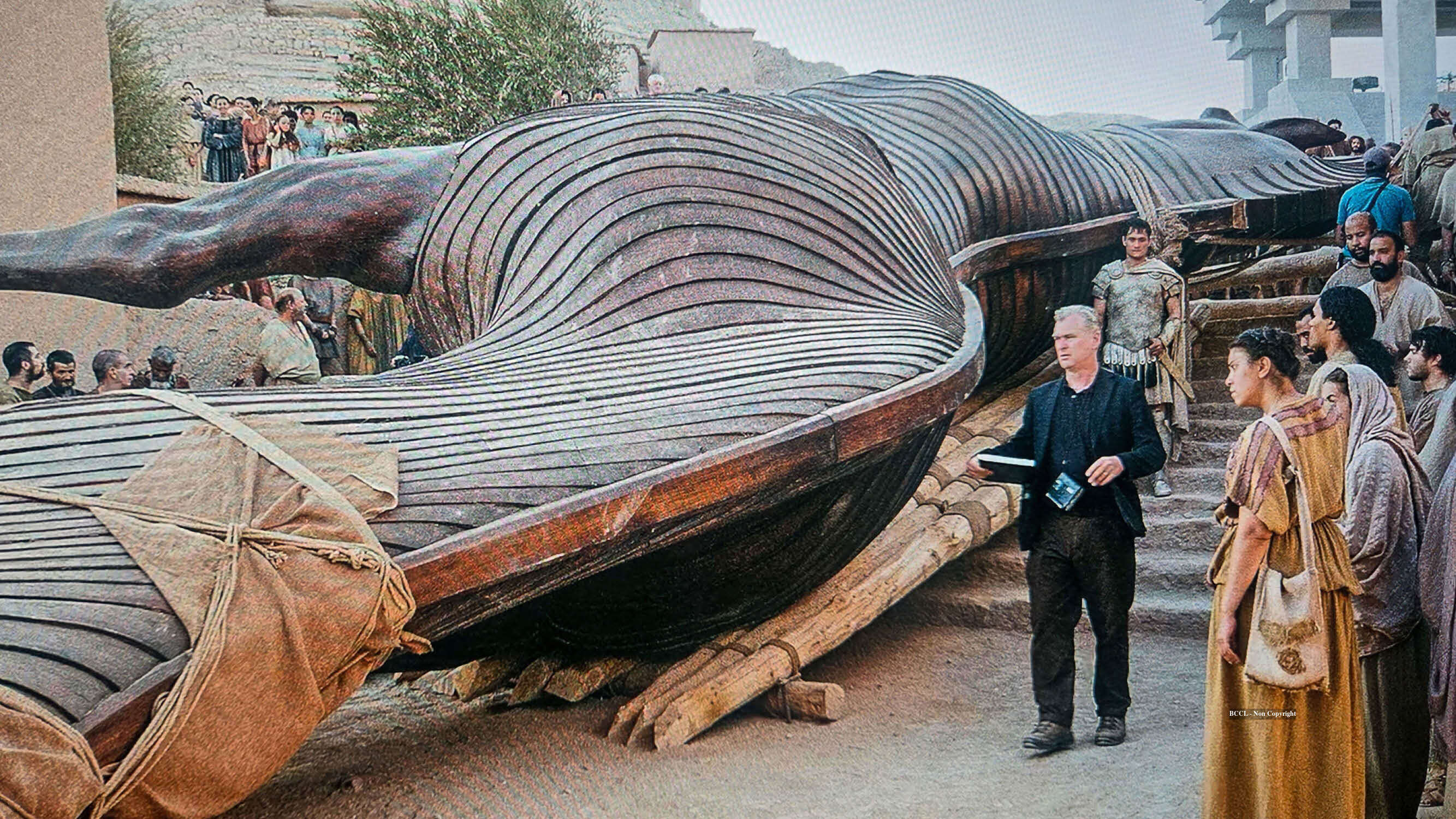
Christopher Nolan didn’t want the horse to be on wheels and wanted it to rival the size of Athena’s temple.
Inside the Trojan Horse Nolan’s version of the beached Trojan Horse – 35 feet tall, half-buried in sand on the Atlantic coast – came to him over 20 years ago. He wanted Troy and the Fall of Troy to be on a colossal scale. The team wanted to build as much as possible, and they found the terraced town of Aït Benhaddou, which had different layers and terraces, and then designed everything around that.Nolan didn’t want the horse to be on wheels and wanted it to rival the size of the temple. It was 35 feet tall and 8,000–9,000 pounds (3600-4000kg). In the film, 100 soldiers pull it – and so the horse was made to be strong, lightweight, and durable.Originally, the entire horse was cut out of foam; then molds were made, from which fibreglass panels were created. Art director Ruth De Jong said, “Chris and I specifically wanted a more sophisticated-looking horse. They’re master craftsmen, and they were sea people. So we took inspiration from ship siding, to make it a sort of Trojan Horse you’ve never seen before.”They moved it from the shore to the town and erected it at the Temple of Athena. On the beach, however, it wasn’t clear whether the horse would survive its scenes as the surf tore pieces off their colossal prop of fibreglass, wood, and steel. As per reports, to create the sequence, Nolan’s team built a sort of silo on the beach, rigging it with tiny LED lights to mimic sunlight leaking through chinks in the horse’s hull. Damon, Jon Bernthal (who played Menelaus), and up to 25 others crammed into the vessel and clung to its crossbeams as cold water pumped in and the silo rocked. Nolan and cinematographer Hoyte van Hoytema were in there too, armed with an IMAX camera to capture the action inside “pretty much like a documentary,” the director said, “a very small, grubby, claustrophobic documentary.“Speaking about the scene, Damon said in an interview, “The day before, I said, ‘We are doing the Trojan Horse tomorrow. How are you going to do that?’ And Chris goes, ‘I don’t know. We’re just going to cram in there and figure it out.’ There is this thing that he does that is so incredible – he understands all of these elements that he’s going to need, but he is not prescriptive about it. You still feel like you’re shooting an independent movie. So, we literally got in there – me and the guys jammed in, and Chris jammed in with Hoyte, and Hoyte had the camera, and we figured it out. And that feeling of claustrophobia, that was all just developing organically. Hoyte was looking through the lens, and Chris was right next to him, and they just built that in real time. If we had planned it out, I don’t think it would have had that same energy.”
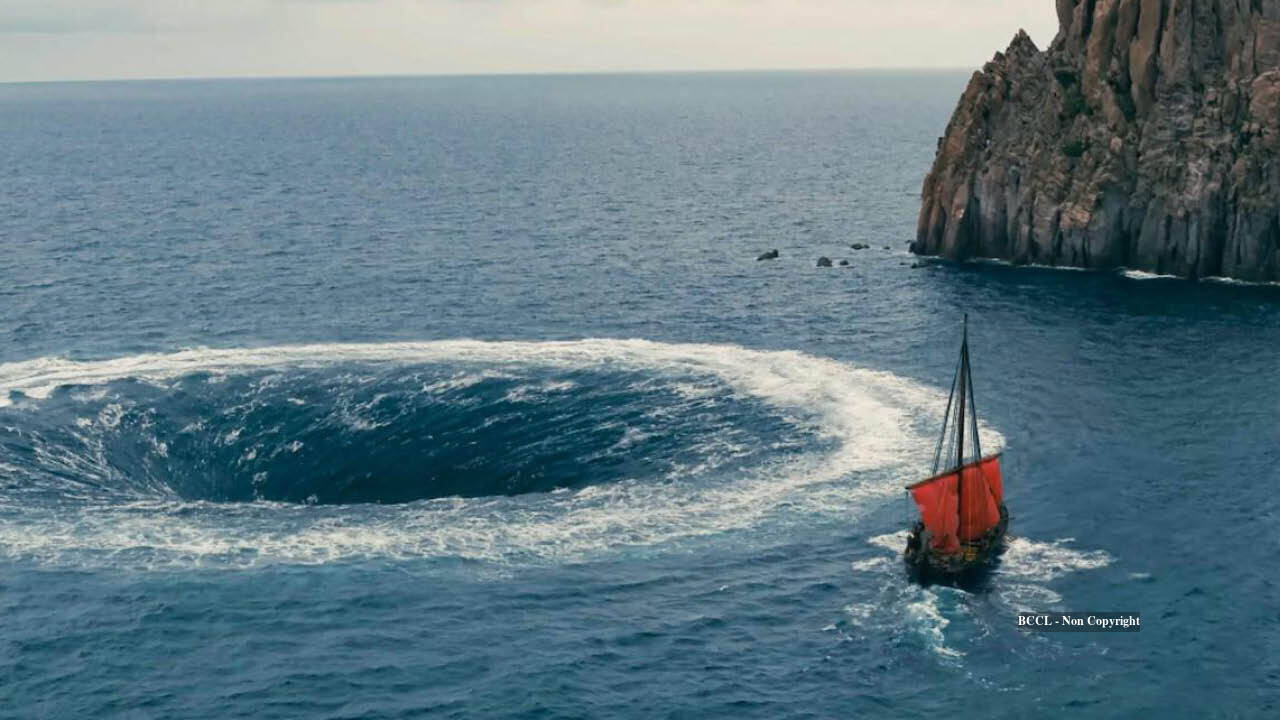
Creating the Charybdis and Scylla
Creating the Charybdis and ScyllaOn their journey, Odysseus and his men have to navigate their ship between the whirlpool Charybdis and the monster Scylla. In a group interview, when Tom Holland asked Damon how they were created without special effects, Damon revealed, “We took the boat to that passage, and Chris had jet skis doing donuts in the water to really create a small whirlpool, so the visual effects could use the actual movement of water as a guide. George Cottle, the stunt coordinator, rigged six ratchets on the actual boat and pulled stunt guys up off the deck of the boat. It was the most incredible thing.”
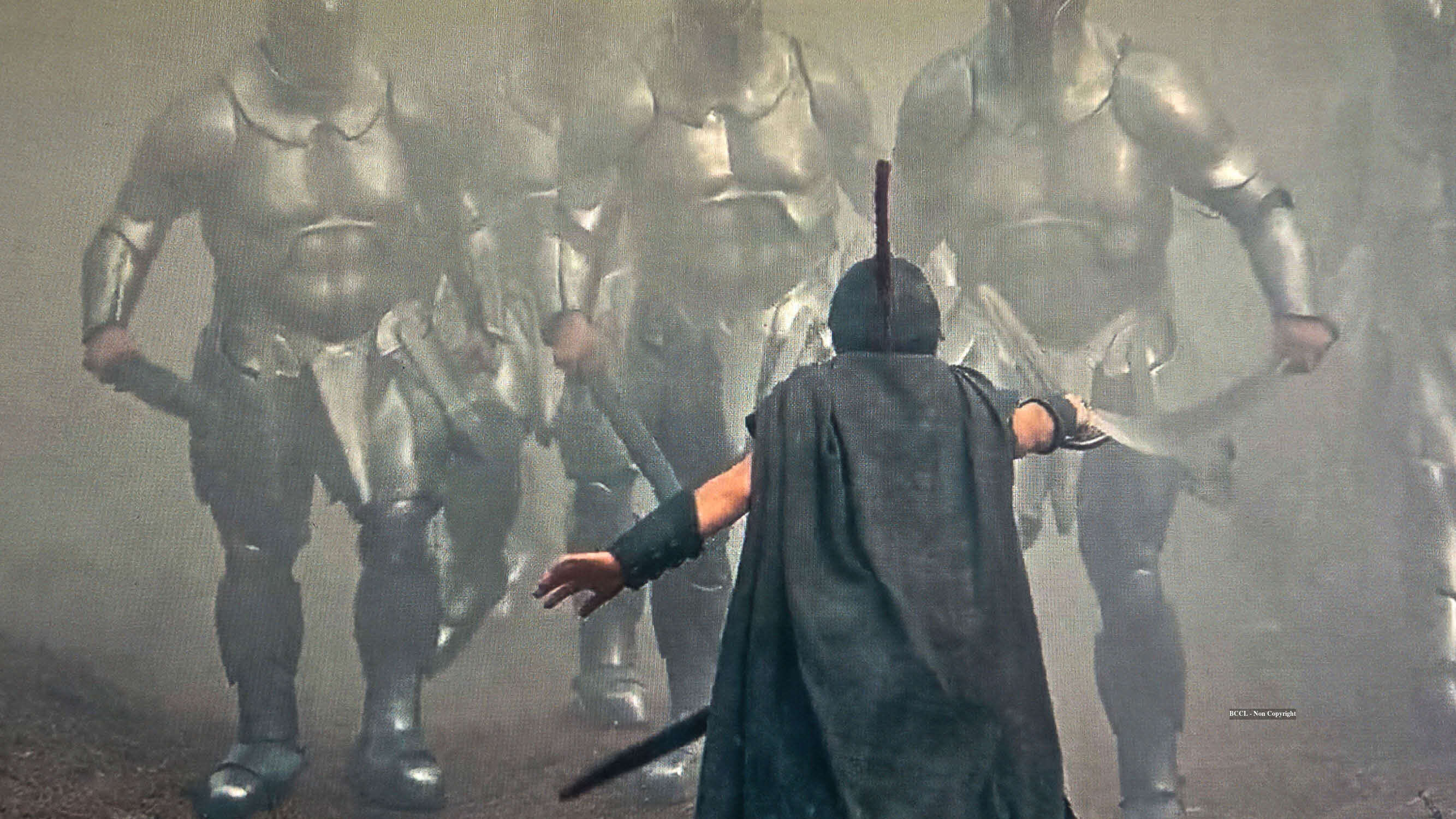
Matt Damon’s stunt double was actually a woman named Devin Dolt, who measures four feet six inches
The giant Laestrygonians sceneWhen the crew land on a mysterious island, giant Laestrygonians kill most of them and sink two of their three ships. In order to make Odysseus and his crew appear dwarfed, forced perspective was used.The scene involved oversized and undersized stunt doubles. For the Laestrygonians, every stunt double was over seven feet tall. For the Greek soldiers, every stunt double was under five feet. Matt’s stunt double was actually a woman named Devin Dolt, who measures four feet six inches. “My double was a woman, a female stunt performer, who had the greatest arms I had ever seen,” Matt said on a podcast. So the person you see on the poster, facing off with the giants? Not Matt Damon.
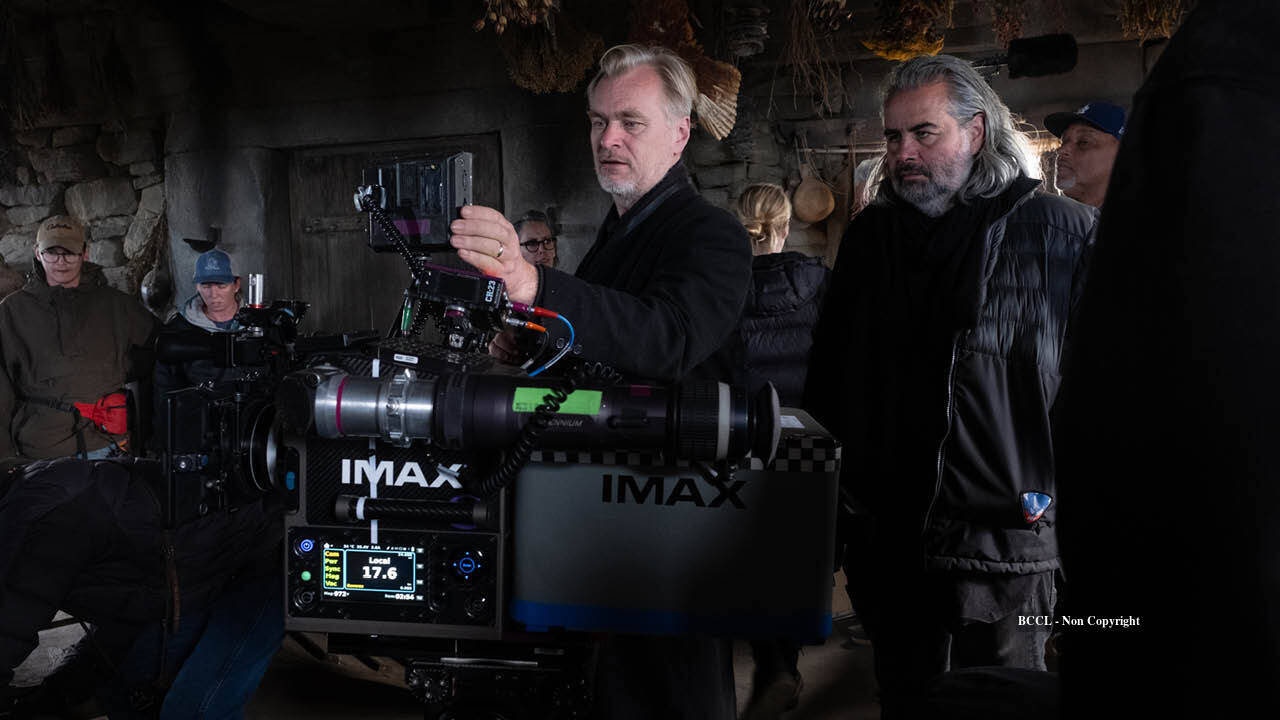
Christopher Nolan and Hoyte van Hoytema on the set of Odyssey
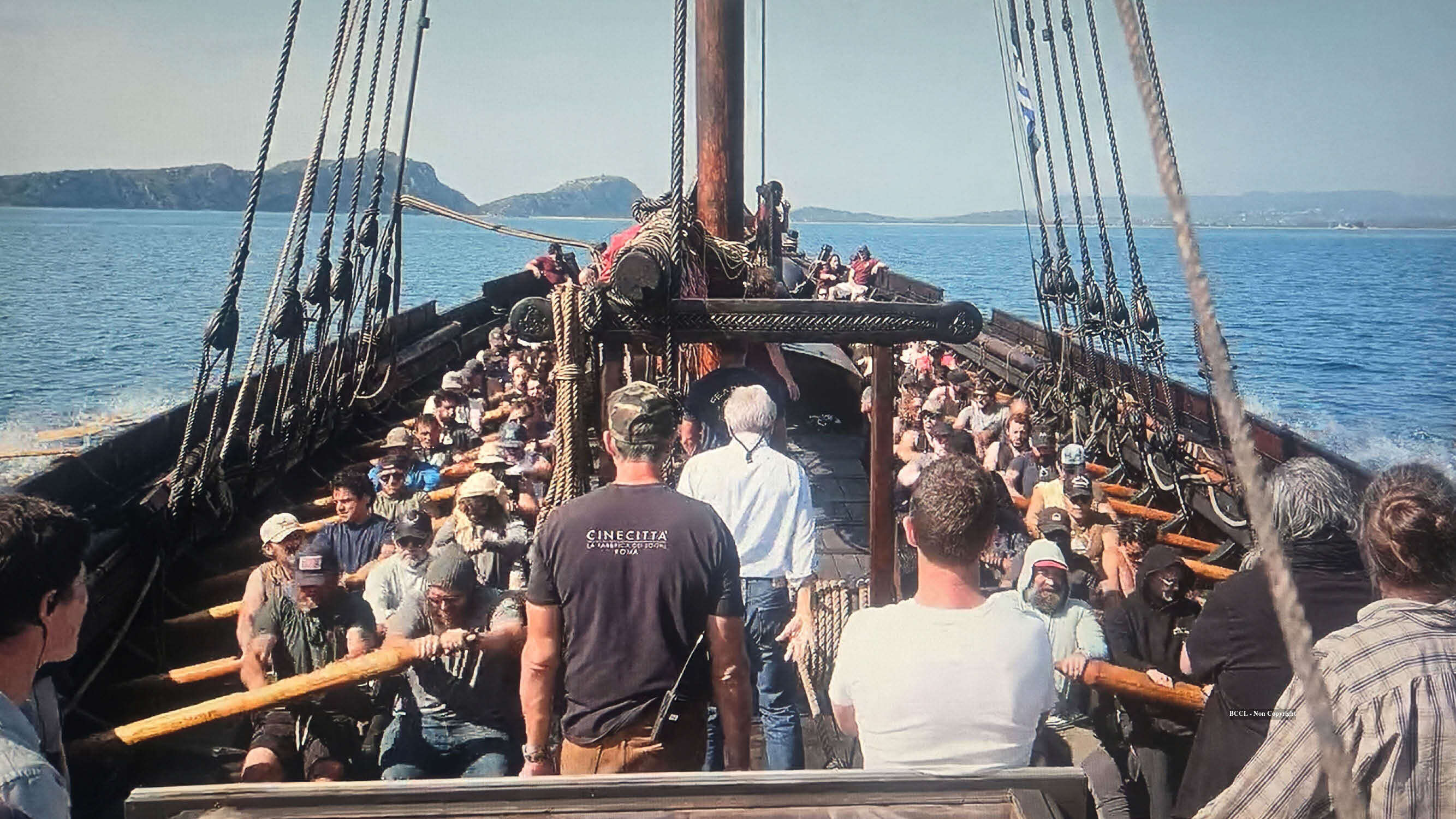
Several cast and crew members got seasick while filming on the boat, and the sickness wasn’t hidden – Van Hoytema captured some of it on camera, and those unscripted moments made it into the final film
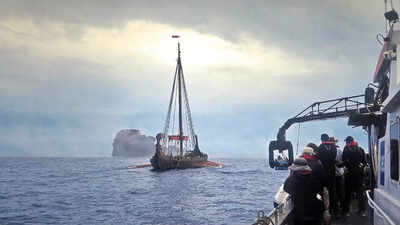
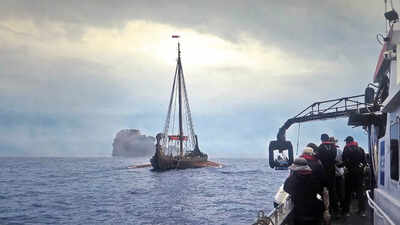
Odyssey had a marine department, a weather person, real sea, and actors rowingOdysseus’s ship, Draken Harald Hårfagre, is a 115-foot Viking ship inspired by archaeological finds and built in Norway with traditional materials and boatbuilding methods – oak, hemp, iron, tar, and silk. The Norwegian Film Commission said “Draken keeps centuries of Norwegian maritime craftsmanship alive – not as a museum piece, but as a ship to sail.”The actors learned to sail and row, trained by Draken’s real crew, who became part of the film themselves. Every actor playing one of Odysseus’s soldiers had to learn to row a ship that size and how to raise its sail.After The Odyssey was released, daily public tours of Draken at its dock in Oslo saw a spike in visitor numbers, as fans came to see the real vessel behind the film.Nolan and crew spent months aboard it, and Nolan has said that the vessel became a character in the film in its own right. As he told the LA Times: “The film needed a wooden vessel, built using ancient technology, that could operate in the open ocean and withstand giant swells. Draken had already proven what she could do by crossing the North Atlantic.”“You never know what the sea is going to do. One day it can be extremely windy and the other, you can shoot on a mirror. We had an incredible marine department keeping a close eye on the tides. We had a special weather person,” cinematographer Van Hoytema told the New York Times.Nolan echoed that difficulty in his own conversation with the Times: “Going on a real boat in a real ocean and filming the actors in that environment, it puts a burden on the visual effects that’s quite high. My visual effects adviser, Andrew Jackson – he found real-world solutions as we go.”The ocean took its toll on the crew, too. Several cast and crew members got seasick while filming on the boat, and the sickness wasn’t hidden – Van Hoytema captured some of it on camera, and those unscripted moments made it into the final film, lending the sequences an added layer of authenticity. “It was incredibly, incredibly difficult,” Nolan said.
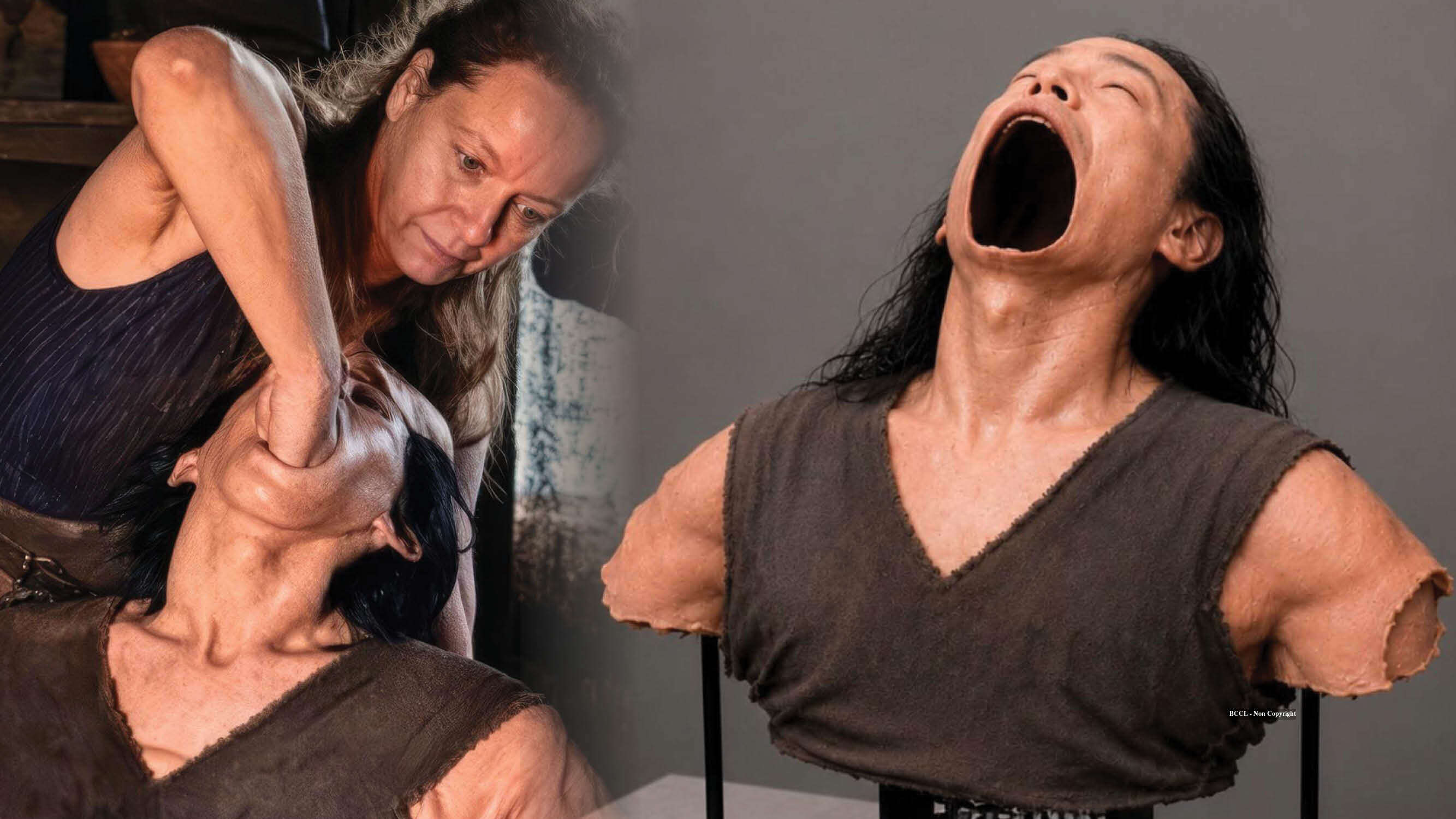
Source: ‘Filming the Odyssey: Inside the Making of Christopher Nolan’s Modern Epic by James Mottham
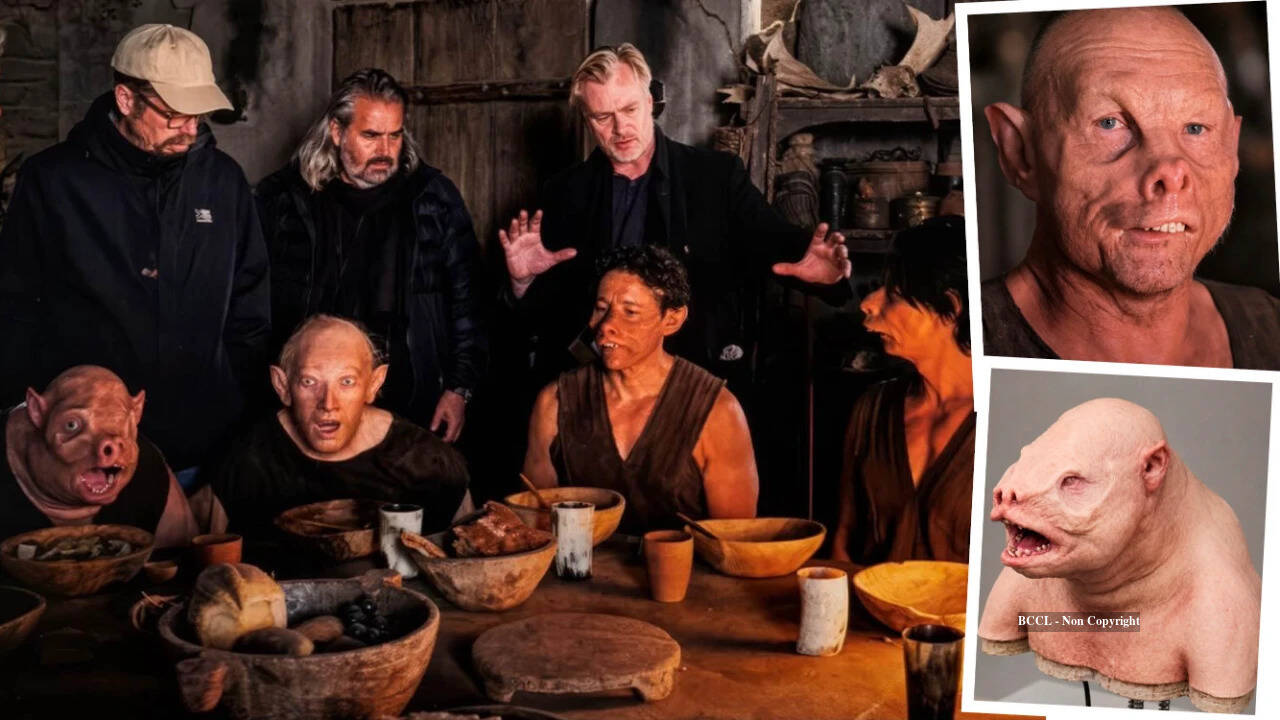
Source: ‘Filming the Odyssey: Inside the Making of Christopher Nolan’s Modern Epic by James Mottham
The disturbing scene where Circe turns the soldiers into pigs was filmed entirely in-camera without any CGI, using practical prosthetics, animatronic rigs, moldable clay models, and clever camera angles. Samantha Morton physically molded the prosthetic faces during filming.
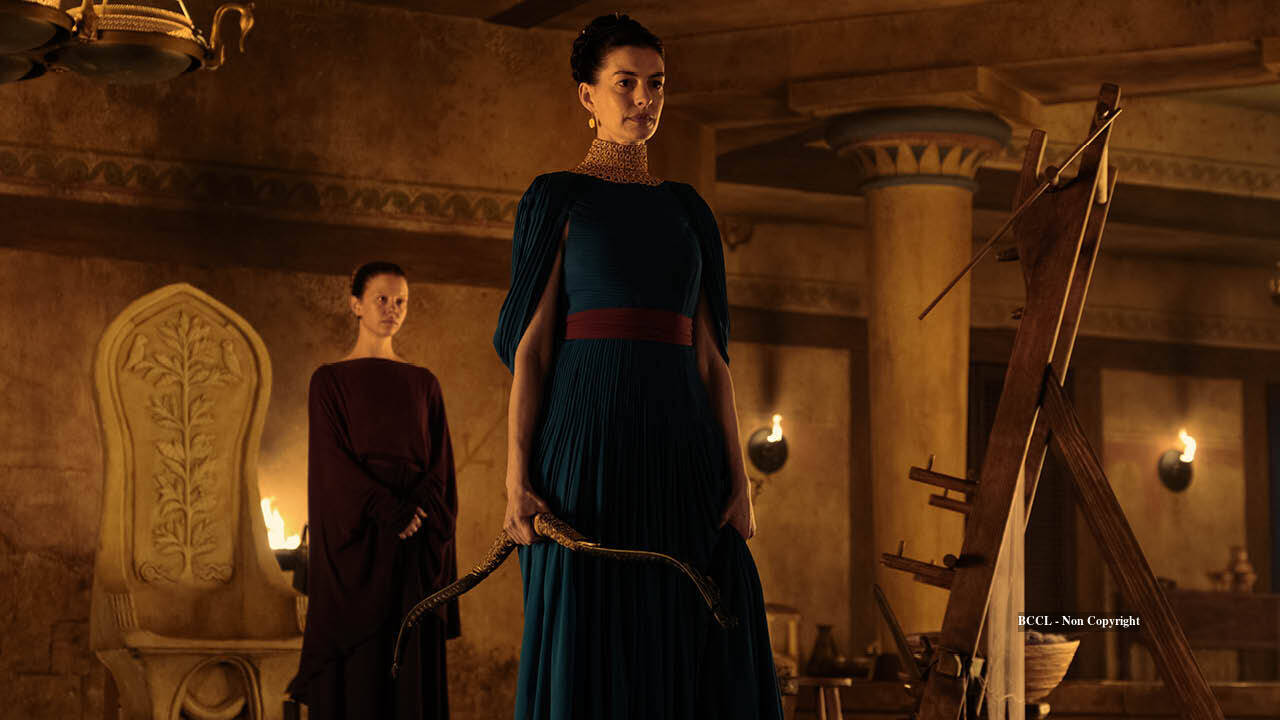
Ithaca’s palace was created around the existing ruins of the Castello di Santa Caterina on Sicily’s island of Favignana, with the production building onto what was already there.
“It didn’t feel like a set. It felt like its own world,” Emma Thomas said in a documentary.Perched on top of a hill, the castle was hardly an easy location to work in. Cast and crew had to make a 45-minute hike up a stony, zigzagging path to reach it each day. Equipment was transported by helicopter, cable and on foot.
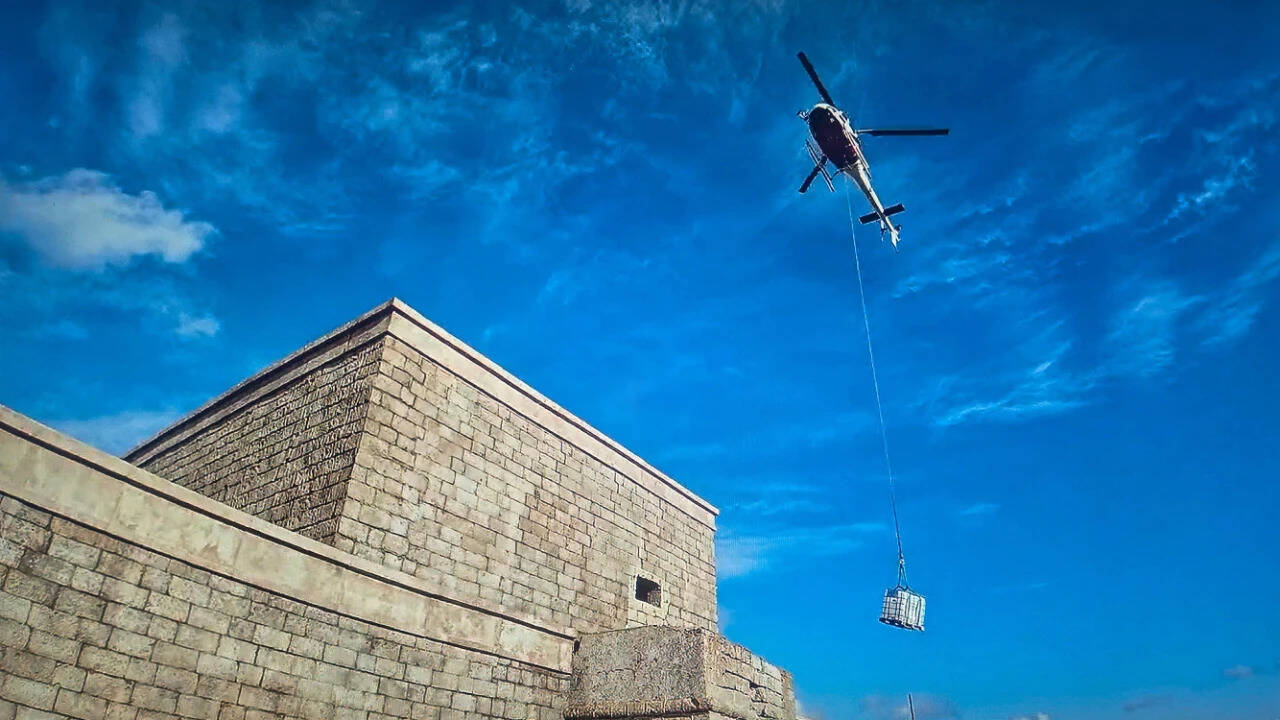
Equipment was transported by helicopter, cable and on foot.
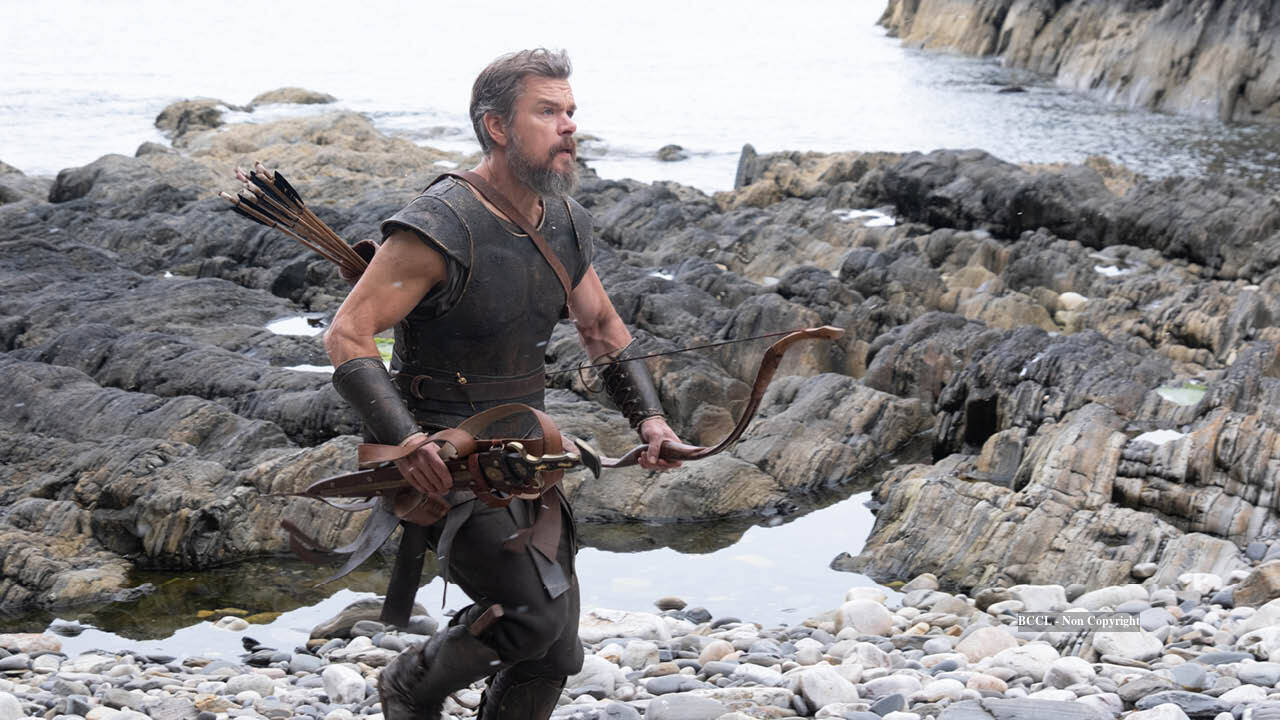
Matt Damon called it the most ambitious movie he’s ever made.
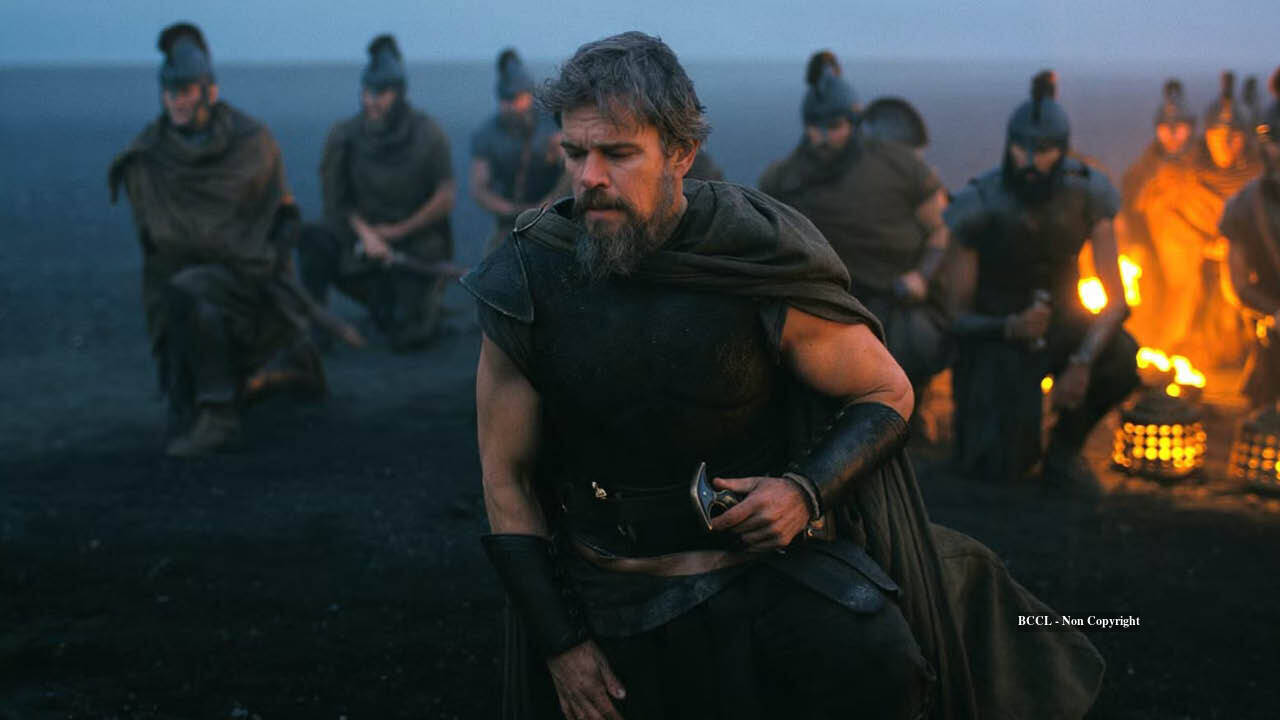
Matt Damon said it became something of a running joke – he’d arrive at a new location and immediately start laughing, wondering who on earth had decided they could shoot a movie there.
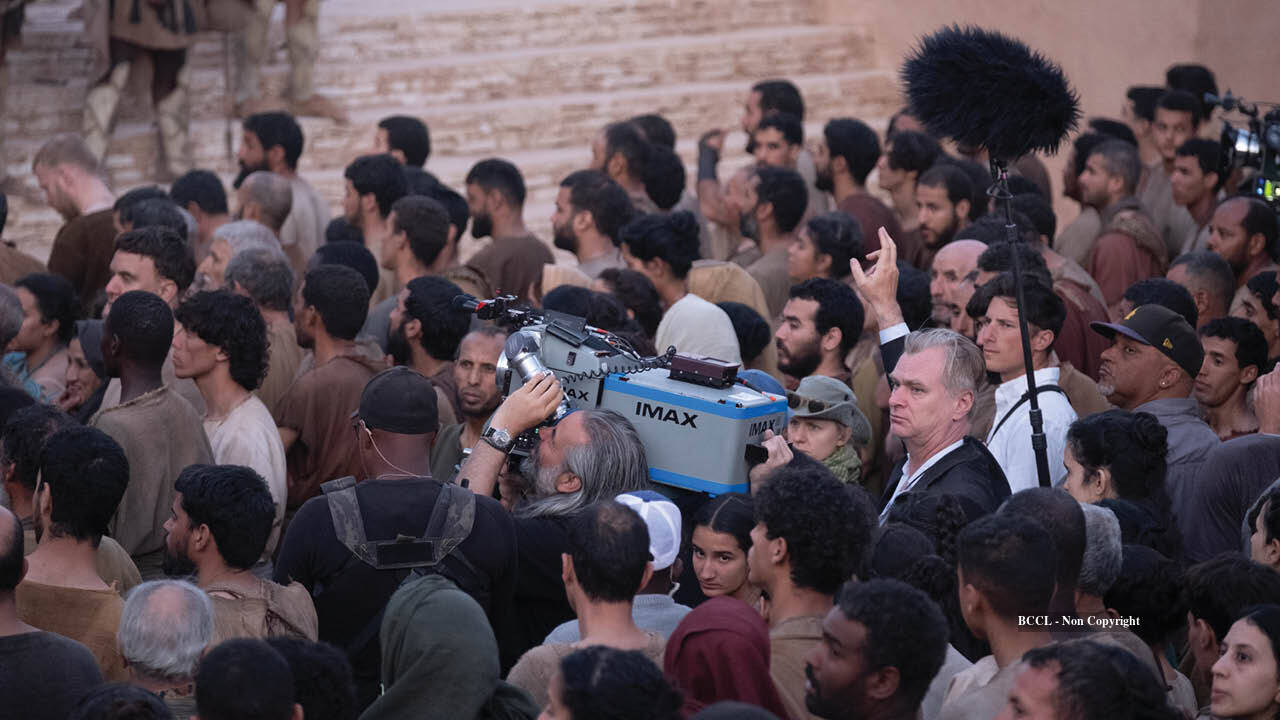
The 91-day shoot took Nolan and his crew across six countries – Morocco, Greece, Italy, Scotland, Iceland and the United States. The shoot moved between countries every couple of weeks, and the real difficulty wasn’t just the travel – it was that so many of these locations were brutal to reach and even harder to actually film in. Robert Pattinson shared in an interview, “In a typical Hollywood production, base camp sits ten seconds from set. On a Nolan film, that ‘ten seconds’ can turn into a 45-minute hike in sandals, done in full costume.” Matt Damon said it became something of a running joke – he’d arrive at a new location and immediately start laughing, wondering who on earth had decided they could shoot a movie there. Zendaya shared the production took her to corners of the world she doubts she’d have ever encountered otherwise.