
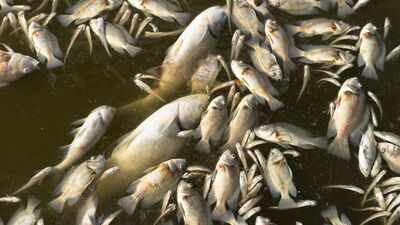
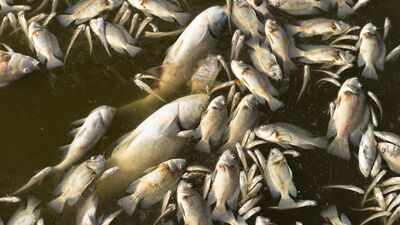
When Sound Transit launched light rail service across the I-90 floating bridge in March 2026, it was celebrated as a major milestone for Seattle’s transit network. For the first time, trains connected downtown Seattle to the Eastside over Lake Washington, promising faster commutes and reduced traffic. Five months later, that success story has been complicated by an unexpected environmental problem. Around 2,000 fish have been found dead near electrical cables and equipment that hang beneath the bridge into the lake. As reported by Axios Seattle, the deaths have raised concerns among biologists, regulators and local residents about how transit infrastructure interacts with one of the region’s most important bodies of water.A new rail line over a sensitive lakeThe I-90 floating bridge is an engineering marvel, a series of concrete pontoons tethered across Lake Washington that carry one of the busiest highways in the Pacific Northwest. When Sound Transit added a light rail line to the bridge, it required new electrical systems to power the trains. Some of that equipment, including cables and related hardware, extends below the bridge deck into the lake.Lake Washington is home to a variety of fish species, including kokanee salmon, cutthroat trout and other native and stocked fish. The lake is also heavily used for recreation, with boats, swimmers and anglers sharing the water year-round. Any large-scale fish die-off in such a visible, heavily used lake quickly draws public attention.What workers and boaters began to noticeIn the weeks after light rail service began, maintenance crews and boaters started reporting clusters of dead fish near the bridge. The fish were often found floating or washed up close to the areas where electrical cables and other transit equipment hang into the water. By late summer, the number of reported deaths had reached about 2,000, according to Sound Transit and state wildlife officials.The timing and location of the deaths suggested a link to the new rail infrastructure. While fish kills can happen for many reasons, including natural causes, disease or low oxygen levels, the concentration of deaths near the electrical equipment pointed to a more specific cause.The suspected role of electrical equipmentInvestigators from Sound Transit, the Washington Department of Fish and Wildlife and other agencies began examining the bridge’s electrical systems. Early findings suggest that some fish may be coming into contact with energised components or experiencing stress from electrical fields generated by the equipment. In some cases, cables or connectors that were intended to be insulated or shielded may be exposing fish to currents that can injure or kill them.The exact mechanism is still under study. It could involve direct electrocution when fish touch live parts, or more subtle effects such as disorientation, muscle spasms or physiological stress caused by electromagnetic fields. Whatever the precise cause, the outcome is the same: large numbers of fish dying in a small area near the bridge.Why this matters for Lake WashingtonLake Washington is not just a scenic backdrop for Seattle. It is a working ecosystem that supports fisheries, wildlife and recreational activities. A die-off of this size, concentrated in one area, can have ripple effects. Predatory fish and birds that rely on smaller fish for food may lose an important source of nutrition. Anglers who fish near the bridge may see reduced catches. And the sight of dead fish floating near a major piece of public infrastructure undermines confidence in how well the project was planned and monitored.There is also a symbolic dimension. The light rail expansion was promoted not only as a transportation improvement but as a step toward a more sustainable region. If that same infrastructure is harming the lake’s fish, it creates a tension between transit goals and environmental stewardship that officials will need to address.The response from Sound Transit and regulatorsSound Transit has acknowledged the fish deaths and says it is working with state and federal agencies to investigate and mitigate the problem. Initial steps have included:Inspecting the electrical equipment beneath the bridge for faults, exposed wiring or inadequate shielding.Monitoring fish mortality on an ongoing basis to track whether the problem is continuing or worsening.Coordinating with fish and wildlife biologists to study the health of the affected fish and test for electrical injury, disease or other causes.Regulators have made clear that they expect Sound Transit to take swift action. If the equipment is found to be noncompliant with environmental permits or wildlife protection laws, the agency could face orders to modify or shut down certain components until the issue is resolved.Possible solutions and their difficultiesTo fix this you need to balance intelligent engineering with what actually works day-to-day. Teams are exploring several potential fixes:Improved insulation: Heavy-duty shielding for submarine cables and hanging connectors.Rerouting hardware: Moving electrical components so that fewer of the parts are directly in the water.Fish deterrents: Installing physical barriers to keep marine life away from high-risk zones.Operational changes: Lowering power levels where feasible without impacting train safety.None of these solutions are simple, and each brings its own set of trade-offs. Adding extra shielding or redesigning equipment gets expensive fast and almost certainly means temporary train delays. Barriers might block natural water flow or look unsightly. And all changes need to be thoroughly tested before being deployed. The last thing anyone wants is a fix that causes more headaches for local wildlife, boaters or train operators.Bigger lesson for infrastructure projectsThe I-90 fish kills are a reminder that even infrastructure projects built with sustainability in mind can have unintended environmental consequences. Models and studies carried out in the planning phase may not accurately predict wildlife responses to new structures in real-world conditions. Fish behaviour, water currents and long term wear on equipment can all create surprises once a project is operating.For future transit and bridge projects in sensitive waters, the Seattle case is likely to be cited as a reason to build in more monitoring, more conservative design margins and clearer plans for rapid response if problems emerge. It also highlights the value of independent oversight and the need for agencies to be willing to pause or adjust operations when environmental harm becomes apparent.What happens nextIn the short term, the focus is on stopping the ongoing fish deaths. Sound Transit and its partners will continue inspections, testing and monitoring through the fall. If a specific fault or design flaw is identified, repairs or retrofits could begin as soon as parts and crews are available.The incident could lead to changes in how Sound Transit designs and maintains electrical systems on floating bridges and other lake crossings in the longer term. It could also affect the permitting for future projects with tighter rules on underwater electrical equipment and more rigorous monitoring after construction.For Seattle, a test of valuesFor many Seattle residents, the fish deaths near the I-90 bridge are more than a technical problem. They are a test of how the region balances progress and protection. Light rail is a point of pride, a symbol of a city investing in alternatives to cars and congestion. Lake Washington is also a point of pride, a place where people swim, boat, fish and find respite from urban life.The challenge now is to show that both can coexist. Fixing the electrical issues, being transparent about what went wrong and taking responsibility for the environmental impact will be essential if the public is to trust that the region’s push for more transit does not come at the expense of the waters that define it.