
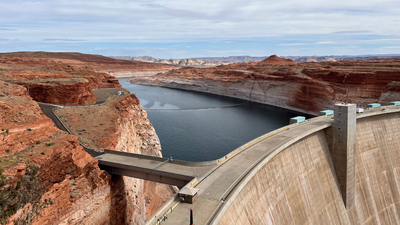
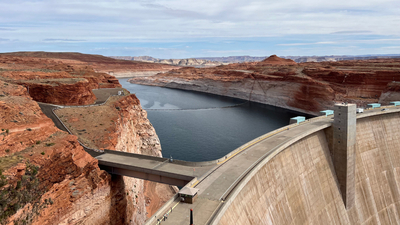
For eight days in 1996, the Colorado River through the Grand Canyon experienced something unusual: a deliberately created flood. Scientists working with the U.S. Geological Survey (USGS) and other agencies used Glen Canyon Dam to release water at rates reaching 45,000 cubic feet per second, creating a massive controlled flood experiment in the canyon. The experiment was designed to answer a specific question: could a carefully timed surge of water recreate some of the natural processes disrupted by the construction of the dam? According to USGS records, the high-flow release was intended to move sediment through the river system and rebuild sandbars along the canyon.
Why the river had changed
Glen Canyon Dam was completed in 1963, fundamentally altering how water moved through the Colorado River below the dam. Before the dam, seasonal floods regularly pushed large quantities of water and sediment through the Grand Canyon. These high flows helped reshape the river channel and build sandbars along its banks. The dam changed that pattern by regulating the river’s flow. It also trapped much of the sediment carried by the Colorado River in Lake Powell, leaving less sand available downstream. As a result, many sandbars became vulnerable to erosion. Scientists began investigating whether controlled releases from Glen Canyon Dam could partially reproduce the physical effects of natural floods.
An artificial flood
The 1996 experiment was carefully planned rather than being an uncontrolled release. The river initially remained at about 8,000 cubic feet per second. The release was then increased rapidly, eventually reaching 45,000 cubic feet per second. USGS records show that the dam reached the high-flow stage on March 26, 1996, and maintained the high discharge for approximately 167 hours, or nearly seven days. The overall experimental sequence extended from March 22 to April 8 as the river moved from low flow to the high-flow period and then back down again. The enormous volume of water produced a flood wave that travelled downstream through the canyon. Scientists monitored how the wave changed as it moved away from Glen Canyon Dam.
How the sandbars responded
The flood’s importance came from what the water did to sediment. As the river rose, its increased speed and energy could pick up sand from the riverbed and transport it downstream. Some of that sediment could then be deposited along the river’s margins and on existing sandbars.The objective was not simply to make the river higher. Scientists wanted the flood to redistribute sediment already available in the river system and place some of it where it could contribute to sandbar formation. Surveys and measurements around the experiment helped researchers determine how much sediment was moved and where it ended up.
Why sandbars matter
Sandbars are an important part of the Grand Canyon’s river environment. They provide relatively flat areas used by river runners as campsites and contribute to habitat along the river corridor. Their condition can also affect archaeological and cultural resources located along the river. For scientists, sandbars are therefore part of a larger sediment system connecting the riverbed, riverbanks and surrounding canyon.
The legacy of the 1996 flood
The experiment demonstrated that dam operations could be used to manipulate river flows for ecological purposes. It did not permanently restore the Grand Canyon’s natural flood regime. A single controlled flood could move sediment and temporarily rebuild or enlarge sandbars, but later river flows could erode those deposits. The experiment instead helped establish a new approach to river management: using carefully designed high-flow releases when sufficient sediment is available. Later controlled floods in the Grand Canyon built on lessons from the 1996 experiment. Scientists continued studying when these releases are most effective, how much sediment they can move and how long their effects last. The 1996 event therefore represented more than an extraordinary release of water. It was a large-scale experiment in whether humans could use a dam not only to control a river, but also to restore some of the natural processes that the dam had disrupted.