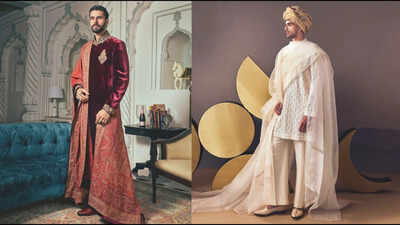
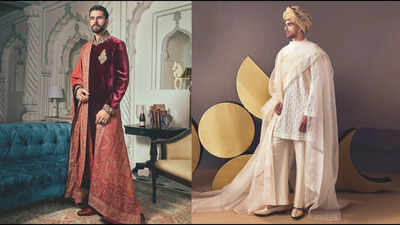
A groom’s shawl or a dupatta has always been a complementary accessory — either matching the bride’s lehenga and saree or his own sherwani. However, this humble piece of fabric has gone from being an added accessory to a full-fledged statement accent. “Grooms are becoming more conscious of the details they wear and are looking at ways to make their wedding attire more personal, and the dupatta is a part of this shift,” shares Shilpi Gupta, fashion designer, founder & director of House of Shilpi gupta
Comfort, seamless draping of the fabric, and the right length are key factors to consider when choosing a shawl. The embroidery on the shawl should also be chosen keeping the overall outfit in mind. Your shawl need not match the sherwani. A complementary shade can add depth to the look. Try the complete ensemble before finalising it
Shilpi Gupta, fashion designer
Grooms are open to experimenting
It is no longer about simply choosing the right shawl, tells Gulshan Singh, a fashion stylist. “It’s equally about how it is styled. Grooms are moving beyond the conventional drape around the neck and experimenting with different ways of wearing it. They are open to trying a variety of drapes, colours, fabrics and styles.”Grooms are also more willing to experiment with embroidery, heavy detailing, interesting borders and traditional craftsmanship. Designers and grooms are experimenting with a wide variety of fabrics, too. Silk, tissue, brocade, and organza are some of the commonly used fabrics, with velvet rendering a richer look. “I particularly like fabrics that allow embroidery and hand detailing like silver zari with gold finishing or freshwater pearls to stand out. It is interesting to see how these elements can bring a different richness to textiles,” says Gupta.
Personalisation is a key factor
Grooms can feature initials, wedding dates, and motifs connected to the couple or their family to make a dupatta or a shawl feel special. “There is also wide scope to explore traditional Indian, heritage-inspired motifs like peacocks, lotuses, jharokhas and jaalis and craftsmanship rather than limiting personalisation to names and initials,” Gupta suggests. “These details can be interpreted beautifully on a groom’s shawl, giving it a more individual character while retaining its traditional appeal.”
Get the dupatta styling right
- The choice of fabric, embellishment and overall weight should depend on the occasion. While choosing a shawl, consider the silhouette and overall aesthetic of the outfit
- For the pheras, grooms can opt for elaborate shawls featuring intricate embroidery, zari work, rich borders or traditional embellishments that complement the ceremonial grandeur of the occasion. Silk, velvet and brocade lend themselves beautifully to elaborate wedding looks
- For daytime functions such as the haldi, opt for lighter fabrics, minimal embellishment and more comfortable drapes
- For sangeet celebrations, opt for a dupatta with mirror work, sequins, metallic detailing and playful embellishments
(Tips by Gulshan Singh, fashion stylist)