
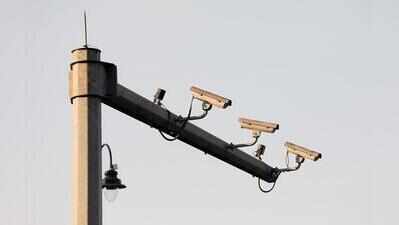
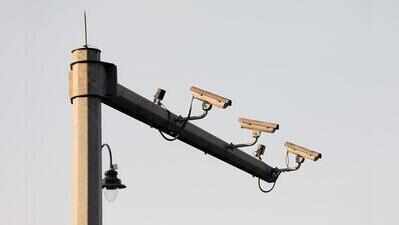
Panaji: State govt will review the performance of Goa’s AI-enabled traffic enforcement system, which came into force on Aug 1, with an interdepartmental committee expected to meet next week to assess violation data and decide the next course of action.The committee will be chaired by the transport secretary and include the principal chief engineer of the PWD and the superintendents of police of North Goa, South Goa and Traffic. The director of transport, Arvind Khutkar, will be the member secretary.“The assessment will examine the challans, nature of violations, vehicle registration states, compliance levels and whether the enforcement campaign is producing behavioural changes,” Khutkar told TOI.The system has been recording 500-600 violations for several days. Offences include driving without a seatbelt or valid insurance, riding without a helmet, triple-riding, and using a cellphone while driving.Insurance violations, however, have declined, from 130 cases on Aug 12 to about 74 on Aug 16 and 30 by the morning of Aug 17.“The AI-enabled cameras appear to be bringing greater discipline on the state’s roads with a noticeable reduction in violations and improved compliance among motorists in Goa. Even visiting vehicles bearing registration numbers from Maharashtra, Karnataka, Delhi, Jharkhand, Madhya Pradesh and other states are now also showing signs of improved compliance,” Khutkar said.The cameras are deployed at selected high-density, high-risk locations, and critical intersections identified through road-safety assessments by the PWD, traffic police and district road safety committees. Accident data from the Electronic Detailed Accident Report (eDAR) system is also used to identify vulnerable locations.“Goa records an average of roughly 270 to 290 road accident deaths a year. Between 2022 and 2025, road fatalities declined by about 17%, and the overall number of accidents also came down. We are hopeful that the AI-enabled cameras will instill further discipline and further reduce the accident numbers,” he said.