
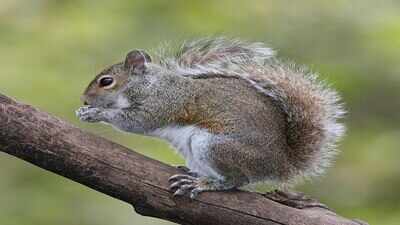
Another group of red squirrels in Scotland has been infected by a lethal virus carried by grey squirrels that does not affect them. The virus was identified in an adult red squirrel in Dollar, Clackmannanshire, following a post-mortem examination.According to Saving Scotland’s Red Squirrels, researchers at the University of Edinburgh’s Royal (Dick) School of Veterinary Studies identified the cause of death as the squirrelpox virus. It is the second confirmed case north of the Central Belt of Scotland in the past two years. This implies that the virus has now spread beyond its previous range into regions where there are some other isolated populations of red squirrels.The charity said the infection was confirmed after a post-mortem at the University of Edinburgh’s Royal (Dick) School of Veterinary Studies, which found squirrelpox virus in the animal. It warned that the disease is now appearing beyond its earlier strongholds, raising concern for smaller, isolated colonies of red squirrels in central Scotland.The recent squirrelpox case came weeks after members of the public spotted sick red squirrels with facial lesions in Dollar Glen. Some wildlife organisations say the current case may be part of a wider outbreak, with another case reported in Devilla Forest in Fife.Why squirrel pox is such a lethal disease for red squirrelsSquirrelpox affects Britain’s two squirrel species very differently. Grey squirrels carry the virus without being significantly affected. Red squirrels do not possess any immunity against this virus.When red squirrels are affected by squirrelpox, ulcers, scabs, and oozing sores can appear around the eyes, mouth, paws, and other parts of the body. It becomes extremely difficult for them to eat, drink, or even move around. The infected red squirrels normally do not survive beyond two weeks. The disease is harmless to humans and pets. But the consequences it holds for the wildlife are serious. Outbreaks of the disease have caused sharp declines in red squirrel populations.According to Saving Scotland’s Red Squirrels, when the disease exists, the grey squirrel population replaces the red squirrel population 20 times faster than it would due to food and habitat competition alone.
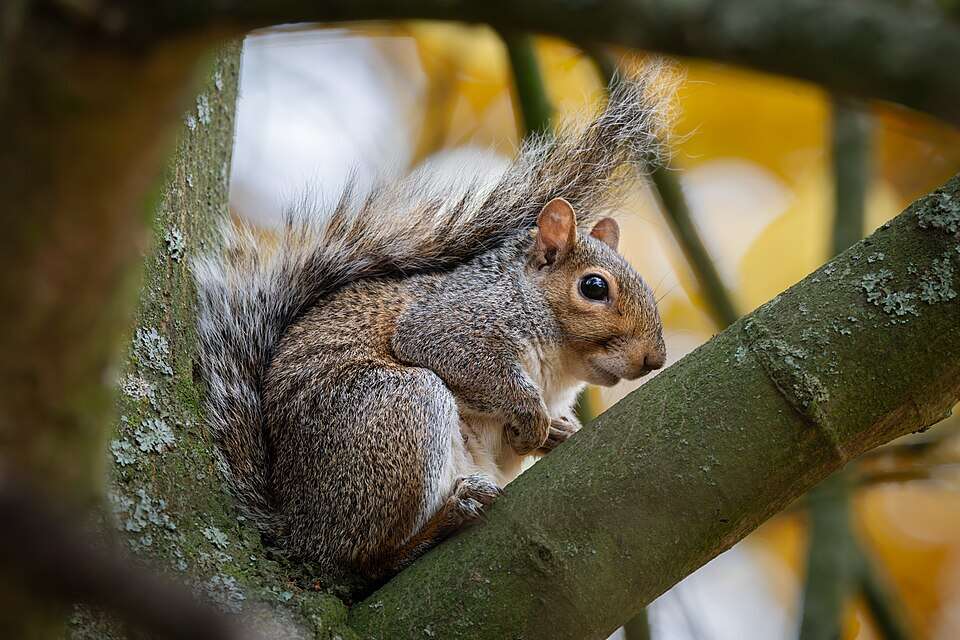
A grey squirrel (Sciurus carolinensis). Image Credit: Wikimedia Commons
Scotland is now the final stronghold for the speciesScotland now plays host to over three quarters of the UK red squirrel population that still survives, putting the nation at the forefront of conservation efforts. Grey squirrels, which are believed to have been brought to Britain from North America in the Victorian era, have since spread across the country over more than a century. Besides being a carrier of the squirrelpox virus, they are also more efficient in competing for food sources and woodland habitat, leading to the displacement of red squirrels in England and Wales.It has been claimed that the squirrelpox virus is now one of the main threats to the red squirrels of Scotland. Although conservation programmes have managed to save several places from grey squirrels, the recent discovery indicates that the disease is now spreading to places where it was previously not present.Scientists are afraid of a further northward movementThe infection is significant because it was found almost 15 miles from the last confirmed case near Dunfermline in 2024.According to veterinary pathologists from the University of Edinburgh, photographs and videos of other sick squirrels in the region have led them to suspect there may be more infected squirrels than official data suggests. This is due to the fact that squirrelpox cannot be confirmed without laboratory confirmation after death. The University of Edinburgh has asked people to help identify dead red squirrels and send them for post-mortem tests whenever possible. They say public help is crucial to the process.Challenges in genetics increase the dangerThis epidemic hits a challenging period for the population of red squirrels in Scotland.According to a recent study conducted by researchers from the University of Edinburgh, red squirrels in Scotland have some of the most genetically diverse genes ever observed in comparable populations of wild animals. Genetic diversity is a key factor in adapting to pressure from the environment, including new diseases. According to a recent University of Edinburgh study, red squirrels in Scotland have unusually high genetic diversity compared with similar wild populations. The paper argues that conserving multiple colonies is crucial because low population size and isolation could erode the species’ ability to cope with future disease and environmental change.Based on this study, the researchers found that low genetic diversity could decrease the capability of red squirrels to gain resistance to squirrel pox.Residents are being asked to assist in reducing transmissionEnvironmental organisations have asked residents in affected parts of Clackmannanshire to temporarily remove garden wildlife feeders, because feeding stations can increase transmission risk.The sentence is slightly awkward and could be tightened for clarity. People willing to join efforts to monitor the populations of squirrels and to manage grey squirrels are also being sought.Conservationists say rapid surveillance, local volunteers, and grey squirrel control can help slow the spread of squirrelpox. The discovery of the virus in an unaffected area makes early detection key to preventing its spread.