
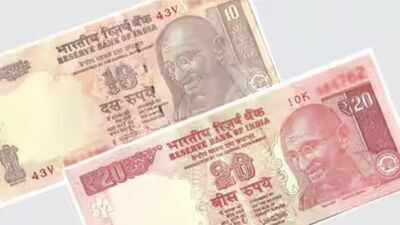
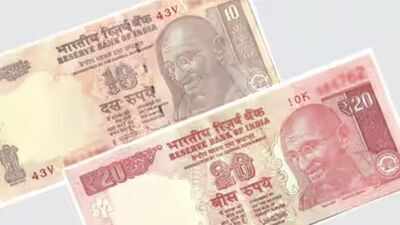
India may soon be joining the list of countries that use polymer (plastic) currency. The government has approved the printing of an initial batch of 2 billion polymer banknotes by the Reserve Bank of India (RBI) for field trials. Minister of State for Finance Pankaj Chaudhary informed the Lok Sabha that the RBI will print one billion Rs 10 notes and one billion Rs 20 notes. He also clarified that there is currently no proposal to replace paper currency entirely, and both paper and polymer notes will continue to circulate together if the trials are successful.The RBI has also floated a tender to procure the material needed for polymer banknotes, reviving a proposal that has been under consideration for nearly two decades. Explaining the move, Chaudhary said, “As per international studies, RBI has informed that the life span of the polymer banknotes is found to be significantly higher when compared to the life span of paper banknotes. Introduction of polymer banknotes is in the initial stages.”Polymer banknotes are made from a durable plastic film instead of the cotton-based paper traditionally used for currency. They are more resistant to water, dirt and everyday wear and tear, and can also incorporate advanced security features that make them more difficult to counterfeit.
Here are some countries that use polymer banknotes, either for all denominations or for selected ones:
AustraliaAustralia has been using polymer banknotes for many years and now issues all of its circulating banknotes on polymer.CanadaCanada introduced polymer banknotes to improve durability and strengthen security against counterfeiting. Today, all of its regularly circulating banknotes are printed on polymer.United KingdomThe UK gradually replaced paper currency with polymer banknotes. Its £5, £10, £20 and £50 notes are now all made of polymer.New ZealandNew Zealand has used polymer banknotes for decades. The country’s central bank says they are more durable, cleaner and more secure than paper notes.Singapore and BruneiSingapore introduced polymer banknotes in the 1990s, while Brunei also uses polymer notes. Under a currency interchangeability agreement, Brunei and Singapore banknotes are accepted at par in both countries.VietnamVietnam uses polymer banknotes for most of its higher denominations. The switch has helped improve the lifespan of notes in circulation.RomaniaRomania has been using polymer banknotes across its circulating denominations for several years.NigeriaNigeria has introduced polymer banknotes for selected denominations as part of efforts to improve the durability of frequently used currency.MalaysiaMalaysia uses polymer banknotes for selected circulation and commemorative denominations.Other countries that use polymer banknotesSeveral other countries also use polymer currency, including Papua New Guinea, Fiji, Solomon Islands, Samoa, Vanuatu, Maldives, Mauritius, Chile, and Trinidad and Tobago, among others.Also Read:Power bank catches fire on China Eastern Airlines flight; video raises concerns about lithium-ion batteries: List of things not allowed in flightWoman looking for a hotel accidentally messages women’s jail; response goes viralIf India’s field trials prove successful then the country could join the growing list of nations using polymer banknotes. However, as the government has clarified, the initiative is currently limited to field trials, and paper currency will continue to remain in circulation alongside polymer notes.