
Queensland has secured major portions of three vast cattle properties across Cape York and the Gulf of Carpentaria, adding almost 396,000 hectares to the state’s protected area network. The Queensland Government says in a press release that the acquisitions cover 137,000 hectares of Kendall River Station, 90,000 hectares of Westmoreland Station, and 169,000 hectares of Cliffdale Station. The land contains nationally significant wetlands, savanna woodlands, permanent waterholes, and habitat for threatened wildlife, including the palm cockatoo and grey falcon.The deal was delivered through a partnership between the Crisafulli Government and The Nature Conservancy, with the Albanese Government contributing $3.5 million toward Westmoreland Station through its Protecting Important Biodiversity Program. The acquisition is one of the largest recent conservation purchases in northern Australia and is intended to safeguard habitat for future generations. Read more details about it here:
Three stations, one conservation goal
Kendall River Station covers 137,000 hectares and protects important swamp mahogany and Darwin stringybark ecosystems. The Queensland Government says the property also provides habitat for species including the palm cockatoo and white-bellied sea eagle.Westmoreland Station adds another 90,000 hectares and supports threatened wildlife such as the endangered Carpentarian grasswren, grey falcon, and purple-crowned fairywren. These birds depend on intact savanna, riparian zones, and wetland systems, making large-scale habitat protection especially important.Cliffdale Station is the largest of the three acquisitions at 169,000 hectares. It contains 174 wetlands, and 93 percent of the property has been identified as having high or very high aquatic conservation value.
Why wetlands matter
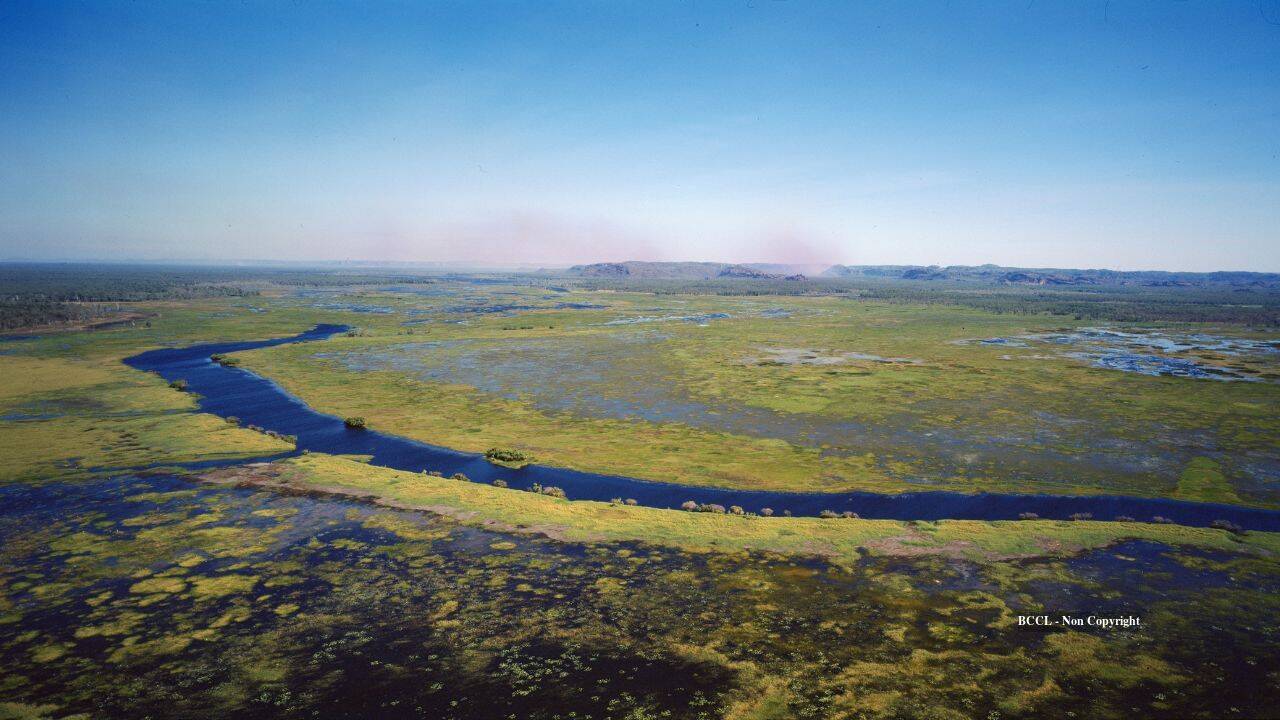
representative image
Wetlands are among the most valuable ecosystems in northern Australia. They provide water during dry periods, support fish and invertebrates, filter nutrients, and create feeding and breeding habitat for birds, reptiles, amphibians, and mammals.Cliffdale’s 174 wetlands make it a particularly important addition to Queensland’s conservation estate. The fact that 93 percent of the station has high or very high aquatic conservation value suggests that the property contains an unusually rich network of freshwater habitats. Protecting these systems can also benefit surrounding communities. Healthy wetlands help maintain water quality, reduce the impact of floods, and support the ecological processes that sustain wildlife across the wider landscape.
A boost for threatened birds
The acquisition is especially significant for threatened birds. The palm cockatoo, found in Cape York, relies on mature woodland and nesting hollows, while the grey falcon needs large, undisturbed hunting territories across arid and semi-arid landscapes.
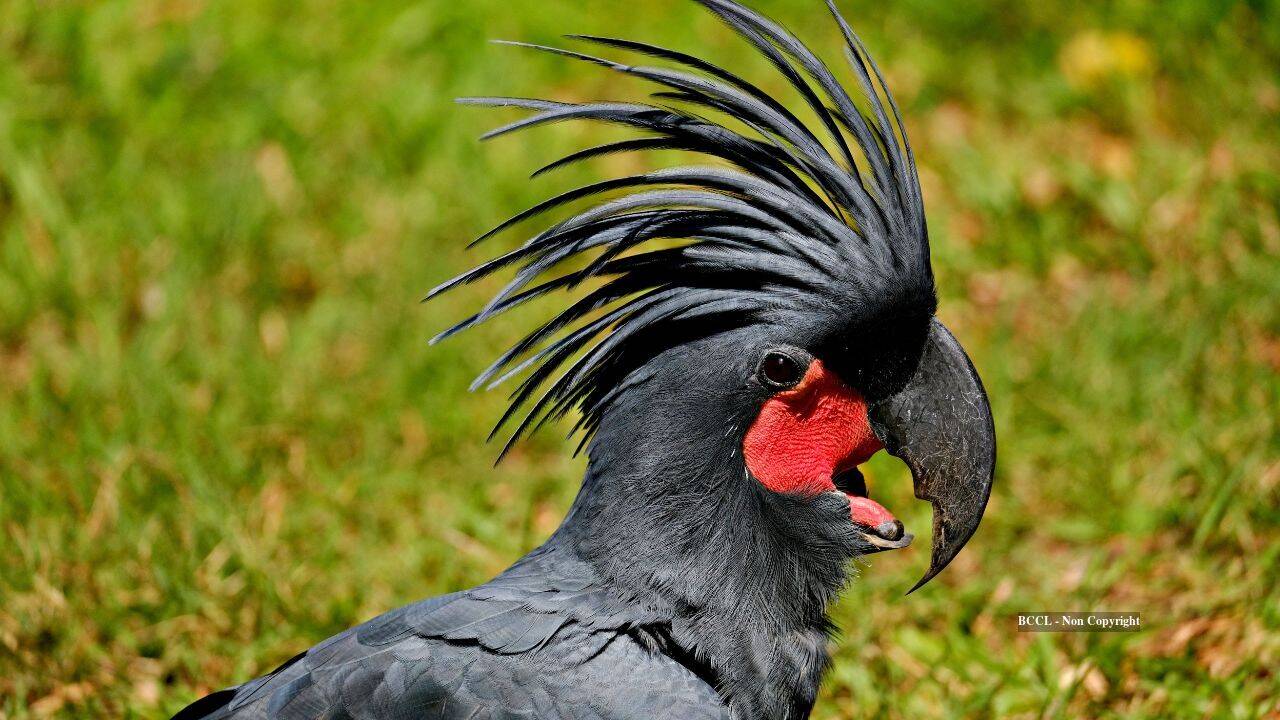
palm cockatoo
Another major beneficiary is the endangered Carpentarian grasswren. The species is endemic to northern Australia and is reliant on specific grassland and savanna habitats, hence large contiguous reserves are critical for its persistence. The purple-crowned fairywren, by contrast, is strongly associated with riparian vegetation along waterways. Protecting permanent waterholes and surrounding habitat can help maintain the conditions this colourful bird needs to breed and persist.
A partnership model for conservation
The purchase was made possible through cooperation between government, conservation organisations, and private philanthropy. The Crisafulli Government worked with The Nature Conservancy, while the Albanese Government contributed federal funding to Westmoreland Station.The Nature Conservancy received support from the Wyss Foundation and Holdfast Collective for the purchases. Wyss Foundation President Molly McUsic said the areas are home to numerous threatened birds, wetlands, and other essential habitats.Queensland Environment and Tourism Minister Andrew Powell said, as per the release, that partnerships like this are critical to expanding the state’s protected area estate. He emphasised that national parks should be properly managed while respecting surrounding landholders and communities.
Part of a national 30 by 30 target
The acquisition supports Australia’s commitment to protect 30 percent of its land and oceans by 2030, as per reports. Federal Environment and Water Minister Murray Watt said that Australia has now protected more than 25 percent of its land mass, up from 22 percent in 2022. The federal government’s $3.5 million contribution to Westmoreland Station forms part of its $25 million Protecting Important Biodiversity Areas Program. That programme is designed to help states and territories secure high-value habitat before it is lost or degraded.Queensland’s new acquisitions add a substantial area to that national effort. At almost 396,000 hectares, the combined properties represent a major expansion of protected land in Cape York and the Gulf of Carpentaria.
What protection means in practice
Acquiring the land is the first step, but effective conservation will depend on ongoing management. Queensland says it wants national parks to be good neighbours, with practical land management that protects environmental values while considering nearby landholders and communities.Managing fire, invasive species, feral animals, and water quality will be important across such a large landscape. These pressures can affect wetlands, woodland ecosystems and the threatened birds the acquisition is designed to protect. Working in partnership may also help to ensure that conservation does not happen in isolation. Queensland unites government agencies, conservation groups, charitable funders and local communities to manage the land for the benefit of both biodiversity and regional interests.
A major win for Northern Australia
The acquisition of Kendall River, Westmoreland, and Cliffdale stations represents a significant investment in northern Australia’s natural heritage. It protects wetlands, permanent waterholes, savanna woodlands, and habitat for some of the country’s most distinctive threatened birds.For Queensland, the deal expands the protected area estate by almost 400,000 hectares. For Australia, it strengthens progress toward the 2030 target of protecting 30 percent of land and oceans.Most importantly, it gives species such as the palm cockatoo, grey falcon, Carpentarian grasswren, and purple-crowned fairywren a better chance of surviving in intact, connected habitat. The purchase turns former cattle country into a foundation for long-term conservation across Cape York and the Gulf of Carpentaria.