
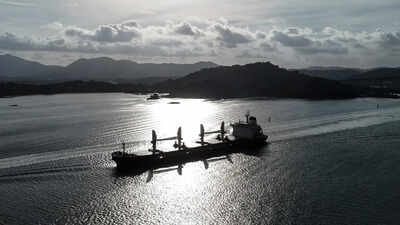
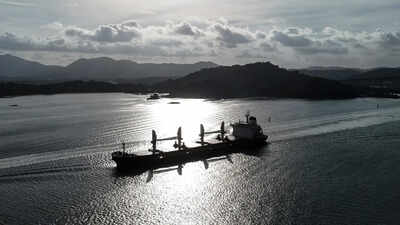
In a further potential addition to global shipping woes, the Panama Canal may reduce the number of ships allowed to transit the waterway to as few as 27 a day in the coming months due to worsening water shortages.The Panama Canal Authority has modelled the potential reduction as a “worst-case scenario” based on rainfall patterns recorded in 1997, the canal’s driest year on record, reported Financial Times. The canal currently allows about 32 daily transits, down from its usual average of 36, after water shortages forced authorities to restrict traffic.“[Climate change is] the most important thing because, I mean, we can see how the frequency of dry years is increasing,” Espino de Marotta said, warning that water shortages were becoming a problem “every three years or so”, its new administrator Ilya Espino de Marotta told FT.The canal, which connects the Atlantic and Pacific oceans and handles more than 3 per cent of global trade, relies on freshwater reservoirs to operate its locks. Authorities have introduced water-saving measures and reduced transits to preserve supplies ahead of the dry season from December to mid-April.The restrictions come as global shipping is already facing disruptions linked to the conflict in the Middle East and traffic constraints around the Strait of Hormuz. Shipping costs for Panama Canal transits have surged, with average auction costs for standard and larger locks rising from $66,150 and $253,180 in January-February to $478,750 and $1.25 million, respectively.“The Panama Canal is a wild card in the world of commodity movements and trade patterns,” said Kristian Sørensen, chief executive of BW LPG.The potential cuts could put further pressure on global trade and commodity flows, with shipping companies already rerouting vessels on longer journeys around Africa or South America.