
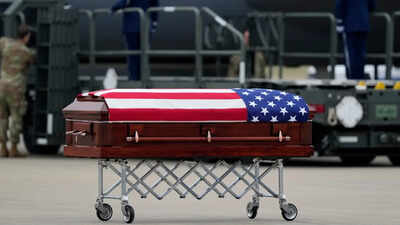
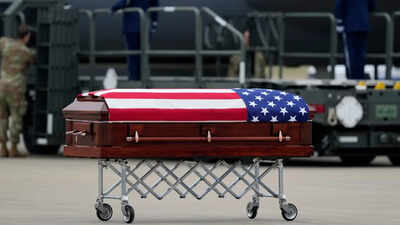
Up to 774 US service members have reportedly been killed or wounded as the US-Iran conflict approaches its seventh month, according to recent casualty figures released by the Pentagon.The figures, reported by The Washington Post based on the Pentagon’s casualty reporting system, include 18 deaths and 756 wounded service members.Data from the Defence Casualty Analysis System (DCAS), dated August 21, lists up to 14 deaths and 417 wounded under “Operation Epic Fury”. When figures listed under a separate “Overseas Operations” category are included, the reported death toll rises to 18.According to CNN, the Pentagon created the “Overseas Operations” category in DCAS last month to record service members killed or wounded “starting July 7”. The date coincided with the Trump administration informing Congress that a new conflict with Iran had begun.The Pentagon has not specified which conflict is covered by the category and has faced scrutiny over changes to its casualty data.The Washington Post reported that the Pentagon recently added a significant number of troops to its wounded list even as a fragile ceasefire largely remained in place. However, some of the increase could be linked to delays between injuries being recorded in the military’s medical system and appearing in the Pentagon’s database.The casualty figures have also fluctuated as Iranian attacks continued. CNN reported that four deaths and dozens of injuries temporarily disappeared from the database before being restored. The US Department of War attributed the changes to “temporary data disruptions”.The Pentagon has also reportedly been slow to disclose information about wounded service members, citing security concerns.Despite the scale of the reported casualties, neither side has resumed large-scale combat operations. US President Donald Trump did not extend the ceasefire after it expired on Monday.On Wednesday, Trump said the situation with Iran was “so good”, even as negotiations between Washington and Tehran remained paused. Control of the Strait of Hormuz also remains a key point of contention in the conflict.