
The sound alone is enough for most people to freeze.That dry, buzzing rattle has become almost shorthand for danger – used in films, wildlife clips, and just about every “don’t go there” moment in nature documentaries. But rattlesnakes aren’t really the aggressive creatures they’re often made out to be.They’re survival specialists. Quiet, patient, and built for tough environments across the Americas. And a lot of what they do is less about attacking and more about avoiding trouble altogether.Here are a few things that often surprise people about them.
The rattle is basically a warning sign
When a rattlesnake feels cornered, it doesn’t immediately go on the offensive.
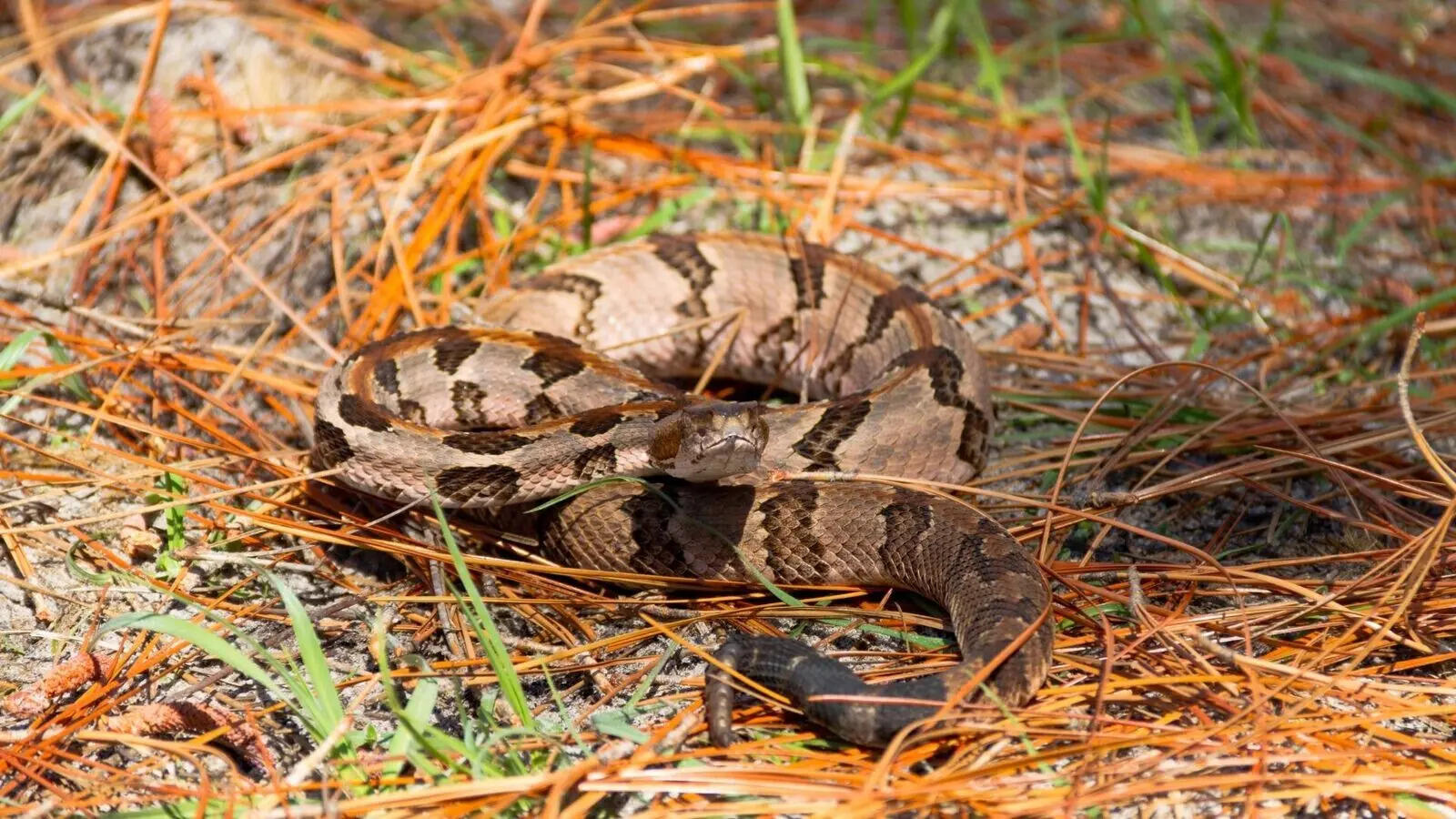
Instead, it shakes the loose segments at the end of its tail. That buzzing sound is a clear message: stay away.It’s less “I’m coming for you” and more “don’t make me get involved.”
They can pick up heat, not just movement
Rattlesnakes have small heat-sensing pits on their faces that help them detect warm-blooded animals.So even if it’s dark or the prey is partially hidden, they can still figure out where it is based on body heat.It’s a built-in tracking system that works surprisingly well in the wild.
The strike is over in a blink
Most of the time, the snake looks completely still. Almost inactive.
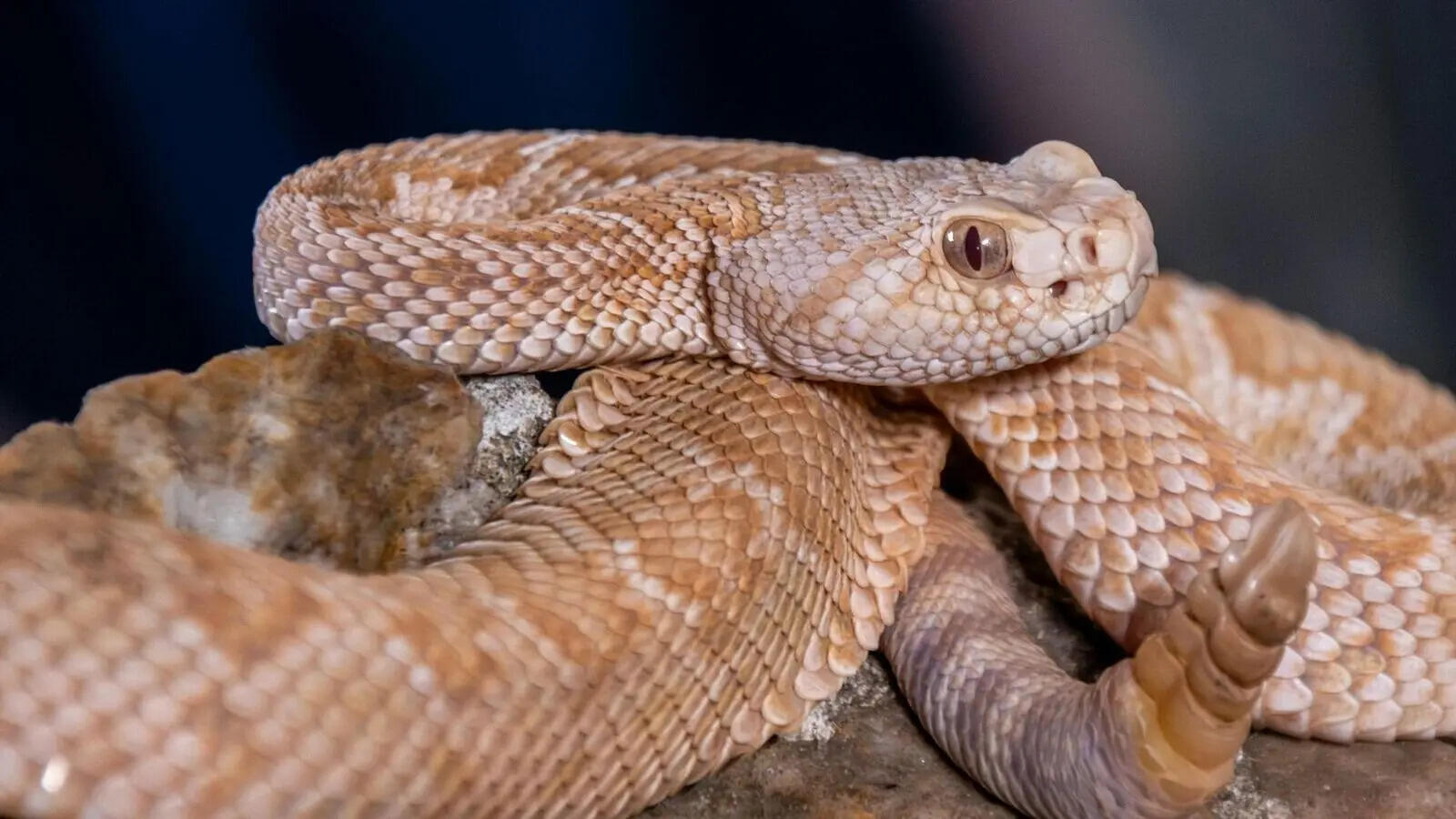
But that changes fast. When it strikes, it’s over in a fraction of a second – quick enough that the eye can barely follow it.That mix of patience and sudden speed is what makes it such an effective hunter.
The rattle doesn’t tell you its age
There’s a common belief that you can count the segments on a rattlesnake’s tail to figure out how old it is.It sounds logical, but it doesn’t work like that.Segments get added over time, but they also break off as the snake moves through rough ground. So the rattle is never a reliable “age meter.”
They quietly help control rodent numbers
Rattlesnakes feed heavily on rodents like mice and rats.It’s not glamorous, but it’s important. By keeping those populations in check, they help maintain balance in their ecosystems.Not exactly the villain role they’re usually given.Images: Canva (for representative purposes only)