
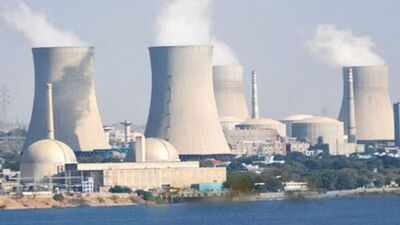
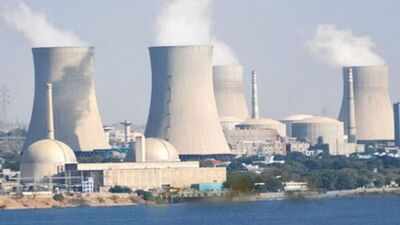
In a big milestone in the domestic nuclear sector, India’s nuclear safety regulator Atomic Energy Regulatory Board (AERB) has granted permission for the first approach to criticality of Rajasthan atomic power project unit-8 (RAPP-8) at Rawatbhata in Chittorgarh following satisfactory completion of safety reviews.The AERB clearance on Nov 19 marks a significant step towards bringing the indigenously developed 700 MWe pressurised heavy water reactor (PHWR) closer to commercial electricity generation subject to satisfactory completion of prescribed tests and regulatory permissions. The first approach to criticality (FAC) represents the stage when a nuclear reactor starts a controlled, self-sustaining nuclear chain reaction for the first time at low power. The reactor had commenced fuel loading at the 700 MW unit-8 in Sept.AERB’s permission follows a comprehensive safety review of the reactor’s design, construction, commissioning test results and operational preparedness. The regulatory review process included detailed assessments by AERB and its safety review committees, complemented by regulatory inspections, and deliberations by the Board of AERB, govt said on Friday.RAPP-8 is the fourth unit of India’s indigenously designed and constructed 700 MWe PHWR series. The other three units of this design are Kakrapar atomic power station units 3 and 4 in Gujarat and RAPP unit-7 in Rajasthan. This site currently has eight NPP units.
Share your thoughts in the comments
Be respectful · TOI community guidelines
India’s PHWR series forms the backbone of the first stage of the country’s three-stage nuclear power programme, using heavy water as both moderator and coolant with natural uranium oxide fuel. Designed by Bhabha Atomic Research Centre (BARC) and operated by Nuclear Power Corporation of India Limited (NPCIL), the indigenous series has scaled up from 220 MWe to 540 MWe and 700 MWe units.Currently there are 19 units of various types operational at various locations in India (14 IPHWR-220, 2 IPHWR – 540 and 3 IPHWR-700) and 13 more IPHWR-700 reactors planned or under construction.India currently has 8.78 GW of installed nuclear power capacity across 24 operating reactors, contributing roughly 3.1% of total electricity generation in 2025–26. It plans to reach 100 GW by 2047 under its Nuclear Energy Mission. Nine reactor units (7.5 GW combined capacity), including 500 MWe indigenous Prototype Fast Breeder Reactor (PFBR), which achieved first criticality in April this year, are under construction. Ten additional reactors are in the pipeline.