
When someone mentions measles, we think of it as a childhood rite of passage: fever, rash, a few miserable days, and then life moves on. But what’s happening in Pennsylvania right now is a harsh wake-up call: measles isn’t just a kids’ problem, and it’s far more dangerous than most people realize.As AP News reported, the recent death of a 40-year-old woman in Jefferson County, who wasn’t vaccinated, puts this reality into focus. She’s the third person in Pennsylvania to die in connection with measles this year, and her story isn’t just a statistic; she was part of a growing wave of cases that’s been spreading through the state.
Measles outbreak in Pennsylvania: What’s happening?
As of mid-September, Pennsylvania health officials confirmed 676 measles cases in 37 counties, with 124 people hospitalized. That’s not a scattering of cases here and there; it’s a surge. And there’s a clear pattern: almost everyone who got sick wasn’t vaccinated. Politics have started to creep into the situation, too, as state and federal authorities argue over whether previous deaths were truly measles-related. Even the CDC’s national numbers for 2026 leave Pennsylvania’s deaths out, though state officials are standing by their reports.With so much confusion and concern, it helps to pause and ask: what is measles, how does it spread, what warning signs should you watch for, and crucially, how can you keep yourself and your family safe?
What is measles, and why is it so contagious?
Per Cleveland Clinic, measles (or rubeola) is caused by a virus that moves through the air on the droplets we all breathe out. It spreads through the air when an infected person coughs, sneezes, or breathes. The virus can remain infectious in an indoor space for up to two hours after an infected person has left.It’s so contagious, in fact, that if just one person has it, nearly everyone nearby who’s not immune can catch it. And the tricky part is, you can spread the virus before you even feel sick yourself. That’s exactly why outbreaks spin out of control so quickly when vaccination rates drop.
How does measles start: Early signs
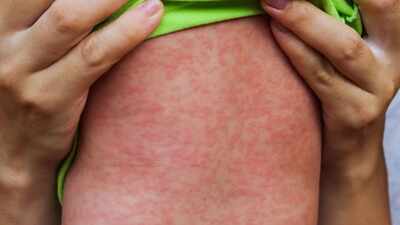
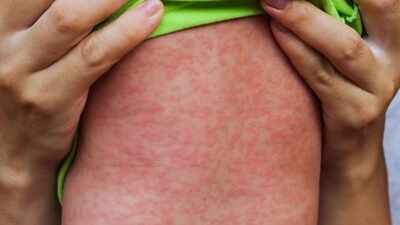
It’s easy to mistake the first signs of measles for a random virus: high fever, a hacking cough, runny nose, and eyes so red and watery they sting. These symptoms usually hit about a week or two after exposure, long before the trademark rash shows up. Inside the mouth, tiny bluish-white dots (called Koplik spots) are another early clue doctors watch for.Then, a few days in, the rash hits starting at the hairline, creeping down the face, neck, and eventually blanketing the body. The fever, which might have eased up, can suddenly spike, leaving people feeling completely wiped out. And because this early phase is so easy to miss, people can walk around spreading measles before they, or anyone else, realize it’s not just a nasty cold.If there’s any reason to think you’ve been exposed to measles or start developing symptoms during an outbreak, don’t just show up at a clinic. Call ahead. That way, you’ll help keep the virus from spreading to others in waiting rooms.
Why does measles sometimes turn deadly?
Most people pull through measles fine. But some don’t. The virus can cause ear infections, severe diarrhea, life-threatening pneumonia, or swelling of the brain (encephalitis). In rare cases, a person survives the illness, only to develop a tragic, fatal brain disorder called subacute sclerosing panencephalitis (SSPE), years down the road. Kids under five, pregnant people, and anyone whose immune system isn’t working well are most at risk.On average, about one in a thousand people with measles will develop encephalitis, and two to three in a thousand will die, though these numbers can swing based on where you live and what healthcare is available.WHO estimates that encephalitis can occur in about one in every 1,000 reported cases and that roughly two to three deaths occur for every 1,000 reported cases, although the risk varies substantially by population and access to healthcare.Measles can also cause lasting problems, like hearing loss or even blindness. That’s why public health experts take every single case so seriously.
Who’s at risk for measles complications?
The short answer: anyone who isn’t immune. Babies who are too young for the vaccine and people who haven’t had their shots are especially vulnerable. Pregnant people and those whose immune systems are weak, such as patients undergoing cancer treatment, face the greatest dangers.Moreover, don’t let age fool you. The Pennsylvania deaths span from infants to adults. The most recent victim was 40, and the previous deaths involved babies who never even got a chance to be vaccinated.
Can measles really be prevented?
Absolutely. The measles, mumps, and rubella (MMR) vaccine has been around for decades, and it’s incredibly effective, with two doses giving about 97% protection. Even one dose gets you most of the way there. The idea is simple: when enough people are vaccinated, the virus runs out of people to infect, which protects everyone, including those who can’t get immunized. That’s why entire generations have grown up never seeing outbreaks like this until vaccination rates dip.However, gaps in coverage are dangerous. The World Health Organization (WHO) estimates nearly 100,000 people died from measles worldwide in 2024, and countries that once considered measles gone have seen it roar back when people skip their shots.
What do you do if you get measles?
There’s no magic cure for measles. So, treatment is all about support: bed rest, plenty to drink, fever control, and close watching for any complications. For children, especially in countries where vitamin A deficiency is common, supplementing with vitamin A makes a real difference and can be life-saving, but it’s best done under medical advice.If you or someone you know is diagnosed with measles, it’s critical to stay isolated (no visitors, no school, no work) for at least four days after the rash appears. Public health officials need to know about each new case so they can contain it quickly.