
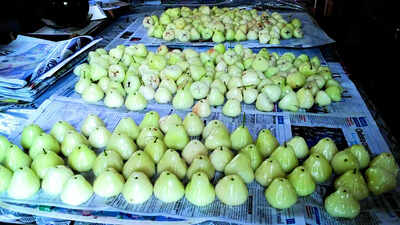
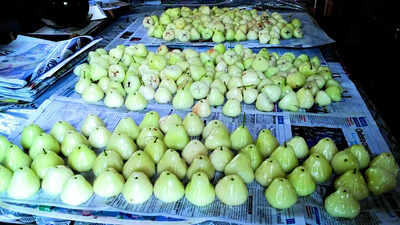
Panaji: Local varieties of summer fruits such as water apples, jamun and other wild fruits, which once sold for as little as Rs 1 per piece are now priced at Rs 5 to 8 each. These seasonal berries are not commercially cultivated in Goa but inconspicuously exist in the wild or in private home gardens.With daily wages ranging between Rs 800 and 900, fruit gatherers calculate prices to ensure viable earnings. As a result, even traditionally inexpensive, foraged fruits are becoming costlier.“Home growers need to especially hire labour services to pluck water apples, rose apples and jamuns and therefore price these fruits based on daily wage expectations,” said home grower Marietta D’Silva from Sangolda.Urbanisation has further contributed to the problem by reducing the number of fruit-bearing trees, limiting supply. Vendors in the Panaji market said that berries such as ‘kanta’, ‘chunna’, mulberries and gooseberries besides bimbli and kokum are no longer easy to forage.“Over 30 years ago, we would walk along the hillsides at Socorro and Bambolim to pluck them. Sometimes we would even cross the river to forage in Divar and Chorao. Now, there are so many developmental projects in these areas that even if we manage to find 10 trees or pluck 1,000 berries, we consider it to be a productive day,” said a hawker.However, income disparity is also influencing the consumption.“A person earning less than Rs 25,000 a month may struggle to afford mancurad mangoes priced at Rs 2,000 a dozen. As a result, they binge on affordable wild berries for a few weeks till mango prices become more economical. Now, even those buyers are complaining about the price hike of humble fruits,” said Shakir Shaikh, a fruit vendor.Despite the challenges, demand remains steady.“There is a strong emotional and cultural connection to summer fruits,” horticulturist Miguel Braganza said. “People want to buy them even if prices are high, as it’s something they’ve grown up foraging and eating.”