
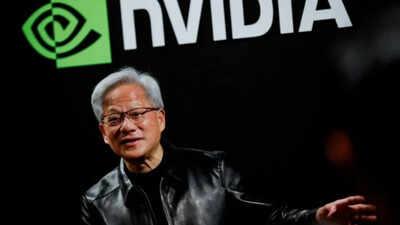
Jensen Huang may have stepped away from Nvidia’s CEO chair, but he still has some say in who sits on the company’s board.The former chief executive has the right to nominate two directors to Nvidia’s board ahead of its annual shareholder meeting, according to the company’s proxy and corporate filings.Huang’s current shareholding makes this possible.He owns roughly 3.5% of Nvidia, while data from LSEG shows that he and entities linked to him have held more than 3% of the company’s shares for over three years. Under Nvidia’s rules, shareholders or groups holding more than 3% of the voting power for at least three years can nominate directors whose names must be included in the company’s proxy materials for the annual shareholder vote.The company’s annual meeting typically takes place in June. Huang would be entitled to nominate candidates who qualify as independent board members, putting them forward for consideration by shareholders.The provision could give the Nvidia co-founder a way to retain a degree of influence over the company’s future even after leaving the CEO’s office. Board members are responsible for selecting company leadership and overseeing its operations, making the nomination right particularly significant as investors, customers and chip industry executives assess Huang’s future role.However, the process does not automatically secure board positions for his nominees. Shareholders must approve the candidates through a vote. Nvidia can also leave a nominee out if the individual has violated the company’s bylaws and charter.The question of Huang’s future involvement comes amid an investigation announced by Nvidia’s board on November 8. The board said it had initiated the investigation following recent reporting that Huang had been targeted in a foreign intelligence effort.Reuters could not establish whether Huang’s conduct had breached Nvidia’s bylaws or charter. The company and a representative for Huang did not respond to requests for comment.
Musk, Trump and investors back Huang’s return, but board remains firm
Huang’s resignation last week, following his extramarital affairs, has also triggered calls for him to return as CEO. Elon Musk, employees, investors and US President Donald Trump are among those who have advocated for his return to the leadership position at the chip designer.Despite the support, Nvidia’s board was not considering reinstating Huang, three people familiar with the matter told Reuters on Monday.Huang, however, has not ruled out returning to the role. In a statement released on Tuesday, he said he “would be honored” to become CEO again if the board believed it would be in the best interests of shareholders and employees.Meanwhile, Nvidia’s latest earnings provided some relief for investors. The company issued a quarterly revenue forecast above Wall Street estimates after the market closed on Tuesday, offering some relief following the uncertainty surrounding his exit.Its third-quarter earnings statement, however, made no reference to Huang’s departure or the possibility of his return.Nvidia reported revenue of more than $116 billion, double the amount recorded a year earlier and higher than Wall Street estimates. Net income came in at $2.70 per share, ahead of analysts’ expectations of $2.48.