
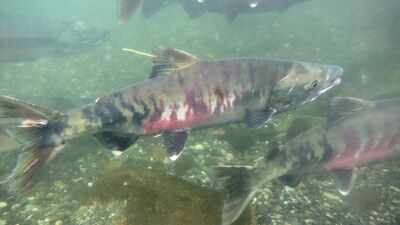
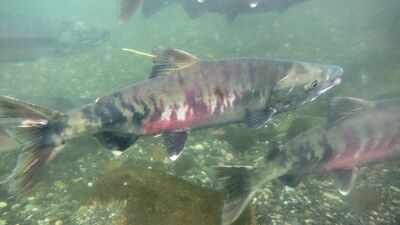
In the early 1990s, fewer than 1,000 threatened summer-run chum salmon made it back to the Big Quilcene River on Washington’s Olympic Peninsula each year. Decades of logging, road building and habitat degradation had left the river choked with sediment, its gravel spawning beds buried and its side channels disconnected. Today, the story looks very different. Thanks to a multi-agency, $9.7 million restoration effort that is nearing completion, recent returns to the Big Quilcene average about 32,600 adult chum annually, turning the watershed into one of the strongest strongholds for this imperiled population. As NOAA Fisheries reports, the project shows how targeted river restoration can help bring a threatened salmon run back from the brink.A watershed pushed to the edgeThe Big Quilcene River flows from the Olympic Mountains into Hood Canal, a deep fjord that supports some of the most productive salmon habitat in the Pacific Northwest. Summer-run chum salmon here are listed as threatened under the Endangered Species Act, part of the Puget Sound/Georgia Basin distinct population segment.By the early 1990s, the run had collapsed. Historical logging and poorly designed roads sent massive amounts of sediment into the river, smothering the clean gravel beds that chum need to spawn. Floods and erosion further degraded the channel, while dikes, levees and disconnected side channels reduced the amount of slow-water habitat where juvenile salmon can feed and grow. The result was a river that looked intact on a map but functioned poorly for salmon.A plan to rebuild habitat, not just numbers
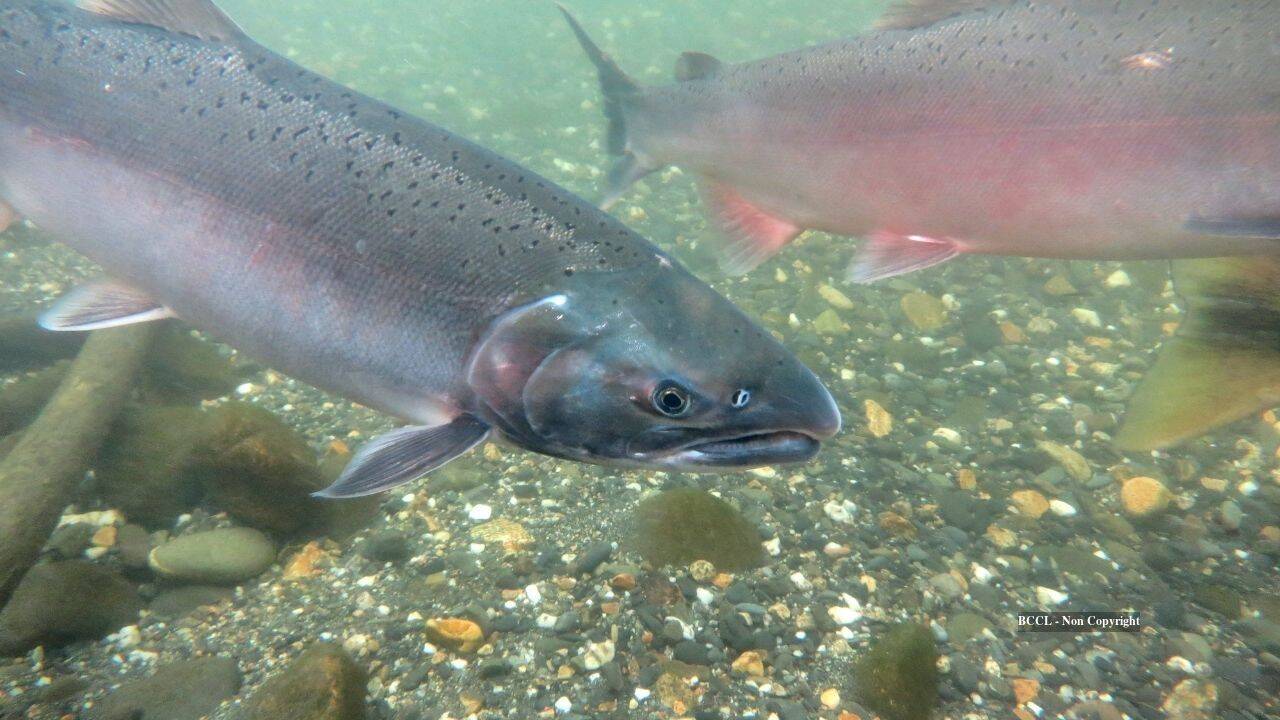
Chum salmon
Restoration of the Big Quilcene began in earnest in the 2000s, with a focus on fixing the underlying problems rather than simply stocking more fish. Key partners included NOAA Fisheries, the U.S. Fish and Wildlife Service, the Washington Department of Fish and Wildlife, the Quinault Indian Nation, the Port Gamble S’Klallam Tribe, Jefferson County and local conservation districts.The work centred on three main goals:Reduce sediment inputs by improving or removing old logging roads and stabilising eroding slopes.Reconnect the river with its floodplain and side channels to create more rearing habitat for juvenile salmon.Restore natural channel processes so the river can maintain its own gravel bars and pools over time.Over the years, crews removed or upgraded miles of road, regraded stream crossings, set back levees and reconnected historic side channels. In some places, they re-meandered straightened sections of the river, allowing it to slow down, drop sediment in the right places and rebuild the complex habitat structure that salmon need.From fewer than 1,000 to more than 30,000The biological response has been dramatic. In the early 1990s, annual returns of summer-run chum to the Big Quilcene hovered below 1,000 fish. After years of habitat work, recent returns have averaged about 32,600 adults per year, according to NOAA Fisheries.That increase is especially significant because summer-run chum are genetically distinct and particularly vulnerable to habitat loss. Unlike many other salmon that migrate as juveniles soon after hatching, summer chum fry spend more time in freshwater, relying heavily on slow, productive side channels and floodplain habitats. By restoring those areas, the Big Quilcene project directly addressed the life-stage bottlenecks that were limiting the population.A $9.7 million investment nearing the finish lineThe full restoration effort is valued at about $9.7 million, funded through a combination of federal recovery funds, state salmon recovery accounts, tribal contributions and local matching dollars. As of 2026, the project is in its final phases, with remaining work focused on fine-tuning channel features, stabilising banks and ensuring long-term maintenance plans are in place.NOAA Fisheries describes the Big Quilcene as a “river reborn,” a place where the physical form of the river is once again supporting the ecological processes that sustain salmon. The project is now being used as a model for other Hood Canal and Puget Sound watersheds where summer chum and other salmon runs are struggling.Why this matters beyond one riverThe success of the Big Quilcene restoration has implications far beyond a single watershed. Summer-run chum are a key prey species for predators ranging from seals and sea lions to killer whales, and they support important commercial, tribal and recreational fisheries. Their decline in many parts of Puget Sound has been a major concern for managers trying to recover endangered salmon and the species that depend on them.By showing that intensive, science-based habitat restoration can produce order-of-magnitude increases in adult returns, the Big Quilcene project offers a blueprint for other systems. It also underscores the importance of long-term commitment: the gains seen today are the result of more than two decades of planning, construction and monitoring.What comes nextEven as the main construction winds down, partners are focused on making sure the gains last. That includes: Ongoing monitoring of salmon returns, habitat conditions and water quality; maintenance of restored side channels and floodplain connections to prevent them from filling in or becoming disconnected again; and continued work on upland roads and slopes to keep sediment inputs low.Local tribes and conservation groups also see the restored river as a place for education and cultural connection, where community members can learn about salmon life cycles, traditional uses and the importance of healthy watersheds.A symbol of hope for Puget Sound salmonFor many people who have worked on the Big Quilcene for years, the numbers tell only part of the story. Walking along the river today, they see a channel that moves and changes more naturally, side channels that hold water through the summer, and young salmon finding shelter in places that were once little more than ditches.The rebound from fewer than 1,000 fish to an average of 32,600 is a rare success story in a region where many salmon populations continue to decline. As the $9.7 million restoration nears completion, the Big Quilcene stands as a reminder that, with enough time, money and collaboration, it is still possible to bring a threatened salmon run back from the edge.