
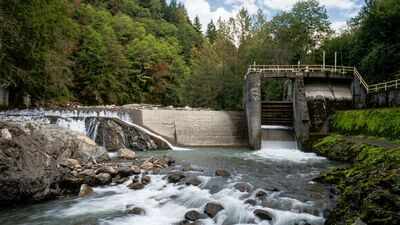
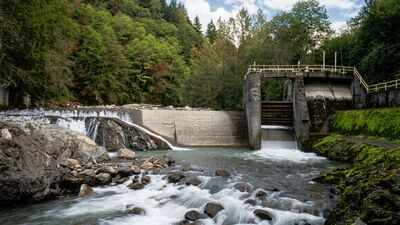
Across the United States, some rivers are beginning to flow through places where dams once stood. In 2020, 69 dams were removed across 23 states, reopening hundreds of miles of waterways that had been blocked for decades. Some structures had outlived the purpose for which they were built, while others had become expensive to maintain or posed growing safety concerns. For fish and wildlife, the changes could be significant, restoring access to stretches of river that had long been cut off. The work continued even as the Covid-19 pandemic disrupted construction and restoration projects across the country.According to American Rivers, from an obsolete industrial dam in Indiana to barriers affecting salmon habitat in Washington, the removals showed how decisions about ageing infrastructure can also reshape rivers, habitats and nearby communities. By the end of the year, the total number of dam removals in the US since 1912 had reached 1,797.
US dam removals in 2020 addressed safety, ageing infrastructure and river restoration
The 69 removals recorded in 2020 brought the number of dams taken out across the US since 1912 to 1,797. Ohio recorded the highest number that year, with 11 removals, while Massachusetts and New York each recorded six, as reported.The work did not stop when normal construction schedules were disrupted by Covid-19. Engineers, contractors, local authorities, conservation groups and other partners continued with projects where it was possible to do so safely.There was no single reason for taking a dam out. In some places, a structure had become obsolete. Elsewhere, the issue was public safety, fish passage or the cost of maintaining ageing infrastructure. A few projects combined several of these concerns.
Why removal of obsolete dams became US priority
More than 90,000 dams are estimated to stand across rivers in the US. They range from major pieces of infrastructure to relatively small barriers that were built for mills, water supplies, recreation or other local purposes.As these structures age, their original uses can disappear while the costs and risks associated with keeping them remain. Some also interfere with the movement of fish and alter the flow and ecological character of rivers.According to American Rivers, the failure of Michigan’s Edenville Dam in May 2020 brought the safety issue into sharp focus. The collapse led to extensive flooding and became another reminder of the risks associated with ageing infrastructure. Reportedly, a United Nations report published around the same period also warned about the growing problems posed by ageing dams and water infrastructure.In many cases, the work is also tied to local economic activity. A study from the University of North Carolina estimated that ecological restoration directly employed about 126,000 people nationally and supported another 100,000 jobs indirectly, with the sector contributing around $25 billion to the US economy each year.
How a 2020 dam removal restored 16 miles of salmon habitat
One of the larger examples from 2020 took place on the Middle Fork Nooksack River near Bellingham, Washington.There, an old water diversion dam was removed and a new water intake installed. The change opened roughly 16 miles of previously inaccessible habitat for salmon. It also addressed cultural resources and maintained a dependable source of clean water for Bellingham.The project brought together a number of organisations, including American Rivers, the Nooksack Indian Tribe, the Lummi Nation and the City of Bellingham, alongside private funding from the Paul G. Allen Family Foundation and other partners.
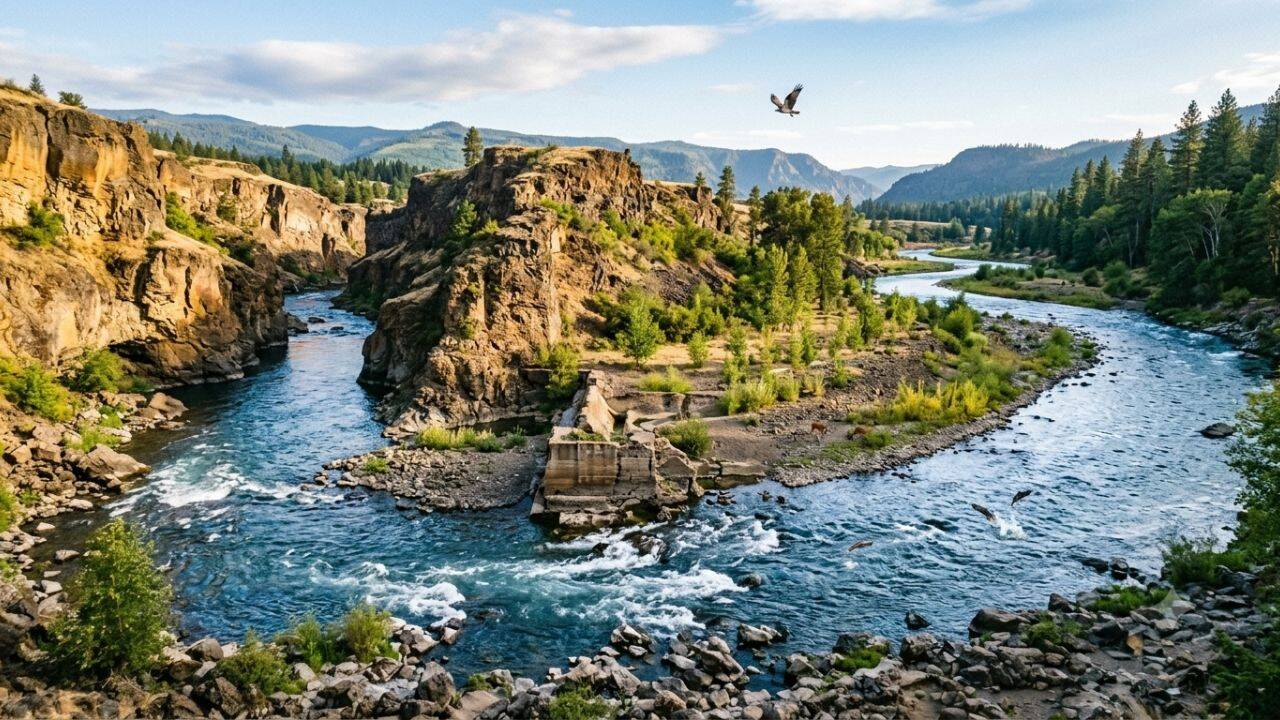
Dam removals across the US reopened rivers and restored vital fish habitat
In New Hampshire’s White Mountain National Forest, a 21-foot concrete and earth dam once blocked the South Branch Gale River after being built in 1955 by the Littleton Water and Light Department as part of a water-supply system. By 2020, the dam was no longer in use, and its removal restored connectivity to about 15 miles of river upstream and 21 miles downstream.In South Carolina, the Burson Lake Dam on Reedy Creek faced a different problem after heavy rainfall damaged its spillway in spring 2020, increasing the risk of failure; rather than repair the ageing recreation dam, the US Forest Service chose to remove it, eliminating a safety concern and future maintenance costs while restoring habitat for aquatic species such as Bartram’s bass. In Indiana, the Elkhart River Dam, built around 1890 to divert water into raceways that once powered downtown industry, had outlived its original purpose but continued to block fish passage; removing the roughly eight-foot structure reconnected about 40 miles of upstream habitat and was expected to benefit 16 fish species and improve movement and genetic mixing among about 50 species, including the threatened or endangered greater redhorse, longnose dace and northern brook lamprey.In Montana, removal of the more than century-old Rattlesnake Creek Dam reconnected the Rattlesnake Wilderness with the Clark Fork River, while restoration plans included removing other structures, restoring about 1,000 feet of stream channel and creating five acres of wetland and floodplain habitat. On Washington’s Pilchuck River, two diversion dams were removed by the Tulalip Tribes and City of Snohomish, opening more than 36 miles of upstream habitat for Chinook, coho, chum and pink salmon, steelhead, bull trout, cutthroat trout and other species, while also reducing dam-failure risks and improving recreational opportunities.
The wider impact of 69 US dam removals in 2020
The 69 dam removals in 2020 were small compared with major US dams, but together they reconnected 624 miles of river. They restored fish passage in some areas while removing redundant or unsafe infrastructure in others.The wider debate includes larger proposals, such as Congressman Mike Simpson’s 2021 plan to remove four lower Snake River dams as part of a broader strategy involving salmon, energy, agriculture and regional infrastructure.