
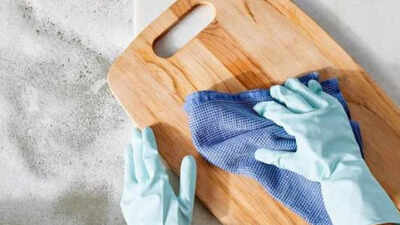
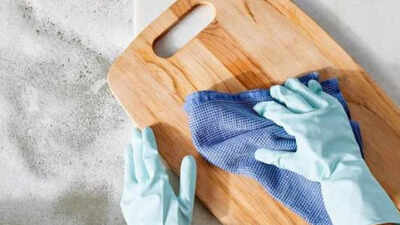
Your cutting board is one of the hardest-working tools in the kitchen, but it can also become a breeding ground for bacteria, stains and unpleasant smells if not cleaned properly. Regardless of whether your cutting board is made of wood, bamboo, or plastic, following the right techniques of maintenance will help it remain durable and bacteria-free for a long time. And here is everything you should know about its maintenance:-
Always clean it after every usage
It doesn’t matter what type of cutting board you own; it should always be cleaned right after your use.* Scrub off the scraps of food using a spatula.* Wash the cutting board in warm water mixed with detergent using a sponge.* Then rinse the board to remove the soap residue.* Dry the board with a clean towel and ensure that it dries upright.Cutting boards are known to harbour mould and bacteria because of moisture retained within.Steps for deep cleaning a cutting boardDespite looking like a clean cutting board, you may want to deep clean it weekly or after handling raw meats, poultry, and seafood.One of the ways to deep clean a cutting board is to use white vinegar. Apply or spray undiluted white vinegar on the cutting board, let it stay for some time and then rinse and dry the cutting board. The vinegar does not substitute cleaning with soap and water but kills odour-producing bacteria. Another way is to run plastic dishwasher-safe cutting boards in a hot cycle of the dishwater.
Stain removal techniques
Cutting boards get stained due to substances such as turmeric, beetroot, tomato, berries, and spices.
Use of baking soda
A thick paste is created by mixing baking soda and water. It is rubbed into stained areas, scrubbed with a soft brush or sponge and allowed to remain for 10-15 minutes and then rinsed.
Lemon and salt method
Coarse salt is sprinkled on the stained area, followed by rubbing half a lemon over the cutting board. This is because salt is a gentle abrasive and lemon helps in removing stains easily. Allow this for about 5 minutes and then rinse.If you have persistent stains on your plastic cutting board, follow the same technique again. Do not use steel wool on wood boards since it damages the surface.
Bad Odour Removal Method
There are many foods that may cause bad odour after cutting. These include garlic, onion, fish, and spices. Here are some quick and easy tips:* Scrub the board with half a fresh lemon and let the juice sit on it for 5 to 10 minutes.* Sprinkle baking soda onto the surface, wait for several minutes, scrub, and then wash off.* Clean the board with white vinegar after washing to get rid of any smells.Remember to dry the board well after cleaning to avoid any musty smells.
Care for wooden and bamboo cutting boards
Wood and bamboo cutting boards need special attention since they retain moisture.
For maintenance purposes:
* Apply food grade mineral oil or cutting board conditioner every couple of weeks or when the board appears to be drying out.* Let the oil sink in overnight then wipe off excess.* Avoid soaking wooden boards in water or putting them in the dishwasher which can lead to cracking, warping or splitting.Oiling will help prevent deeper cuts and absorb moisture as well.
When to Get Rid of Your Cutting Board?
No matter how much you take care of your cutting board, it doesn’t have a forever life.
Replace your cutting board if:
* It has deep scratches or knife marks that are hard to clean.* It has cracks or splits.* It gets stains or smell no matter how thoroughly you clean it.* It becomes warped.Deep grooves may harbour bacteria, which is hard to remove during washing.
Dos and don’ts quick list
Do:* Wash after each usage.* Use different boards for raw meat and prepared food where feasible.* Ensure complete drying of the board prior to storage.* Regularly oil the wood board.Don’t:* Keep dirty board in the sink.* Soak wooden board in water.* Use bleach regularly except where advised for sanitisation of plastic boards and follow all safety precautions.* Overlook deep cracks or highly worn out surfaces.Cleaning a cutting board is not just an aesthetic necessity but also an absolute must when it comes to food safety. With consistent daily washing, regular deep cleaning and maintenance of cutting boards, you will be able to ensure that there won’t be bacteria growth, bad smell, and that your cutting board will last longer.