
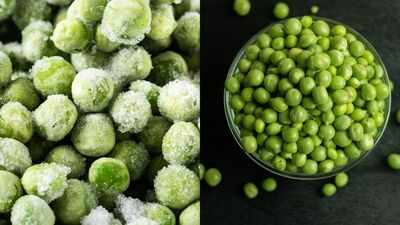
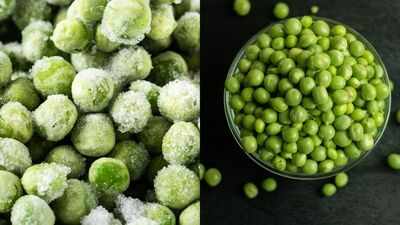
Love adding peas, also known as matar, to all your delicacies, and wonder how you can enjoy this winter delight throughout the year? Then read on, and we reveal how each time you open a pack of peas, it feels fresh, and what goes on behind its processing! Here’s all you need to know about the process of farm to fork through food science.It starts with speedPeas differ from vegetables in one essential way: the moment a pea is picked the sugar inside begins turning into starch. This is why fresh frozen matar left out for a day or two tastes duller and starchier than peas eaten from the vine. Factories that process matar understand this better than anyone, which is why the whole operation is designed to race against time. Farmers harvest the pods when sweetness is at its peak and the peas are sent to the processing unit within hours, not days.Shelling and sortingWhen the peas arrive, machines gently separate them from their pods, a task that would take humans forever if done by hand at this scale. The result is a stream of green peas but not every pea is kept. Immature peas, overripe ones damaged pieces, and stray bits of pod or stem are removed. Modern facilities frequently use sorting technology and cameras that scan each pea and reject any that do not match the ideal size, colour and shape. It may seem excessive. This is exactly why packaged frozen matar appears so uniformly perfect.BlanchingBefore freezing, the peas undergo a dip in boiling water for a minute or two then immediately receive an ice‑cold bath. This step, known as blanching, is the hero of frozen food. It halts enzyme activity that would otherwise cause the peas to lose color, flavour and nutrients over time. If this step is skipped, the peas would turn dull and mushy within weeks of freezing.Flash freezingThis is where the real transformation occurs. Of freezing slowly factories use a method called IQF known as Individually Quick Frozen. Peas travel through a tunnel of cold air sometimes below minus 30 °C, which freezes each pea separately within minutes. This is why frozen matar does not become a clumped block. Each pea remains loose and separate ready to be scooped into a curry without the need to thaw first.Packing and sealingFinally, the frozen peas are transferred to packaging lines, where they are weighed, sealed into airtight packets, and sent to storage and transport. The packaging is not, for appearance; it blocks moisture and air, both of which are the true enemies of frozen food quality. So the time a handful of frozen matar is tossed into a pulao or curry, remember that it has traveled through a surprisingly precise science‑backed journey to arrive, one built almost entirely around preserving that fresh, just‑picked sweetness.