
Navratri brings long evenings of Garba, energetic dance circles and hours spent on the dance floor. But for people with varicose veins, prolonged standing and leg discomfort can make the celebrations challenging. The condition does not automatically mean giving up dancing. Simple precautions, regular breaks and attention to symptoms can help make the experience more comfortable.Vascular and endovascular surgeon Dr Sumit Kapadia recently shared three practical tips for people with varicose veins who want to enjoy Garba this Navratri. His advice focuses on keeping the legs moving, resting between dance sessions and elevating the legs afterwards.
What are varicose veins?
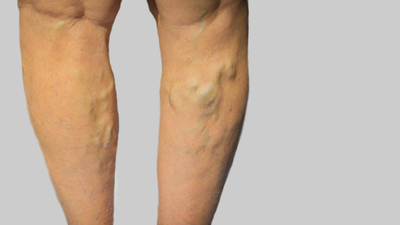
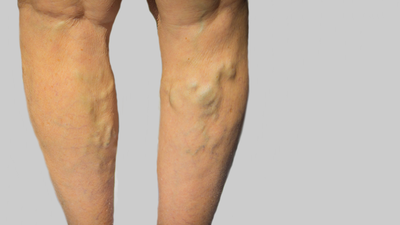
Varicose veins are enlarged, twisted veins that usually appear close to the skin, particularly in the legs. Healthy veins contain valves that help blood flow towards the heart. When these valves do not work properly, blood can collect in the veins, causing them to swell.The veins may look blue or purple and appear raised beneath the skin. Some people experience aching, heaviness, swelling, itching or cramps, especially after standing for long periods. Others may have visible veins without noticeable discomfort.
Keep moving instead of standing still
Waiting in a queue, standing between dance rounds or remaining in one place for too long can worsen leg discomfort in some people with varicose veins.Dr Kapadia recommends staying active throughout the day rather than standing still for extended periods. Gentle walking and regular movement help the calf muscles push blood back towards the heart. During Garba, participants can take short walking breaks instead of remaining stationary when they are not dancing.
Sit down during breaks
Excitement can make it tempting to continue dancing for hours without a proper break. However, resting between sessions gives tired legs a chance to recover.Dr Kapadia advises sitting down during breaks. People should pay attention to increasing heaviness, aching or swelling rather than pushing through discomfort simply to keep up with the group. Comfortable footwear and avoiding unnecessarily long dance sessions may also help reduce strain.
Elevate the legs for 10-15 minutes
After dancing, Dr Kapadia recommends elevating the legs for 10-15 minutes. Resting with the legs raised above heart level, where comfortable, can help reduce swelling and the feeling of heaviness by encouraging blood to flow back towards the heart.This is a simple way to wind down after an energetic evening. However, leg elevation offers temporary symptom relief; it does not repair damaged vein valves or remove varicose veins.
When should dancing stop?
These precautions do not make every Garba session safe for everyone. People with significant pain, marked swelling, skin changes or a history of vein-related complications should seek medical advice before taking part in prolonged dancing.Sudden swelling or pain in one leg, particularly with warmth or redness, needs urgent medical assessment because it can indicate a blood clot. Chest pain or sudden breathlessness requires emergency care.Varicose veins are often manageable, but persistent symptoms deserve attention. The aim is not to miss the festivities unnecessarily, but to recognise personal limits and avoid treating pain as something that must be ignored.