
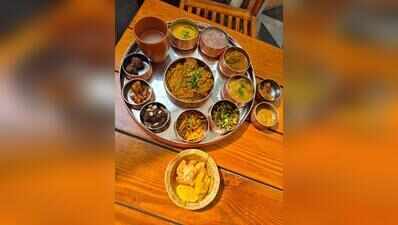
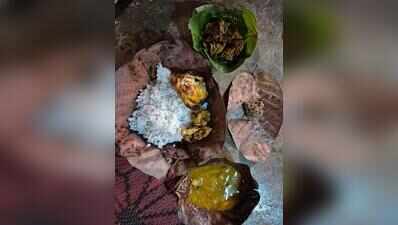
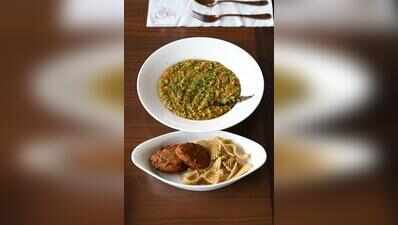

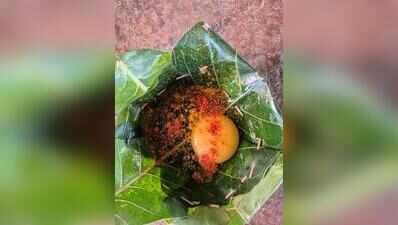
Bhopal/Raipur: Long before millets became a restaurant trend and political flavour of the day, lesser millet grains such as kodo and kutki were staples in tribal homes across Madhya Pradesh and Chhattisgarh. But they were only part of a wider food tradition that included seasonal greens, mushrooms, mahua flowers, fish and meat.Food historian and culinary scholar Pushpesh Pant believes the growing interest in tribal cuisine often captures only a fraction of these traditions.“Tribal food in the mainstream has not developed. It is slowly dying down,” Pant said, arguing that its revival often amounts to selective repackaging rather than recovery of knowledge.Flatbread Of DiversityOne cuisine does not exist. The food traditions of tribes such as the Gonds, Baigas, Bhils, Korkus, Murias and Oraons differ according to geography, available ingredients and household practices. Even within a community, recipes can vary. “All tribes cannot be found on the same page,” Pant told TOI.In MP, Bhil food traditions include dal paniya, made by wrapping maize-flour dough in leaves and cooking it over a fire. For botanist and anthropologist Madhu Ramnath, who has spent years working with Bastar’s Durwa community, gathering food is itself a form of knowledge. “Food collection gives them their particular identity,” he said.Unfinished Cookbook?The millet story too is incomplete. Kodo and kutki, two nutrient-dense neglected millet grains native to India, have long been part of central India’s food and farming systems. They may be cooked whole, made into porridge or ground into flour, depending on local practices. In MP, kutki is also used in sweet preparations such as kheer, while millet-based gruels and drinks have provided hearty refreshments during long days of work.Among the Kamar community in parts of Chhattisgarh’s Dhamtari and Gariaband, mandiyo, or finger millet, is used to prepare Mandiyo Pej, a non-alcoholic drink.Their preparation relies on knowledge of proportions, cooking time and texture, often passed down generations through observation rather than written recipes.The Missing PlateMeat, poultry and fish feature in the traditional diets of several tribal communities, although usage varies by region and household. In parts of Bastar, fish is eaten fresh or preserved for later use. Suksi, or dried fish, is one example of a preserved ingredient used in preparations.Drying, wherein the fish is methodically cleaned, salted and left in the sun to make it crisp, and smoking extend the shelf life of food. In Bastar, households have traditionally dried seasonal vegetables. An account from Gudiyapadar village documents the drying of corn, mushrooms, bitter gourds and tomatoes.Sukka Markam, a Bastar resident, also described roasting chicken over a fire before storing it, with the dried meat reportedly lasting three to four months. Such methods helped households retain seasonal foods through the year, particularly when heavy rain made remote villages difficult to access or seasonal vegetables were unavailable in weekly markets. So, presenting tribal food mainly through vegetarian dishes can leave out important chapters.The Chutney Of Books & FilmsOne of the best-known preparations associated with Bastar, featured in books and films, is chaprah chutney, made from red weaver ants and their eggs.Such foods need to be documented in their local context, without being reduced to curiosities or sensationalised for outside audiences. Their culinary significance should also be distinguished from potential medicinal claims.Tree Of Life Sustains KitchensFor Adivasi communities, mahua’s cultural significance goes well beyond the beverage made from its flowers. Its flowers, fruit, seeds, branches and other parts sustain dishes and livelihoods.Describing its place in community life, Ram Manjhi said, “The entire mahua tree… from its roots to its dry branches, flowers and fruit, even its shade, is embedded in their lives. Their culture can’t be understood without it.”Preserving More Than RecipesResearch in Chhattisgarh’s Kamar villages has recorded that some younger people find traditional preparations less appealing or time-consuming.For Pant, revival should not mean recreating an imagined past or fitting different communities into a single menu. “There is no harm in reviving a lost way of life which restores pride for tribals and creates employment opportunities for them,” he said.But the culinary heritage of Adivasi communities in MP and Chhattisgarh cannot be represented by a few celebrated dishes or ingredients. Its richness lies in the diversity of everyday food and the knowledge of the people who continue to gather, prepare and pass it on.