
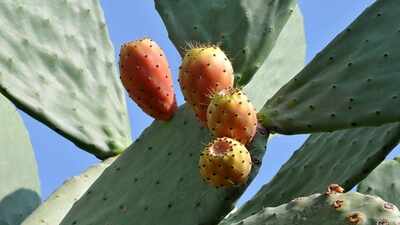
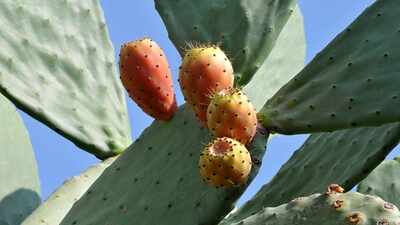
Across parts of the Mediterranean, farmers have pushed back for years against efforts to remove prickly pear cactus from their land, even as land managers treated it as an invasive species that should be eradicated. Many local communities argued that the plant was doing more good than harm by protecting soil and surviving where few other plants could. According to a study published in Frontiers in Forests and Global Change, researchers examined natural plant regeneration beneath abandoned prickly pear orchards, olive groves and nearby open land at three sites in central Sicily. All three sites are located in areas already considered highly vulnerable to desertification. Instead of focusing only on spread, the researchers asked whether prickly pear can also help native vegetation return to degraded landscapes.The answer was clear. Natural regeneration was found beneath almost all of the abandoned prickly pear stands. Around 94.6 per cent of sampled plots contained at least one naturally established native plant. That compared with 61.6 per cent beneath olive groves and only 22.3 per cent in nearby open land with no tree or cactus cover. The researchers also found that prickly pear plots supported an average of 114 individual plants per square metre, nearly double the 60.4 recorded beneath olive trees and far above the 4.6 plants per square metre found in open areas. The regenerating vegetation beneath the cactus was not only more abundant but also included a wider variety of native species and a greater proportion of larger, more mature plants, suggesting that seedlings were surviving long enough to continue developing.The study also showed that abandoned prickly pear orchards functioned as what ecologists call ‘nurse habitats’. Instead of competing with every nearby plant, the cactus created sheltered conditions that allowed many native species to establish themselves naturally. Researchers recorded seedlings and young plants from shrubs, trees and herbaceous species growing beneath the cactus canopy, indicating that the habitat supported different stages of natural ecological recovery rather than only short-lived vegetation. This suggests that prickly pear can sometimes help restore degraded landscapes where natural regeneration is difficult.
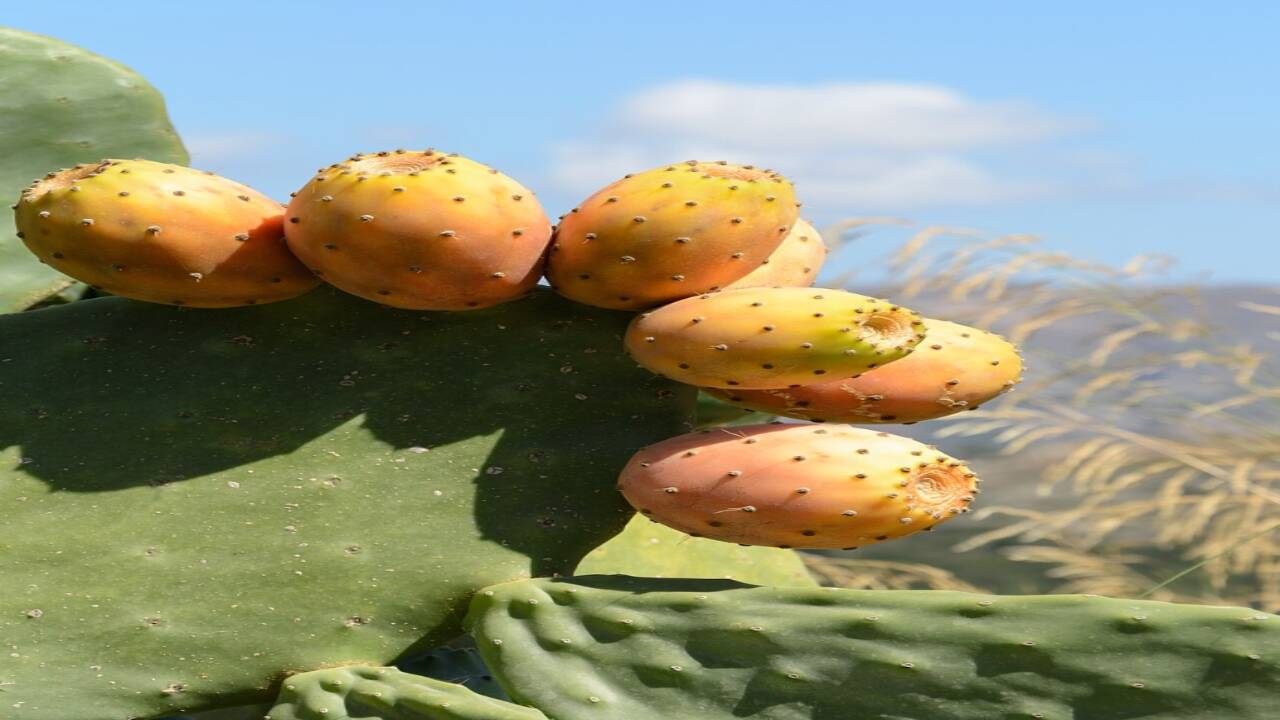
Ripened fig opuntia, credit – Wikimedia Commons
How can prickly pear aid regeneration?One possible explanation is how prickly pear changes the environment beneath it. Its dense, low-growing pads create continuous shade that protects the ground from direct sunlight during the hottest parts of the day. This reduces soil temperatures and slows the evaporation of moisture after rainfall. Cooler, wetter soil gives young seedlings a much better chance of surviving the first critical months of growth, especially in regions where long, dry summers often kill newly germinated plants before they become established.The cactus also helps create a more stable microclimate. Fallen plant material gradually adds organic matter to the soil, while the vegetation itself reduces exposure to drying winds. Together, these changes improve conditions for seed germination and root development. Researchers noted that these effects become especially important in landscapes already experiencing water stress and declining vegetation cover, where even small improvements in soil moisture can significantly increase plant survival. Studies have found that Opuntia species can reduce soil erosion, improve water retention and help stabilise degraded land in arid and semi-arid environments. These characteristics help explain why prickly pear has remained valuable to many farming communities despite its invasive reputation.They emphasised that restoration decisions should always be based on local conditions. Factors such as the history of invasion, the presence of native species, land-use patterns and the economic value of prickly pear to local farmers all need to be considered before deciding whether the plant should be removed or retained. In some places it may support ecological recovery, while in others it may still threaten native ecosystems if allowed to spread unchecked.Why the findings matter for land managementThe Sicily study does not argue that prickly pear should replace native vegetation or be introduced into new environments; instead, it highlights an important trade-off that land managers may need to consider. Removing established cactus stands without assessing their ecological role could also remove shade, soil protection and other conditions that may support native plant regeneration.The findings add evidence for something many Mediterranean farmers have argued for years: under certain conditions, prickly pear can contribute to healthier soils and encourage native plants to return. As climate change increases the risk of drought and desertification across southern Europe, understanding when the cactus functions as a harmful invader and when it acts as a temporary ecological ally could become an increasingly important part of future land restoration strategies. The research also reflects a growing trend in restoration ecology towards evaluating how species function within changing ecosystems rather than relying only on whether they are native or introduced. Across many regions, decades of farming, grazing and changing climate have altered landscapes so extensively that some long-established non-native plants now provide ecological services that support recovery under difficult conditions. Scientists say recognising these roles can help improve restoration planning without weakening efforts to protect biodiversity. Instead of applying identical management across every landscape, conservation programmes may achieve better long-term results by combining ecological evidence with local environmental conditions, allowing restoration strategies to respond more effectively to the specific challenges each site faces.