
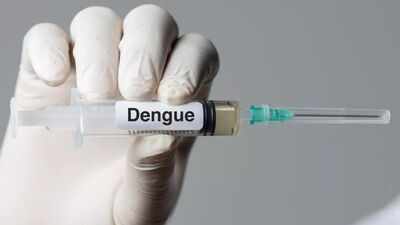
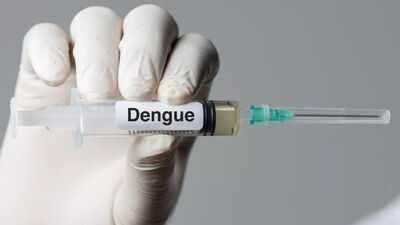
India’s first home-grown dengue vaccine, DengiAll, is being tested in a large clinical trial. If it proves safe and effective, it could offer a new way to protect people from a disease that returns every monsoon. But what makes this vaccine different, and why does protecting against four dengue strains matter?
What makes DengiAll different?
DengiAll is being developed by Panacea Biotec in collaboration with the Indian Council of Medical Research (ICMR). It is a live-attenuated, tetravalent vaccine candidate, meaning it uses weakened forms of dengue virus to train the immune system against four serotypes.The four serotypes are DENV-1, DENV-2, DENV-3 and DENV-4. Infection with one does not guarantee protection against the others. That is why a vaccine designed to cover all four could be important in a country where dengue outbreaks recur.The key difference is also its proposed schedule. DengiAll is being studied as a single-dose vaccine. A single dose could make vaccination easier to organise, but it does not automatically mean stronger or longer-lasting protection. Those questions require clinical evidence.
Why four strains need four-way protection
Dengue is caused by four related viruses. A person who recovers from one type may still catch another later. In some cases, a second infection with a different serotype can increase the risk of severe dengue.This makes dengue vaccination more complicated than simply developing a shot against one virus. The vaccine must produce a useful immune response across all four serotypes. The WHO’s dengue vaccine explainer describes why this four-way protection matters.Dengue can cause high fever, headache, pain behind the eyes, muscle and joint pain, nausea and rash. Severe dengue may lead to bleeding, shock and organ complications. There is no specific antiviral medicine that routinely cures dengue, so prevention remains important.
What the clinical trial will reveal
DengiAll entered its Phase 3 trial in August 2024. The official Press Information Bureau announcement reported that the study began with 10,335 participants across 19 sites in India.The trial compares vaccinated participants with a placebo group. Researchers assess safety, immune responses and whether the vaccine prevents laboratory-confirmed dengue infections.Phase 3 results matter because a promising vaccine must work in a much larger population, not just produce encouraging early immune responses. The trial must also provide enough evidence to judge protection against the different serotypes.
When could Indians get the vaccine?
The end of 2027 has been mentioned as a possible timeline for the vaccine’s progress. It is not a confirmed public launch date.DengiAll must complete its clinical evaluation, and regulators must assess its safety, effectiveness and proposed use before approval. The final decision will depend on the evidence.For now, India already has an important lesson from dengue prevention: a vaccine cannot replace mosquito control. Removing stagnant water, using repellents and protecting against mosquito bites remain essential. The WHO guidance on dengue prevention explains why these measures continue to matter.