
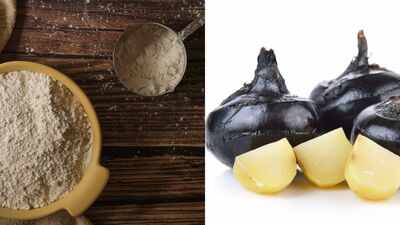
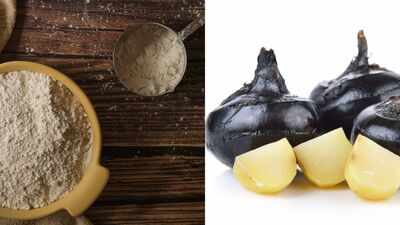
Water chestnut (Trapa bispinosa, or Trapa natans), locally known in India as Singhara grows in marshy areas, ponds, and slow-moving rivers. During Navratri, water chestnut flour (Singhare ka atta) is widely consumed as a grain-free alternative for fasts (vrat). Nutritiously distinct from traditional tree nuts, fresh water chestnuts are crisp, aquatic vegetables composed mostly of water and complex carbohydrates. Resistant starch resists digestion in the small intestine, promoting stable energy levels and inhibiting excess insulin secretion, a key hormone involved in body fat storage. When dried and ground into flour, water chestnuts keep an amount of essential minerals, dietary fiber, and plant-based bioactive compounds. They stay naturally gluten-free, making them a great option for people with sensitivities.Electrolyte balance and fluid retentionBloating and fluid retention often create the appearance of excess abdominal volume. Water chestnut is an exceptionally rich source of potassium while being naturally low in sodium. Research that appeared in the American Journal of Clinical Nutrition shows that a diet high in potassium relative to sodium helps the kidneys by encouraging natriuresis, which’s the removal of extra sodium from the body in urine. By cutting down on the fluid that stays inside cells the potassium found in water chestnut can lessen water weight. Belly puffiness that often show up while fasting.The frying trap during NavratriWater chestnut flour in its natural state is great for a healthy diet, but the usual cooking styles used during Navratri can undo its weight‑loss advantages. A study published in the International Journal of Food Sciences and Nutrition shows that how food is made changes how many calories it holds. When Singhare ki puri or pakoras are deep‑fried, the porous starch in the food soaks up a lot of oil, making the calories four or five times higher than if the same food is dry‑roasted or boiled. If you want water chestnut to help with weight control, choose versions such as rotis, steam‑cooked dumplings, or add it to warm soups.Satiety and caloric densityWater chestnuts are mostly water 74% to 80% in their fresh form so they have very low caloric density. That means they fill you up without adding calories. Research in appetite shows that foods with volume and high water content stretch the stomach sending fullness signals to the brain. Eating water chestnuts helps you feel satisfied longer without increasing your calorie intake.Starch and carbohydrate metabolismUnlike refined flours that quickly turn into simple sugars, water chestnut flour contains a lot of resistant starch and complex carbohydrates. A study in the Journal of Food Science and Technology looked at starches in tubers like Trapa bispinosa and found that their slow-digesting starch helps reduce spikes in blood glucose after meals. This makes water chestnut flour a better choice for managing blood sugar levels.