
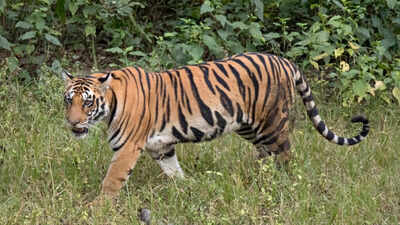
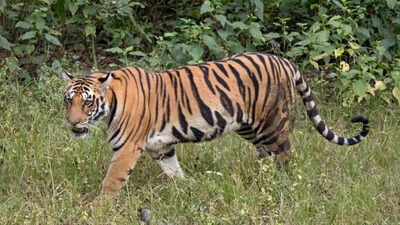
If you hear excitement about tigers coming back to Cambodia, it’s not hard to see why. Wild tigers vanished here nearly two decades ago; the last one was caught by a camera trap in 2007, and by 2016, officials declared them functionally extinct.But now, in an eye-catching move, per AFP, Cambodia plans to import Bengal tigers from India and let them roam the Cardamom Mountains, a rainforested stretch bigger than some countries.The plan goes like this: India, which is home to the world’s largest tiger population (over 3,600 by the latest count), would send several Bengal tigers to southwest Cambodia. Conservationists talk about how this could boost tourism, restore one of the region’s top predators, and spark better protection for Cambodia’s wild spaces.But on the ground, not everyone is thrilled.While environmentalists chase a big win for global tiger conservation, a lot of Cambodians living near these forests are worried. Their concerns aren’t just about the tigers themselves. It’s about what their return means for daily life. They’re talking about safety, the risk to livestock, and whether the forests are even ready to handle tigers again. It’s the classic story: conservation goals clashing with the realities of people who actually live with the wildlife.
Why does Cambodia want tigers back?
Cambodia was once home to the Indochinese tiger, which used to roam much of Southeast Asia. Poaching, forest destruction, and a wave of wire snares wiped them out. By 2016, there was no evidence of any left, so the government called it: tigers were done.But for years, bringing them back has been set as a national goal. In 2023, Cambodia teamed up with India, signing an agreement for tiger reintroduction; the idea is to move Bengal tigers to the Cardamom Mountains, where conservationists have worked on restoring food sources and cracking down on hunting.
So why are some Cambodians against it?
Most people aren’t anti-tiger; they’re worried about the ripple effects. People grazing cattle, farming, or collecting forest products in these areas depend on the land for their survival. The return of big cats could mean dead livestock for families already scrabbling to make ends meet.Then there’s safety. Tiger attacks on humans are rare, but for people who regularly walk into the forest to find firewood or food, knowing tigers are on the prowl is unsettling.Others wonder if the real root causes, like poaching, have actually been solved.
Is the forest even ready for tigers again?
This is where debate gets heated. There’s been major investment in restoring habitats, sending ranger patrols, and boosting populations of prey animals. Still, critics say illegal snaring is rampant in Cambodia’s forests. If poachers haven’t been stopped, tigers might just get wiped out all over again, just like Cambodia’s Indochinese leopards, which are also believed to be functionally extinct.Finances are another glaring issue. The original reintroduction plan got delayed as conservation agencies scrambled to secure lasting funding and firm up protections for the tigers and their prey.
Why Bengal tigers, not the local Indochinese kind?
This question pops up every now and then, and the answer isn’t as simple as the query. The thing is, it’s not for lack of trying. Indochinese tigers have nearly vanished from the region (a handful survive in Thailand and Myanmar, which is hardly enough to restock another country). India, meanwhile, has thousands of healthy Bengal tigers and a proven track record of breeding and conservation. Genetically, the two subspecies are pretty similar, so scientists say Bengal tigers can fill the vacant role with little concern.
Can tigers return work for people too?
Everyone agrees that success isn’t just about the cats; it’s about communities. Today, conservation is all about buy-in from locals: the plan needs to incorporate compensation for losses, input in planning, better enforcement against poaching, and day-to-day dialogue. Without local support, tigers won’t stick around long.The current team working on the Cardamom tiger project insists they’ll release tigers only after checking and double-checking that habitats, prey numbers, and community relations are truly ready.So at this point, really, Cambodia’s plan is a test case: Can we give an iconic animal a second chance, without pushing people who live on the edge of the forest further into poverty or danger?While plenty of Cambodians are cautious, and with good reason, the project’s sparking a real conversation about how we balance wildlife and human needs when there’s less and less wilderness to go around.