
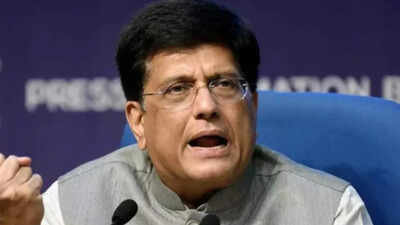
TOKYO: Amid concerns over some certification requirements, commerce and industry minister Piyush Goyal Tuesday said that BIS (Bureau of Indian Standards) and his ministry will work out a framework to support high-tech industries looking to make in India by exempting equipment used by them from some of the norms.“I have already instructed BIS and ministry of commerce and industry to work on a framework to support high tech industry, not necessarily only Japanese companies, to promote the Make in India programme to create a framework of exemption for BIS certification required for all the equipment and components that they need to bring to India. It’s a very logical step, given that companies that come to make high-quality semicon products are going to get high-quality products into the country. You are not going to compromise on quality even if it comes cheaper,” the minister said during a meeting with semiconductor and AI companies here.He said that exemptions can be provided either at company level or industry level. “We will find a solution for either bulk exemption, or product-based or company-based exemptions so that we can have timely supply of products and services so that we can support your work in India.”The minister also said that clarifications related to SEZ notification, which were flagged by some players, will also be looked at.He also said that govt is committed to making India a manufacturing base for electronics and semiconductors and offered to roll out the red carpet, including creating social infrastructure for Japanese companies and their expat employees.Goyal also met a bunch of portfolio investors, including MUFG, Development Bank of Japan (DBJ), Mizuho, Morgan Stanley, Nomura and Nippon Life. While reiterating their commitment to India, the investors sought easier processes for profit repatriation, improving access to Indian capital markets and ensuring greater regulatory predictability for long-term investors.During a meeting with Goyal, investors said long-term strategic outlook was positive on India, although they said that currency movements and certain policy issues may influence short-term investment decisions.