
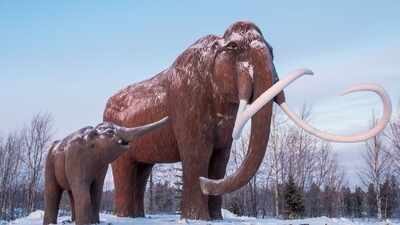
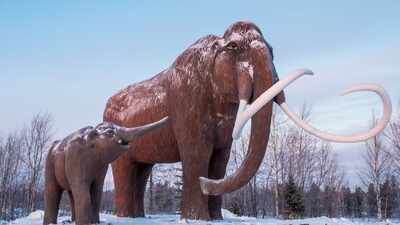
The idea of bringing woolly mammoths back to life sounds like something ripped out of science fiction, but scientists and a company called Colossal Biosciences are genuinely chasing it. For thousands of years, all we’ve had of mammoths are fossils, ancient DNA, and frozen carcasses. Now, researchers are hoping to combine genetic know-how, AI, and gene editing to produce a living, mammoth-like animal.Per the New York Post, Colossal originally said it could deliver a mammoth calf by 2028, but that goal has slipped. They’re now aiming for the early 2030s, mostly because recreating mammoth biology turned out to be much trickier than they first thought.However, it’s important to be clear that they aren’t building a mammoth from scratch. What they’re doing is proposing a genetically engineered Asian elephant with a handful of mammoth traits. The animal would still be mostly elephant, just with genes tweaked to be mammoth-like. That distinction sits at the heart of the ongoing debate about “de-extinction.” What does it really mean to bring something back?
How would you even try to resurrect an animal gone for thousands of years?
Well, the basic idea sounds simple; executing it is a whole other beast. Woolly mammoths (Mammuthus primigenius) are close cousins of modern Asian elephants. Scientists dig into the genomes of mammoth remains and compare them to those of living elephants, hunting for the genetic differences that gave mammoths their thick hair, small ears, fat stores, and cold resistance.Colossal plans to use gene-editing tools (mainly CRISPR) to splice selected mammoth genes into elephant cells. Those altered cells could then be used to create embryos that would develop with some mammoth traits. This is where AI and computational biology come in. Instead of just reading ancient DNA off a page, researchers use AI to sift through mountains of genetic information, pinpointing the genes and regulatory sequences that made mammoths thrive in Ice Age conditions.But mammoths weren’t the product of a handful of genes; their size, metabolism, cold resistance, and even behavior resulted from hundreds of genes interacting in complex ways. As research moved forward, the scale of the challenge became clear. Colossal first hoped they might only need about 60 genetic edits to shift an elephant’s cells toward “mammoth mode.” But now, it’s looking like they’ll need upwards of 150. The company is exploring genes linked to everything from their short tails and tiny ears to their thick coats and unique skin biology.They’ve even tested some of these edits in mice. In 2025, Colossal described engineering “woolly mice” packed with mammoth-like hair and fat traits. But let’s be honest: a furry rodent is miles from a six-ton Ice Age beast. Scientists outside the project have noted the same thing. Experiments in mice don’t automatically translate to elephants.
Will this actually produce a woolly mammoth?
Probably not, at least not in the strict scientific sense. Even if the project succeeds, the result will be an Asian elephant with some mammoth features; not a true Mammuthus primigenius. The genome is just one part of what makes an animal what it is. Its development, early-life environment, microbiome, learned behaviors, and the whole ecosystem of interaction matter, too.A 2025 Nature Biotechnology review argued animals produced this way would reflect both the genetics and environments of today’s elephants, rather than being exact copies of extinct species.
Why do all this?
Colossal says it’s bigger than just resurrecting a prehistoric spectacle. They see mammoths as “ecosystem engineers.” By grazing, trampling, and disturbing northern landscapes, mammoths helped shape cold-climate ecosystems. The argument is that maybe bringing back some mammoth traits could restore some of those lost ecological functions. There’s evidence that mammoths declined for several reasons, like climate change, habitat loss, and human hunting, with different factors playing different roles in various regions. But whether a mammoth-like elephant can actually duplicate those lost effects in today’s Arctic is still a mystery.That’s why Colossal’s timeline matters; it shows how tough and tricky this is. They dropped their 2028 target in favor of a not-so-specific “early 2030s.” The company still has to tackle some massive challenges: working with elephant cells, embryo development, assisted reproduction, and welfare concerns. Elephants gestate for nearly two years, so there’s zero room for rushing or repeated failed attempts. Furthermore, ethical issues loom, too. Creating genetically engineered elephants means real animals and possible failed pregnancies, so the risks and benefits have to be weighed carefully.
Are woolly mammoths *really* about to walk the earth again?
Not yet. And not in the sense of bringing back a perfect Ice Age mammoth. What’s happening is no less remarkable, though, as scientists are combining ancient DNA, AI, gene editing, and reproductive technology to transform living elephants, making them carry some of the biological signatures of an extinct giant.If they succeed in the next decade, it won’t mean the Ice Age is back. It’ll mean humans have crossed into new territory — no longer just studying extinction, but actively engineering what comes after.