


Oats have become the face of “healthy eating.” From quick breakfasts to late-night snacks, they show up everywhere. Nutrition labels praise their fibre, and fitness routines often start with a bowl of oatmeal. But the bigger question remains: do oats suit everyone equally well?Doctors say the answer is more layered than most people think. While oats offer clear benefits, they also come with downsides that rarely get discussed.
Why oats earned their ‘superfood’ tag
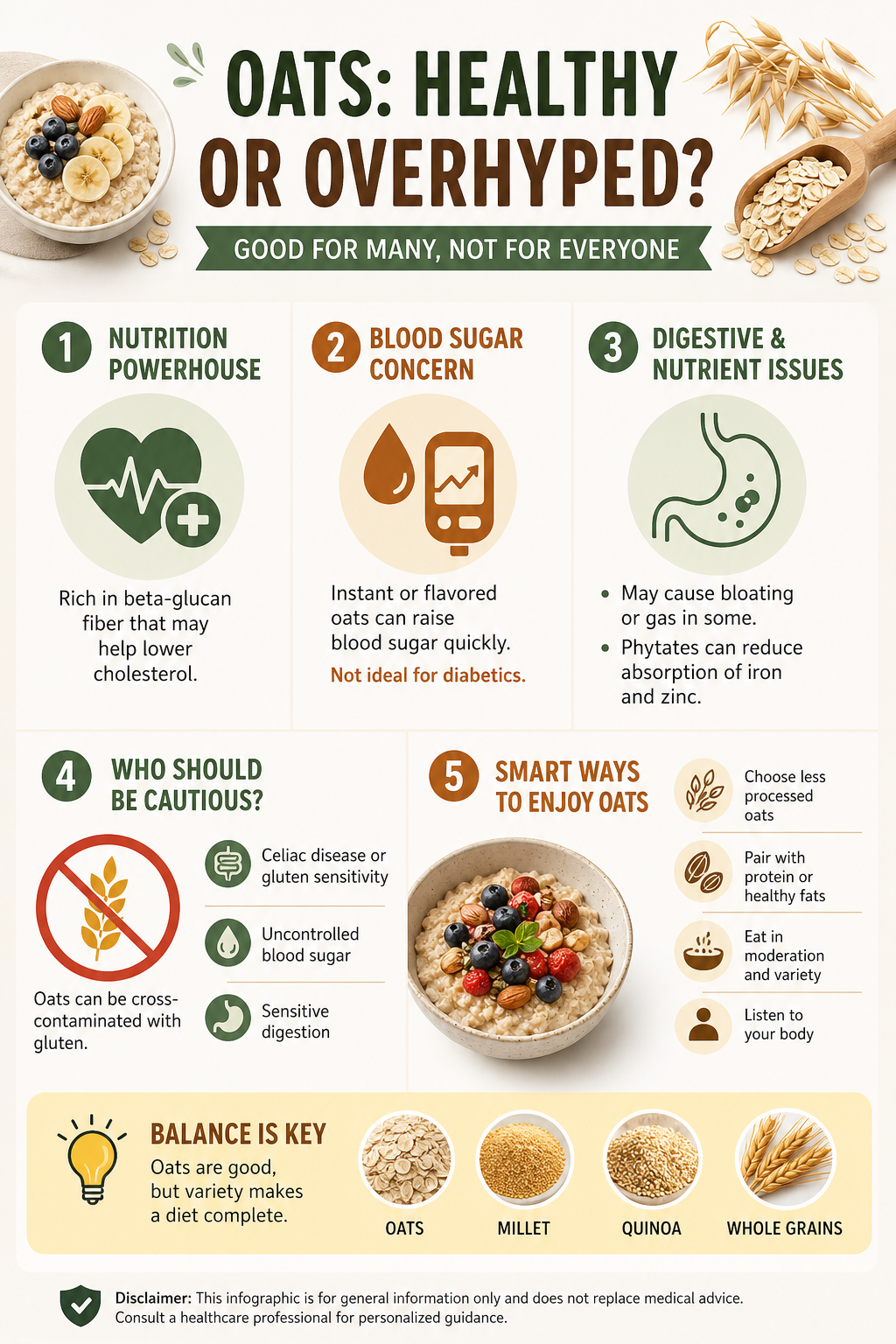
Oats are rich in a type of soluble fibre called beta-glucan. This fibre slows digestion and helps reduce cholesterol levels over time. That is one reason why oats are often recommended for heart health.Dr Alok Kumar Singh explains, “Because of beta-glucan that is known to reduce cholesterol. Nevertheless, the influence may depend on the form of consumption as well as personal sensitivity.”Research backs this up. A review published by the National Institutes of Health highlights that beta-glucan can help lower LDL cholesterol when consumed regularly.Nutrition expert Anshul Singh adds, “They have a lot of fiber, especially beta-glucan, which helps lower cholesterol, make digestion better and keep you full longer.”So yes, oats can be a smart addition to the diet, but only when chosen and eaten wisely.
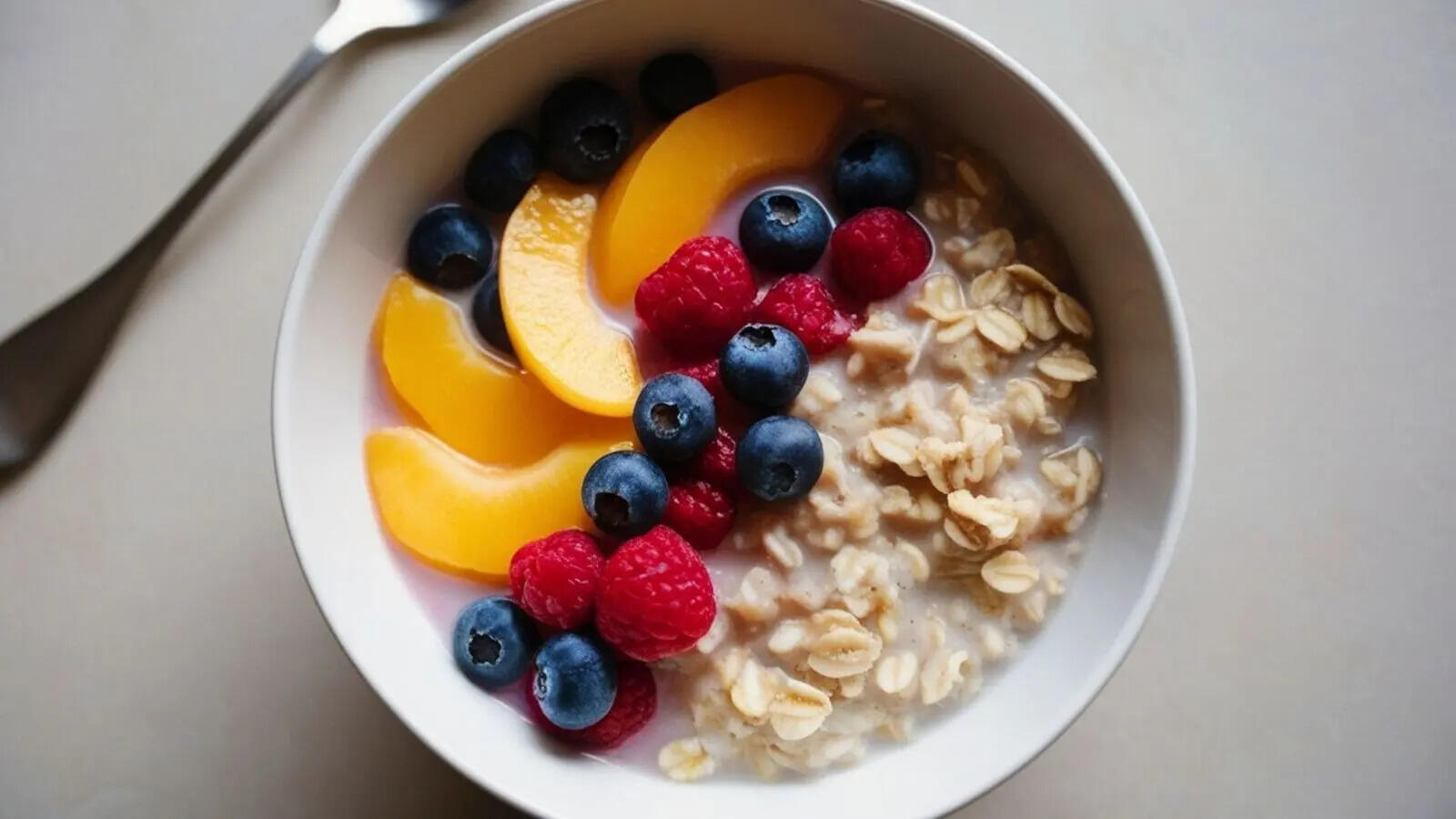
Instant oats may spike blood sugar, excess intake may affect digestion and mineral absorption, and some people need to avoid them due to gluten contamination.
The sugar spike problem no one talks about
Not all oats behave the same inside the body. The biggest difference lies in how processed they are.Instant oats break down quickly during digestion. This leads to a rapid rise in blood sugar levels. Dr Singh notes, “Instant oats being a bit more processed are fast to digest; thus, they can result in rapid increases in glucose.”Anshul Singh also points out, “Instant or flavored oats often have extra sugar and are heavily processed, which can quickly raise blood sugar levels.”For people managing diabetes or insulin resistance, this can be a real concern. Steel-cut or rolled oats are slower to digest and usually a better option.
Hidden digestive and nutrient concerns
Oats are high in fibre, and that is not always a smooth ride for everyone.Dr Singh mentions, “It is possible to mention a certain degree of digestive discomfort that some consumers experience due to the intake of oats.”Sudden intake of high-fibre foods can cause bloating, gas, or stomach cramps. This is common when oats are added too quickly to the diet.There is another lesser-known issue: phytates. These compounds can bind with minerals like iron and zinc, reducing their absorption over time. Anshul Singh explains, “Phytates are also found in oats… they can make it harder for your body to absorb important minerals.”This does not mean oats are harmful, but eating them in excess every day without variety may not be ideal.
A balanced, varied diet remains the safest approach.
Who should be cautious with oats?
Oats are naturally gluten-free, but that does not make them safe for everyone.Anshul Singh highlights an important concern: “Oats don’t have gluten in them but they are often processed in places that also handle wheat, which can lead to cross contamination.”This matters for people with celiac disease or gluten sensitivity. Even small traces of gluten can trigger symptoms.Other groups who should be careful include:
- People with sensitive digestion
- Those with uncontrolled blood sugar levels
- Individuals relying too heavily on oats as a single staple
- Balance matters more than labels.
So, should oats be eaten daily?
Oats can be part of a healthy routine, but they should not become the only go-to meal. Variety is still the backbone of good nutrition.Anshul Singh sums it up well: “Oats are good for you, but not everyone should eat them… Balance and personalization are more important than trends when it comes to food.”A practical approach works best:
- Choose less processed oats
- Pair them with protein or healthy fats
- Rotate with other grains like millets or quinoa
- Watch how the body responds over time
Food trends often promise simple answers, but the body rarely works that way.Medical experts consultedThis article includes expert inputs shared with TOI Health by:Dr Alok Kumar Singh, Sr. Consultant – Internal Medicine, Yatharth Hospital Noida.Anshul Singh, Team Lead, Clinical Nutrition & Dietetics, Artemis Hospitals.Inputs were used to explain whether oats are truly healthy for everyone, highlighting potential downsides and why some people should be cautious.