
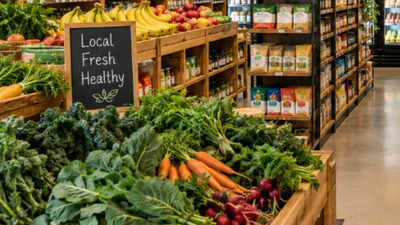
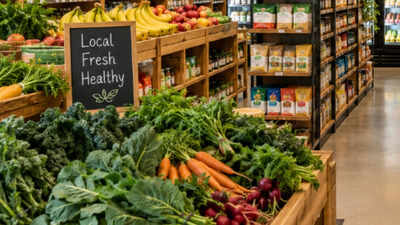
Residents of Fountain Heights in Birmingham, Alabama, have a grocery store in their neighbourhood for the first time in nearly 70 years. The We All Eat Market opened on November 7 after years of work by a local farming cooperative and community members.According to WVTM 13, for generations, residents had to travel outside the neighbourhood to buy groceries, including fresh food. The new market aims to make everyday shopping easier by bringing locally sourced produce and other essential items closer to their homes.The project was developed by Fountain Heights Farms Cooperative, which began in 2016 with the aim of building a sustainable local food system. What started with neighbourhood gardens gradually expanded into a network of urban farms. The cooperative later decided to use its farming activities to address the lack of a grocery store in the area.The market is part of the cooperative’s new Heart of the Farm facility at 1201 16th Street North. It brings together a grocery store and a community kitchen. Its opening was marked by a public celebration and ribbon-cutting ceremony on November 7.Christopher Gooden, co-founder of Fountain Heights Farms and manager of the We All Eat Market, said the idea came from conversations with residents about the absence of a grocery store.“We were farming and we heard the call that the neighbor said, there hasn’t been a grocery store in about 70 years, and we felt like we could do something about that because we can supply it with produce,” Gooden said.
How neighbourhood gardens led to a grocery store
Fountain Heights Farms Cooperative started in 2016 with a plan to create a more sustainable food system in the community. Its work began with neighbourhood gardens and has since grown into a network of 16 farm plots. The cooperative aims to expand this network to 119 plots by 2030.The organisation works to connect local farmers, food producers and consumers. It also wants residents to take part in the local food business rather than remain only customers.The idea of opening a grocery store gained support from residents who wanted easier access to fresh food. Gooden said the cooperative approached neighbours and invited them to contribute towards the project.People responded with small cash contributions. According to Gooden, residents handed over $1, $5, $10 and $20 notes directly from their cars. These contributions helped the organisers raise $30,000 in 2021.The money was used to begin a capital campaign aimed at raising $1 million to construct the building. The city of Birmingham also contributed $150,000 towards the project.The community’s early contributions helped demonstrate local support for the proposed store. After years of work, the cooperative was able to bring the project to completion.
What the new market will offer
The We All Eat Market will sell Alabama-grown produce, meat, eggs and everyday grocery items. The cooperative wants to give residents access to locally sourced food while also providing small farmers and food businesses with more opportunities to reach customers.The market is also expected to become part of a wider distribution system for local food producers. The cooperative plans to transition its community-supported agriculture programme, commonly known as CSA, into a delivery service called We All Eat Delivery.This will give customers another way to purchase locally sourced food. It will also help small farmers and food entrepreneurs reach more buyers.Affordability is another important part of the market’s plans. The store will accept Supplemental Nutrition Assistance Program benefits, known as SNAP or EBT. It will also participate in Auburn University’s Double Up Bucks programme, which gives eligible customers a 50% discount on certain produce.The cooperative wants to make fresh food accessible to households that might otherwise choose cheaper options at larger grocery stores. Larger retailers often have greater buying power and can negotiate prices that smaller independent businesses may struggle to match.At the same time, the market wants to pay local farmers and producers fairly while keeping its operations financially sustainable.Cooperative co-founder Dominique Villanueva said the organisation wants to offer affordable food that also supports the community’s health.Villanueva said the aim is to strike a balance between providing food people can afford and offering “food that nourishes our community and builds our health.”
Residents to have a stake in the local food system
The cooperative’s plans go beyond running a neighbourhood grocery store. It also wants residents to participate in ownership and benefit economically from the local food system.The market currently has three employees, while the farming operation employs five workers. The cooperative hopes its activities will create more opportunities as the business expands.However, setting up the store also involved practical challenges. The organisers had to deal with permits, local ordinances and regulations that were largely designed for traditional grocery retailers rather than urban farms.One example is the restriction on urban farms cutting and selling meat at their own premises.Despite these challenges, the cooperative has opened the market and hopes it will help more money spent on groceries remain within the neighbourhood. It also wants the store to become a place where residents can meet and local producers can find customers.Gooden said the community’s support had encouraged the team to continue its work.“It’s fuel to keep going. It’s a lot of hard work in farming. And what we also learn is in that hard work, you’re going to see people come and help. And more and more we see more and more help. And today is just a celebration of that,” he said.
A model residents want to expand
The opening has also raised hopes that similar markets could be established in other parts of Birmingham.A community member said the city needed more neighbourhood markets so residents would not have to travel far to buy groceries.“I just think that we need to open these types of markets all over the 99 neighborhoods and if not the 99 neighborhoods, the 23 communities need to have one,” the resident said.The We All Eat Market operates from Tuesday to Sunday and remains closed on Mondays for restocking.