
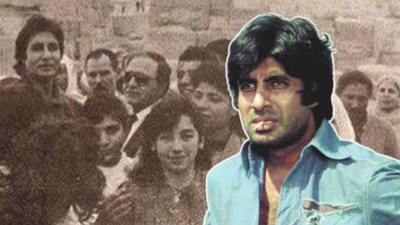
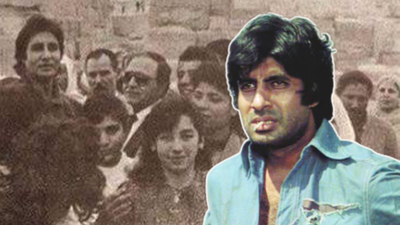
Amitabh Bachchan was so popular in Egypt that Bollywood films were restricted in 1987; when Big B arrived in Cairo in 1991, it triggered a ‘national crisis’ in the countryLong before the current social media driven world, Amitabh Bachchan had built a devoted following thousands of kilometres away from India. In Egypt, the popularity of his films became so striking that Indian cinema faced restrictions, while Big B himself later recalled that his arrival in Cairo in 1991 created a situation so chaotic that he described it as a “national crisis”.
When Indian films became a problem for Egypt’s film industry
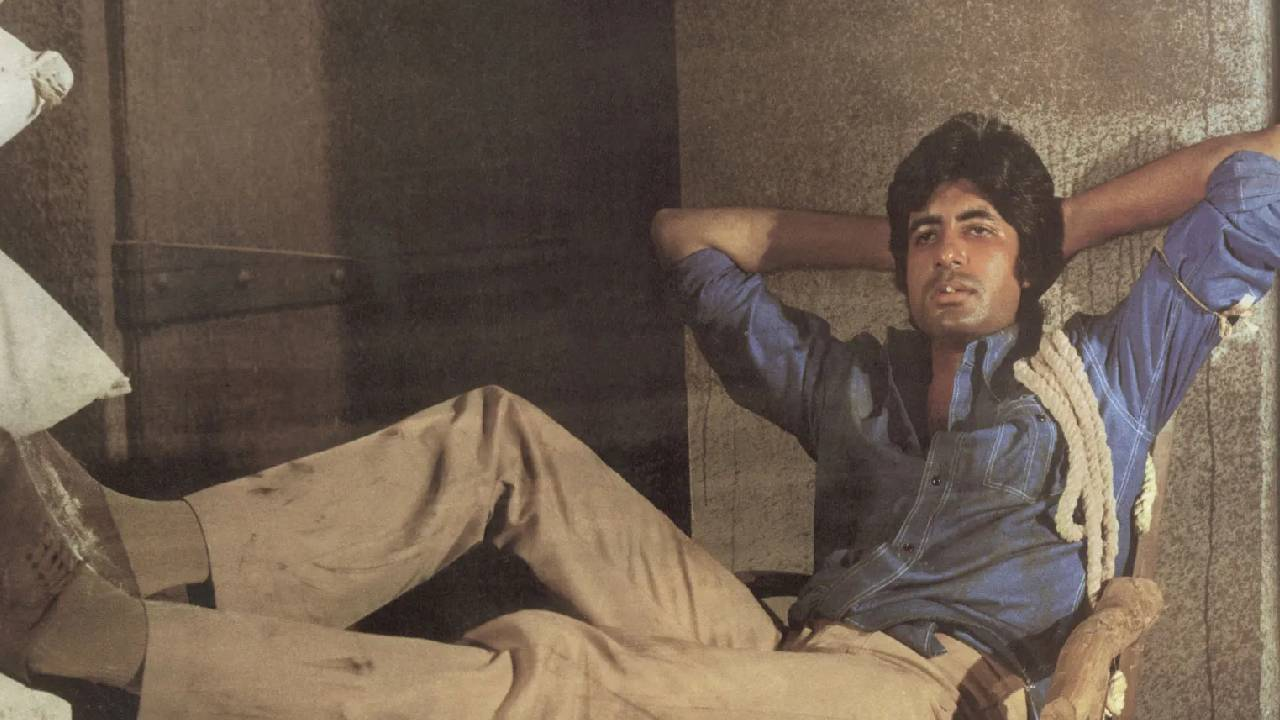
Amitabh’s ‘Angry Young Man’ persona had become globally popular at that time.
Indian films had found an audience in Egypt well before Bachchan became the face of Hindi cinema there. By the 1980s, however, the popularity of Hindi films had become a concern for Egypt’s domestic film industry. According to academic research on Cinema in Egypt, restrictions were imposed on the exhibition of Indian films as authorities sought to protect the local film industry from imported cinema.Bachchan’s popularity was a significant part of the phenomenon. His films, particularly Mard, had developed a cult following among Egyptian audiences. Bachchan himself later recalled the extraordinary run of Mard in Egypt. In a 2015 blog post, he wrote that he had been told the 1985 film had run for two years in Egypt, despite “strict rulings on exhibition of foreign films”.The film’s popularity was not restricted to Egypt’s elite. Reports about the actor’s following describe how his films and songs reached working-class audiences as well, even when access to cinemas and home video was limited.
Bachchan’s films found an audience even under restrictions
The restrictions did not mean that Egyptian audiences simply stopped watching Indian films. Reports have described Indian films being circulated outside the formal theatrical system, with Bachchan’s movies continuing to attract viewers. One particularly unusual example came from Egyptian filmmaker Mohamed Khan’s 1988 film Zawget Ragol Mohem. Accounts of Egyptian cinema have noted the use of footage from Bachchan’s ‘Geraftaar’ in the film, reflecting how familiar the Indian superstar had become to Egyptian audiences.There were also stories of fans gathering in cafes to hear or watch Bachchan’s films and songs. His songs became popular even though most listeners did not understand Hindi. This was not merely the fascination of a small group of film enthusiasts. Bachchan had become recognisable to a large section of Egyptian audiences.
Then came the 1991 airport chaos
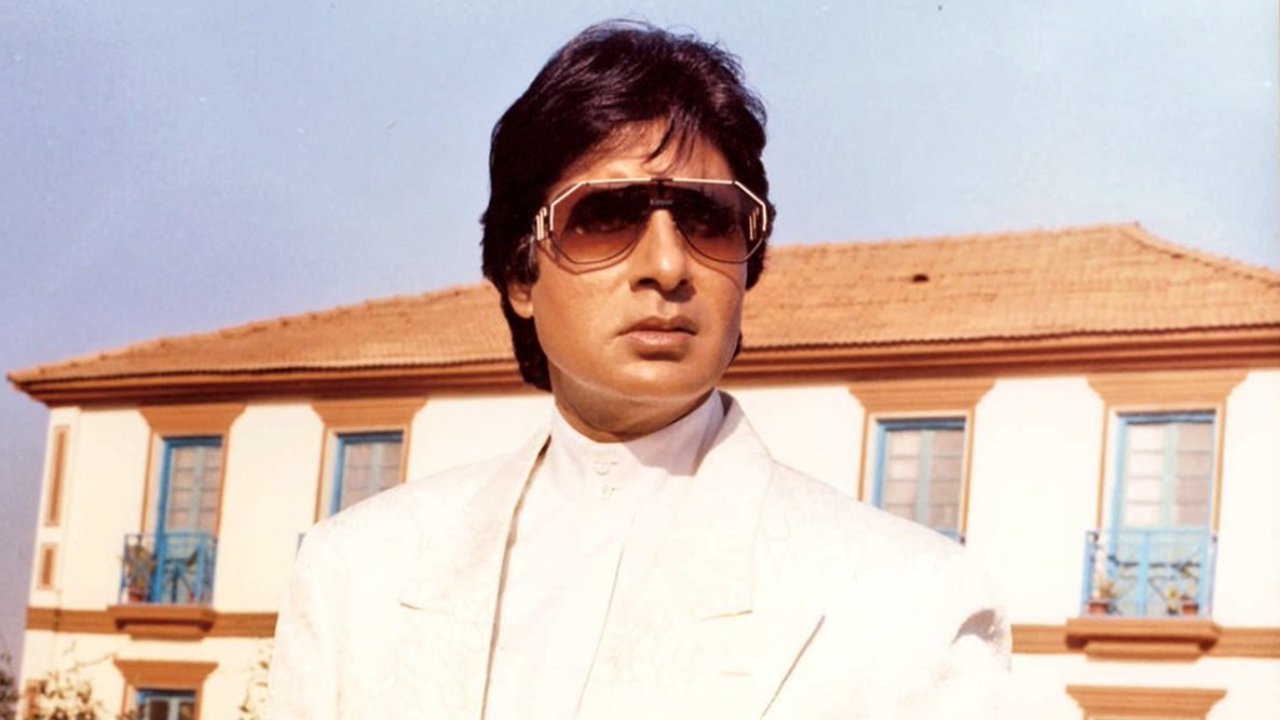
When he arrived in Cairo, fans gathered at the airport in numbers that caught authorities off guard.
The most extraordinary chapter came when Bachchan travelled to Egypt in December 1991. When he arrived in Cairo, fans gathered at the airport in numbers that caught authorities off guard. Bachchan later recalled the incident several times. In a 1995 interview with India Today, he described the crowd as “uncontrollable” and said there was a “national crisis”.The situation became so difficult that fans entered the customs area to get closer to him. His immigration and customs formalities could not be completed normally at the airport and were instead carried out at his hotel. Years later, Bachchan revisited the episode on his blog. In the 2015 post, he recalled that it was the first time he had experienced immigration, customs and passport formalities being conducted in his hotel room.The episode was remarkable because it happened at a time when there was no Instagram, YouTube or instant global fandom. Bachchan’s Egyptian following had been built largely through cinema, television, word of mouth and repeated screenings.
Why was Bachchan so popular in Egypt?
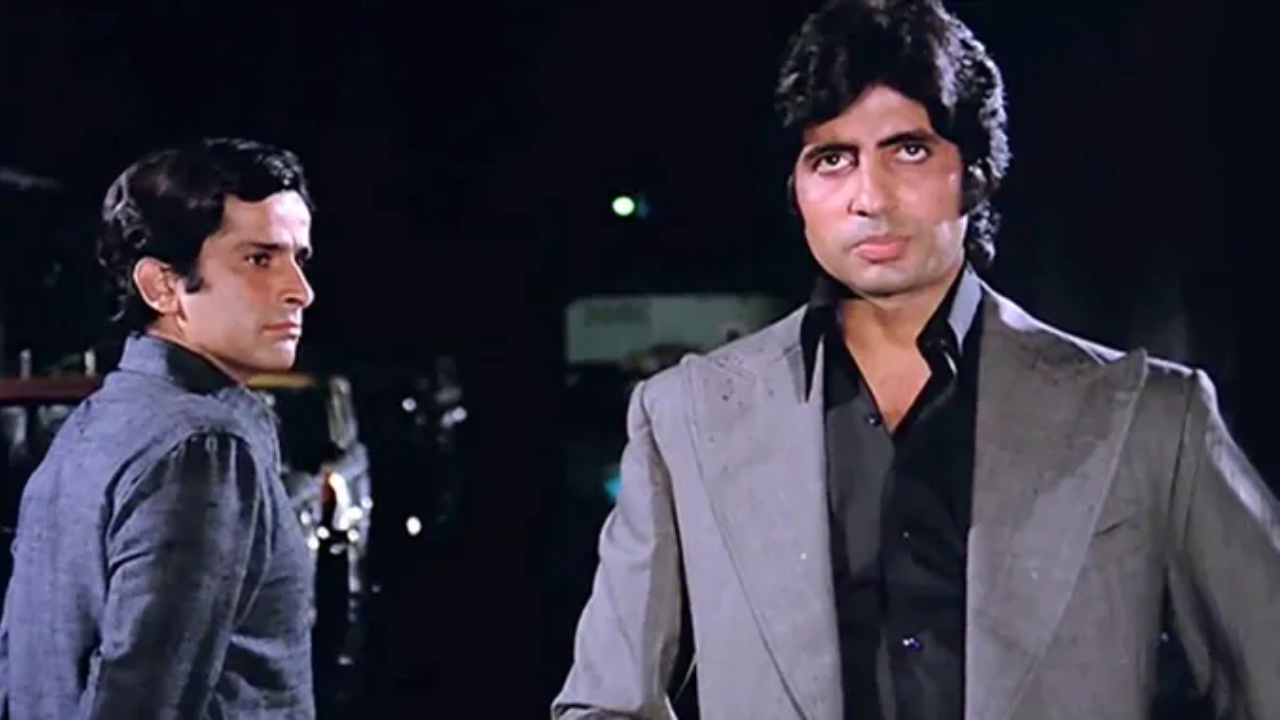
Amitabh and Shashi Kapoor in an iconic scene of the 1975 flick Deewaar.
Part of the answer lay in the kind of films that made him a superstar in India. Bachchan’s 1970s and 1980s films often centred on an angry, larger-than-life protagonist fighting injustice, corruption or powerful opponents. The combination of action, emotion, music and melodrama travelled surprisingly well across language barriers. Egyptian audiences did not need to understand every Hindi dialogue to understand Bachchan’s screen persona. His image also became unusually recognisable. For many viewers, the name Amitabh Bachchan itself was enough to signal a particular kind of Indian cinema. That popularity survived the restrictions placed on foreign films.
His songs became part of the fandom
The fascination extended beyond the films. Accounts of Bachchan’s popularity in Egypt have described fans memorising his songs without necessarily understanding their Hindi lyrics. His music circulated through cafes and informal viewing spaces, becoming part of the broader Bachchan phenomenon.As per News24 and various media reports, there are many stories of Egyptian fans watching Bachchan’s films outside the normal theatrical system because of the restrictions and the actor’s popularity.
From restrictions to an honor

In 2001, Egypt honored Amitabh Bachchan with the Actor of the Century award at the Alexandria International Film Festival.
The irony of the story became even clearer a decade later. In 2001, Egypt honored Amitabh Bachchan with the Actor of the Century award at the Alexandria International Film Festival. The recognition came years after Egyptian authorities had imposed restrictions on foreign films and after Bachchan’s popularity had become a subject of discussion within the country’s film circles.His relationship with Egypt also continued. Bachchan returned to the country in 2015 for the India by the Nile festival, where he once again spoke about the affection he had received from Egyptian audiences.Bachchan’s films were nevertheless caught up in those restrictions even as they developed an unusually strong following. And when the actor finally arrived in Cairo in 1991, the reaction from that audience was so overwhelming that Bachchan himself remembered it as a “national crisis”. For an actor whose biggest fan base was thousands of kilometres from home, it was one of the clearest signs of just how far his screen image had travelled.