
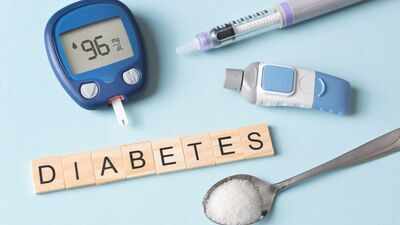
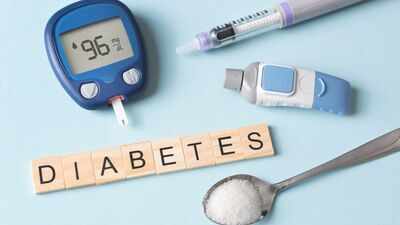
For most people suffering with Diabetes, keeping track of sugar levels is the first and foremost step towards managing Diabetes Mellitus. Interestingly, a study mentioned in the digital journal of ScienceDaily stated that continuous monitoring of glucose levels may have some surprising benefits for the kidneys. This happens because these small sensors attached to the skin not only measure blood sugar levels in real time, but as per the study, these devices might be doing more than just tracking and quietly help protect kidney health in people struggling with diabetes.Long-term observation of high-risk patientsAs per the report, the researchers conducted an observational comparative effectiveness study using electronic health records from Kaiser Permanente Northern California (KPNC), this was done to understand on how continuous glucose monitors affect people at high risk for complications. They followed patients with controlled type 2 diabetes over three years. The study found that those using glucose monitors had faster and more lasting improvements in blood sugar control. More importantly, these patients had lower levels of protein in their urine.This is a sign of better kidney function! The research team says this finding matters because protein in urine is one of the signs doctors use to spot kidney damage in people with diabetes. They also believe that with time the results could show even stronger protection of kidney function.A much larger study backs this upAs per another study presented by the 2025 American Diabetes Association Scientific Sessions, it looked at kidney outcomes in real-world data. Researchers from Dexcom studied health records from 65,839 adults with insulin-treated diabetes and chronic kidney disease. They compared 633 patients who started using a glucose monitor with more than 65,000 who didn’t. The study tracked kidney function over three years using measures.After adjusting for health issues and medicines, the results showed that starting a continuous glucose monitor was linked to a 14 percent lower risk of chronic kidney disease getting worse. It also led to kidney filtration rates compared to those who didn’t use the devices.Why better blood sugar control might protect the kidneysThe reason behind this benefit isn’t hard to understand. Diabetic kidney disease happens when high blood sugar levels slowly damage the blood vessels in the kidneys. These vessels filter waste from the blood. The researchers said the improvement in blood sugar control after using a glucose monitor is often as strong as what patients see when starting a new diabetes medicine. One researcher explained that when patients start a medicine without a monitor, they often have little idea how their blood sugar changes throughout the day. Continuous glucose monitors give real-time feedback. That helps patients make choices.Broader health benefits beyond the kidneysSupporting this trend, a separate study from Korea looked at over 8,000 people with type 1 diabetes. It found that people who used glucose monitors had a 57 percent lower risk of developing end-stage kidney disease than those who didn’t. They also had rates of heart disease and a much lower chance of dying from any cause.What does this mean?Together this growing body of research shows that continuous glucose monitors offer benefits that go far beyond daily blood sugar tracking. Experts believe in high-risk diabetes patients, especially those who have already shown signs of kidney disease, and could gain a lot from using these devices. This includes people who don’t use insulin. It’s a low-risk way to help protect long-term kidney health.