
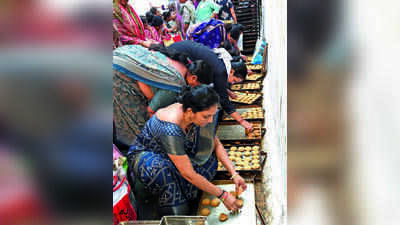
This Diwali, many Surtis are taking matters into their own hands, quite literally. They are bringing their own ghee, flour, dry fruits and mawa to local cooks and bakeries to get traditional favourites such as ghari and nankhatai made to their taste. The practice is also drawing attention amid concerns over food safety following statewide raids on units suspected of selling adulterated ghee and mawa. For many, it is a way of having control over what goes into the delicacies while continuing a long-standing tradition.Ankit Changawala, a professor at Veer Narmad South Gujarat University (VNSGU), said, “We buy ingredients such as dry fruits, mawa and ghee from our preferred shops and take them to cooks who specialise in making ghari. This way, we can choose what goes into it and have it prepared just the way we like it.”
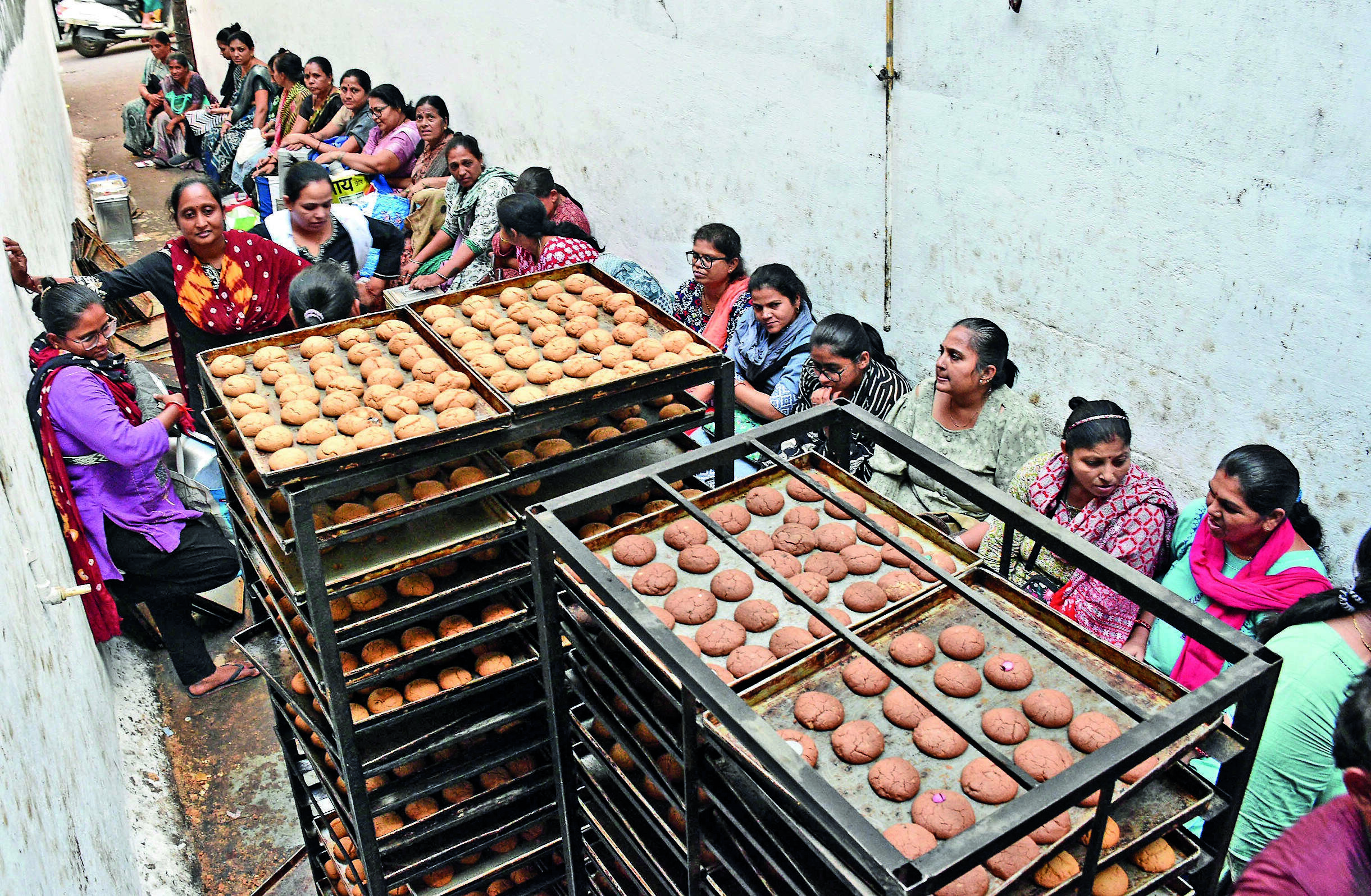
Customers wait for hours at this 120-year-old bakery in Surat to take home fresh nankhatais
At the 120-year-old Surat Bakery, around 500 customers arrive every day in the fortnight leading up to Diwali, many bringing their own flour and ghee to have nankhatai baked for their families.According to bakery owner Amish Biscuitwala, the practice goes back generations, with customers traditionally waiting at the shop while their biscuits were baked.“The fifth generation of our family is now running Surat Bakery, and many of our customers have been coming to us for years. Between Chandi Padvo and Diwali, they queue up with flour and ghee to get our famous nankhatai made for their families. We have a long tradition of baking the biscuits on the spot while customers wait. During Diwali, we cater to around 500 customers a day. Those who want different flavours also bring in cocoa powder, homemade ghee and other ingredients.”Ghari, too, is getting a makeover. Sweet makers in Surat are experimenting with new flavours, fillings and ingredients, hoping to make the traditional delicacy a hit with younger customers.Gaurang Sukhadiya, owner of S Motiram Sweets in Surat, said the shop has come up with a new variety of ghari called ‘Jantar Mantar’, inspired by the recent Gen Z protests in Delhi.
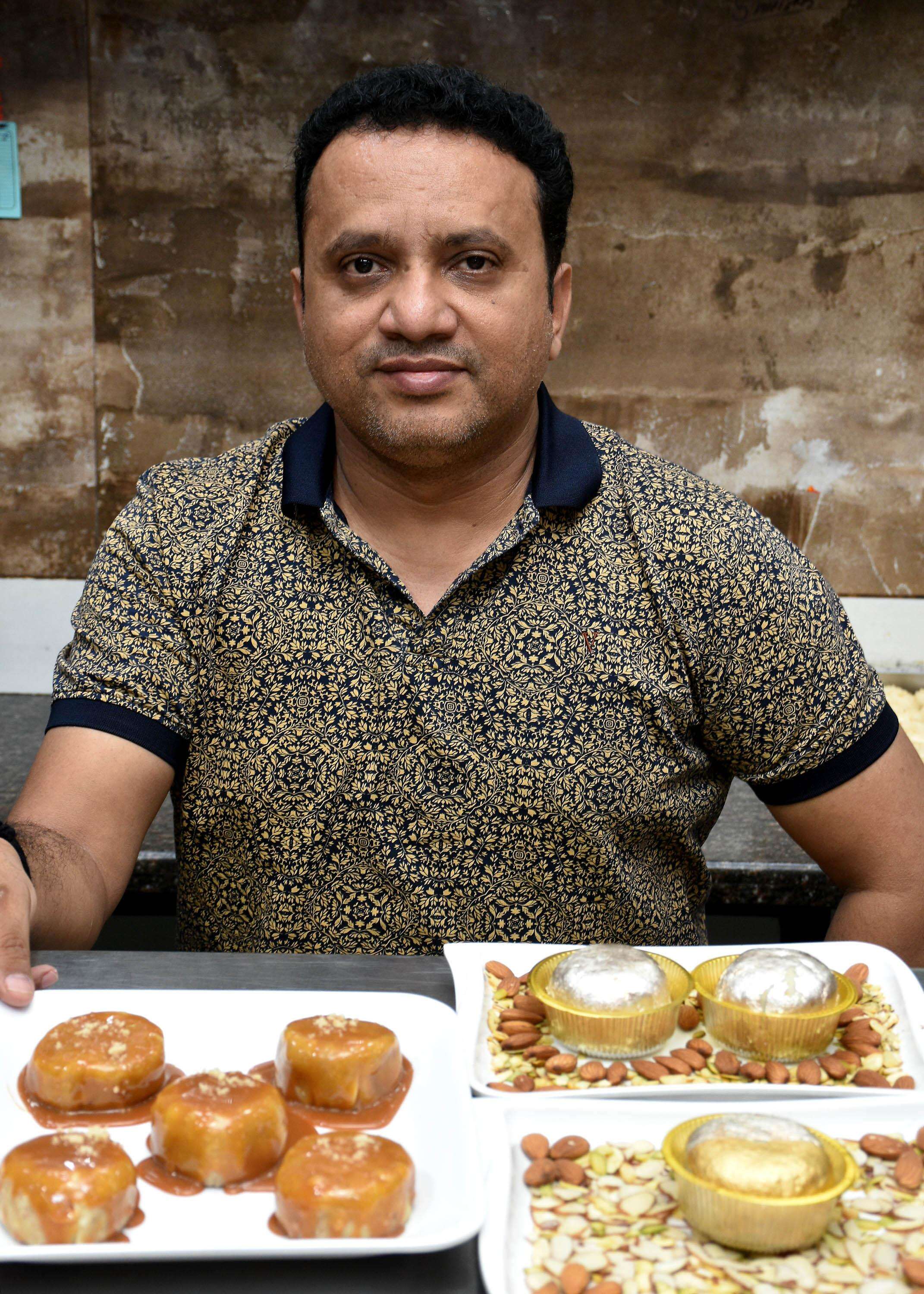
Jantar Mantar, Gen Z Bueno and Gen Z Caramel varieties of ghari are popular among young customers
“Jantar Mantar ghari, which costs Rs 1,200 per piece, combines two different flavours. We have also introduced Gen Z Bueno Ghari and another variant called Gen Z Caramel,” he said.The idea, he said, is to make ghari healthier and more appealing to younger consumers, who, he said, are moving away from the traditional sweet “because it contains large quantities of ghee, sugar, wheat flour and dry fruits”. The new varieties use a cashew-based covering instead of the usual wheat flour covering, with less sugar and fillings that include chocolate and hazelnut.And the experiments seem to be finding takers. Charchill Modi, a 25-year-old Surat businessman, said, “I really like the new ghari varieties with less ghee, especially the one with chocolate. I even sent some to my parents and sister, who live in US.”For Surat’s sweet makers, that growing interest among younger buyers offers a way to keep an old favourite on the menu, even as tastes change.